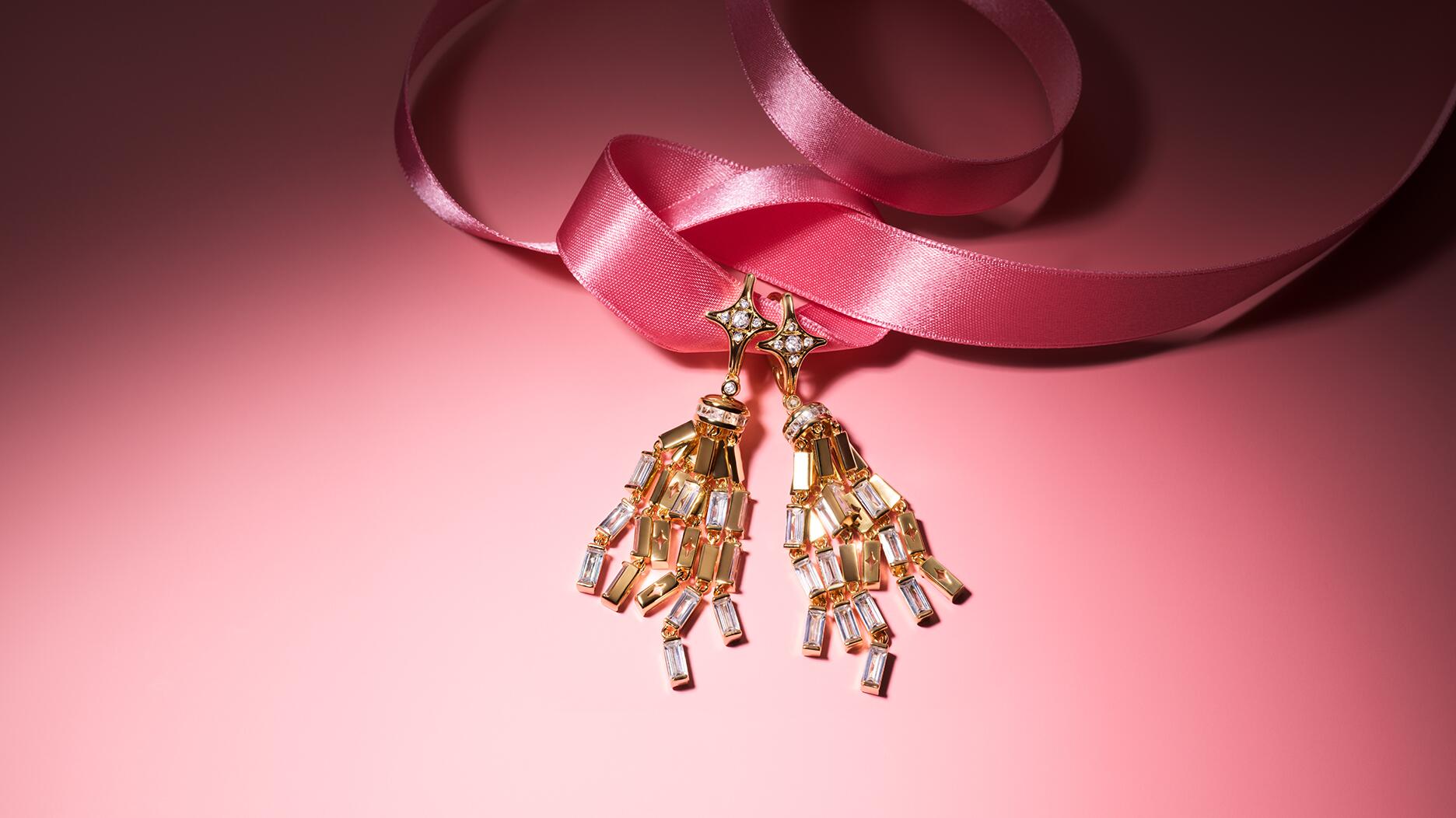
An urn on a shelf is one way to keep someone close. A diamond worn every day is another. Families can commission a laboratory-grown diamond using carbon recovered from a loved one’s cremated remains, or from hair saved before cremation. Companies also offer the service for pets, giving someone who has lost a cat or dog a possible keepsake for a ring, pendant or other piece of jewelry.
The idea has a real scientific foundation: diamond is crystalline carbon. The important questions are how much usable carbon a particular sample contains, what else the manufacturer adds and how the material is tracked from the family’s hands to the finished stone. Those details deserve as much attention as the sparkle.
From the urn to the growth chamber
GIA describes diamond as a material made almost entirely of carbon, with its properties determined by the arrangement of those atoms. Graphite is carbon too, but its different structure produces a very different material. Growing a diamond means creating the right crystal structure, not simply squeezing a bag of ashes into a gemstone.
Memorial-diamond companies typically describe a process of analyzing the supplied material, extracting and purifying its carbon, growing a crystal, then cutting and polishing it. In the high-pressure, high-temperature method, or HPHT, a carbon source and a small diamond seed are placed in specialized equipment. GIA explains that conventional HPHT growth uses temperatures around 1,300 to 1,600°C and pressures exceeding 870,000 pounds per square inch. Carbon moves through a metal flux and crystallizes on the seed.
Heat and pressure describe that method, but not every laboratory-grown diamond is made the same way. Chemical vapor deposition, or CVD, grows diamond from carbon-containing gas in a lower-pressure chamber. Both produce laboratory-grown diamond. A memorial diamond’s personal significance comes from its documented connection to the submitted material, rather than a separate category of gemstone.
Burning does not leave pure carbon
“Almost anything can be burned into a diamond” skips a crucial step. Burning a carbon-containing material can send much of its carbon into the air as carbon dioxide. The remaining ash is not automatically a useful supply of pure carbon.
McGill University’s Office for Science and Society explains that cremated remains are largely processed bone minerals. Much of the body’s carbon leaves during cremation, but some can remain in carbonate within those minerals. That makes the blanket claim that cremation removes every trace of carbon incorrect. It also makes testing the actual sample important.
ALGORDANZA acknowledges that some remains contain too little carbon for its process and may require a second meaningful source. Its FAQ also explains that cremation samples can include carbon associated with clothing or a coffin, which it cannot separate according to origin. Carbon recovered from a submitted urn therefore should not automatically be described as carbon exclusively from the person’s body.
Do not burn, chemically treat or otherwise prepare irreplaceable remains yourself. Ask the selected provider for its collection instructions and keep a portion safely reserved if possible.
Hair, fur and the things a person leaves behind
Hair and fur provide another route, including for people and animals who are still alive. A saved lock from a grandmother’s hairbrush, a child’s first haircut or fur collected while brushing a pet can carry a personal connection without requiring cremation.
That is the appeal behind Rurusama’s Instagram collaboration with Together Diamonds, which introduces a project using her hair and her cat’s fur. In the supplied video still, she holds up the collected material. The example extends the conversation beyond mourning: people also commission these stones to celebrate a relationship while everyone is still here.
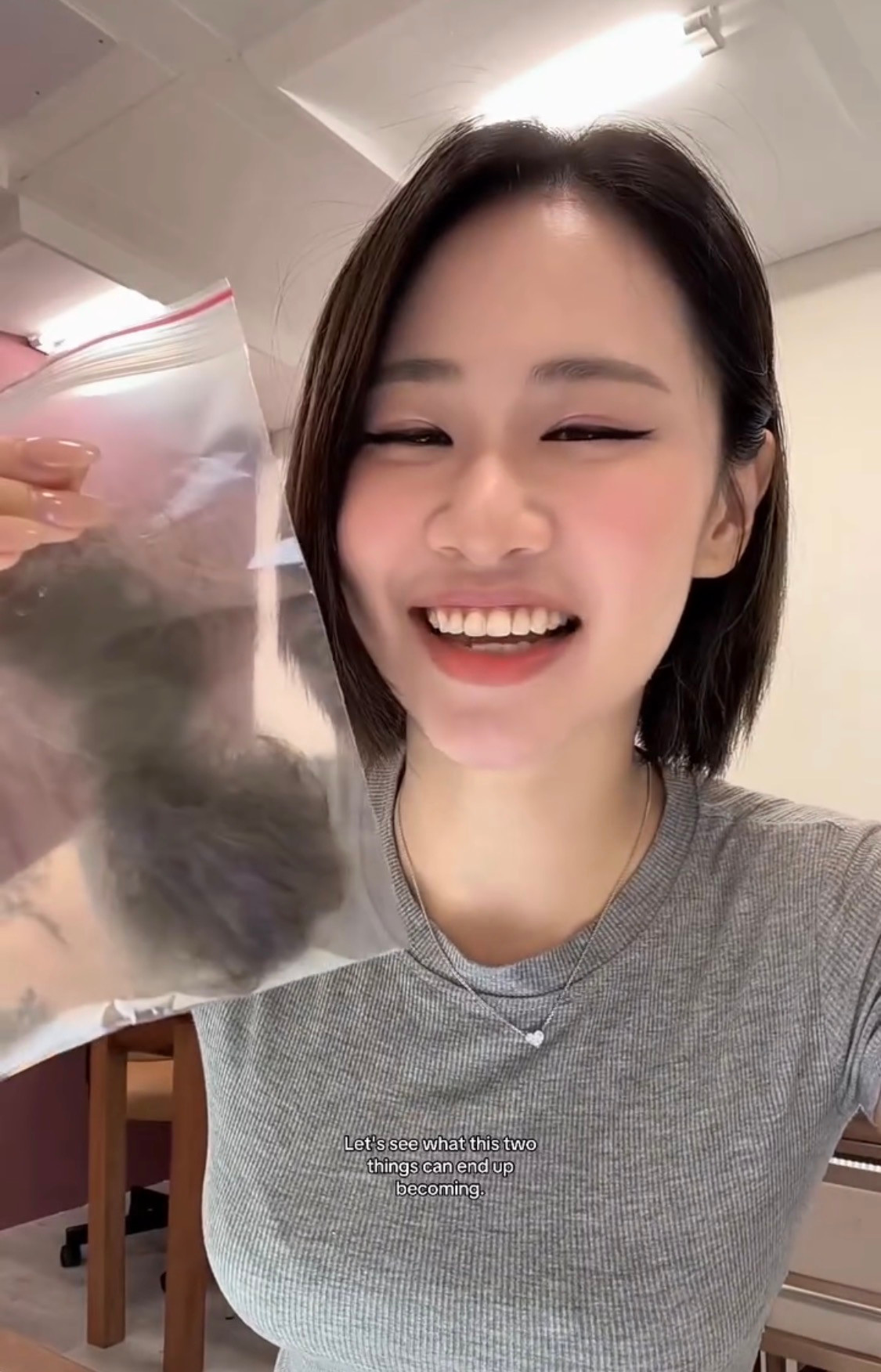
Together Diamonds says customers can combine hair, fur or ashes, including their own hair with a loved one’s sample. The company advertises a three-month delivery period; that is its stated service timeline, not a universal diamond-growing deadline or independently verified result for this particular order.
Other carbon-containing keepsakes may be options. Eterneva lists dried flowers, letters and cotton clothing among materials it can use. Ask before sending anything unique or irreplaceable, because extraction consumes material.
The distinction is carbon-containing versus carbon-free, not simply organic versus inorganic. Hair and plant-based keepsakes contain organic carbon compounds. Graphite is an inorganic form of carbon used in diamond growth, and carbonate in bone minerals is another inorganic carbon-containing material. Glass, metal or ordinary sand does not become a diamond merely because it is heated. A laboratory needs a suitable carbon feedstock and a process that can recover and purify it. A scientifically possible source is also not necessarily one a consumer service accepts.
What does a memorial diamond cost?
Expect a custom service rather than an off-the-shelf laboratory-grown diamond price. Published examples checked November 7, 2026 show why size, finishing and package details matter:
- LifeGem: Its current store lists a colorless or blue 0.10 to 0.19 carat diamond at US$1,999, and 0.20 to 0.29 carats at US$2,399. A colorless 0.50 to 0.69 carat option is US$5,599. Settings are explicitly excluded. Its FAQ gives a typical production period of about six months.
- Eterneva: Its FAQ lists a starting price of US$3,499 for 0.25 carat. Size, cut and color affect the quote and timing. Get the selected diamond, setting, independent report, taxes and delivery charges itemized before paying.
- ALGORDANZA: Its current corporate FAQ advertises an American starting price of US$2,999 for a 0.30-carat rough diamond. Rough means uncut, so it is not directly comparable with a polished stone ready for a setting. Carbon source, size and cut affect the final price; confirm that the quoted package covers your intended ashes or hair. The stated production period is about four to eight months, sometimes longer.
- Together Diamonds: The Singapore catalog, displayed in Singapore dollars when checked, advertises shapes from S$1,588. Its FAQ separates the diamond from the jewelry setting. Confirm the carat option, currency, international delivery and full landed cost rather than treating that figure as a U.S.-dollar quote.
These are different products and packages, not a ranking of equivalent diamonds. Request a dated written quote. Ask what happens if growth must be repeated, whether a promised delivery date is guaranteed and which payments are refundable. A small starter kit price is not the price of the finished diamond.
How much of the diamond comes from your loved one?
This is the question to ask before placing an order. Eterneva’s own process description says it combines the loved one’s carbon with generic carbon and a microscopic diamond seed. Do not assume every provider promises a stone grown solely from the submitted sample, or that every company follows the same method.
A gemological report and a chain-of-custody record answer different questions. GIA explains that it issues reports, not certificates, describing a stone’s characteristics. A report identifying a laboratory-grown diamond is not, by itself, proof that its carbon came from a particular person or pet. Ask for the provider’s sample analysis, identification and tracking procedures, disclosure of every added carbon source, and an explanation of any claimed independent provenance test.
The FTC’s jewelry guidance also matters: laboratory-created stones must be clearly distinguished from mined stones. “Memorial” describes the purpose of the jewel; “laboratory-grown” describes its origin. Neither a sentimental name nor a grading report should be used to imply more than the evidence establishes.
A keepsake chosen with open eyes
You may want a diamond to remember your grandmother, a partner or the cat who spent years beside you. You may prefer to combine family hair into one stone while everyone is alive. Those are personal choices, and the right provider should make room for both the emotion and the questions.
Before entrusting anyone with the material, do your own research. Compare the written carbon-source policy, the handling of unused remains, the full price and the documentation you will receive. A meaningful jewel does not need an exaggerated scientific promise. Its lasting value begins with knowing what you are choosing and whom you are trusting to make it.