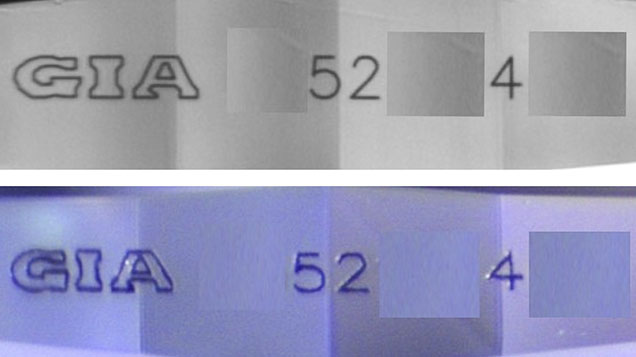
A natural diamond submitted to GIA’s Mumbai laboratory carried a fraudulent inscription matching another diamond’s report number, according to a new GIA laboratory note.
The case challenges a dangerous shortcut in buying jewelry: treating a familiar laboratory name and an engraved number as complete proof of identity. GIA found differences in the stone’s weight, measurements and clarity plot. Its Match iD comparison also rejected the inscription. The institute said the motivation behind this particular attempt remains unclear.
For consumers, the lesson is to match the actual diamond to its documentation. A legitimate number can still be placed on the wrong stone. Ask the jeweler to explain how the diamond was matched to the report, and seek independent examination when a transaction raises concerns.
One wording distinction matters. GIA says it issues reports, not certificates, and does not certify or appraise the materials it analyzes. A seller’s “GIA certified” phrase should not substitute for the actual report or a careful identity check.
Use GIA Report Check to consult the laboratory’s record, then have a qualified professional compare that record with the stone itself. Do your own research before paying. The number is a starting point for verification, not the end of it.