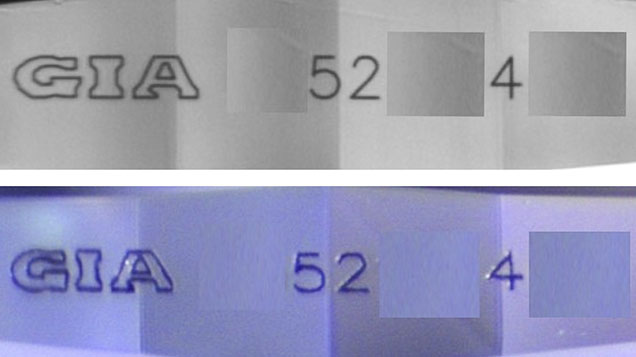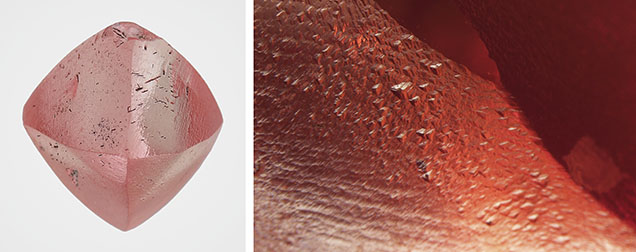
GIA examined a 6.06-carat pink laboratory-grown diamond shaped and surface-treated to resemble natural rough, according to a Fall 2026 laboratory note. Its appearance suggested a natural crystal. Testing established that it had been grown by chemical vapor deposition, or CVD.
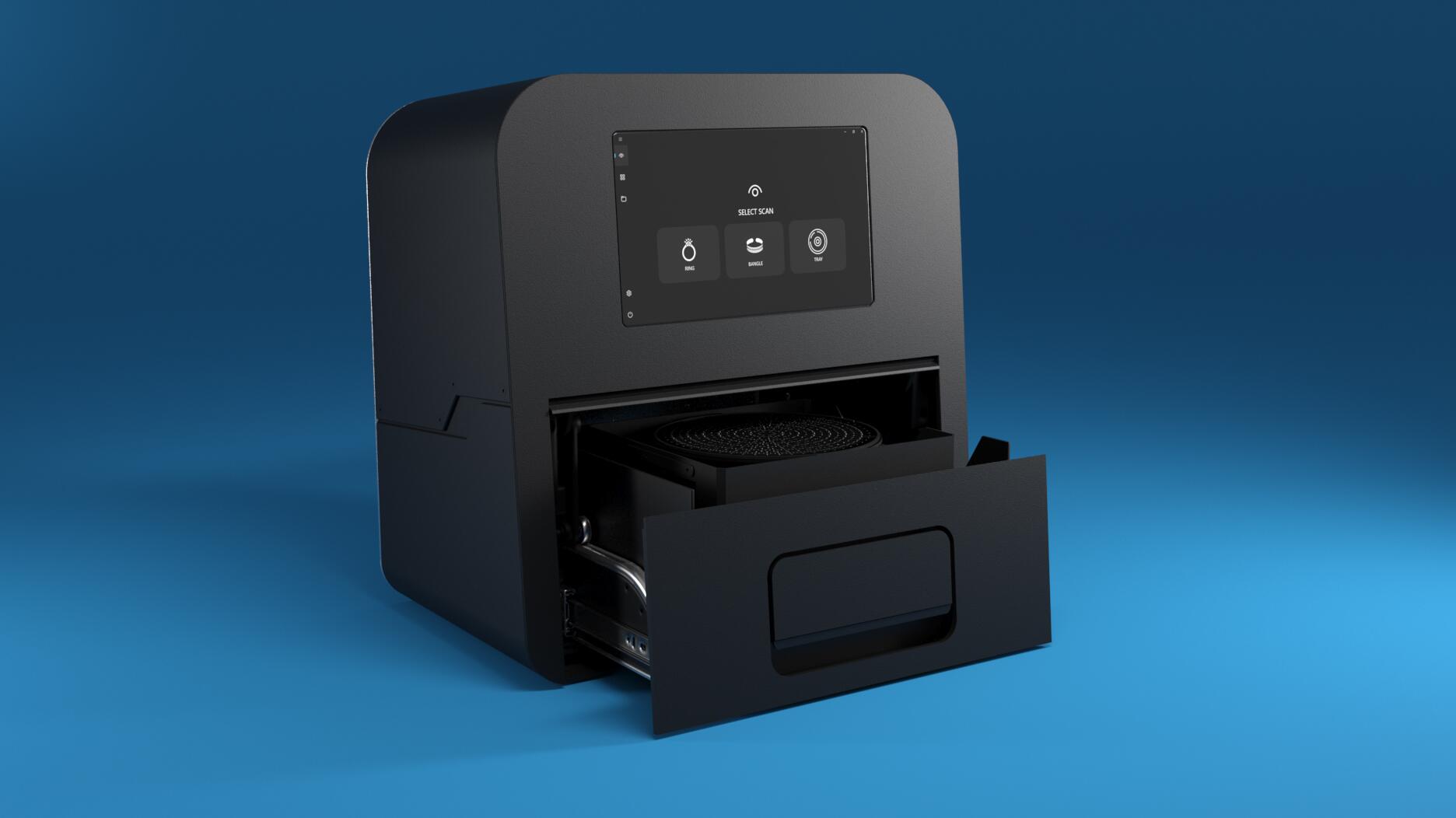
The laboratory used spectroscopy and DiamondView imaging to establish the stone’s origin and identify treatment. The case makes the consumer lesson unusually clear: a surface that looks natural can be manufactured. Appearance alone is not a reliable basis for a confident origin claim.
CVD describes a growth process, not an imitation material. GIA explains that carbon-containing gas is used to grow diamond on a seed in a chamber. Laboratory-grown diamonds have chemical and physical properties very close to natural diamonds; cubic zirconia and moissanite are different materials.
That similarity is precisely why identification matters. Some diagnostic features can be recognized with gemological equipment, while other cases require advanced laboratory instruments. A confident opinion across a room cannot replace the examination appropriate to the stone.
For sellers, accurate disclosure is essential. The Federal Trade Commission’s jewelry guidance warns against advertising that implies a laboratory-created diamond was mined. For buyers, ask for clear origin disclosure and documentation, and do your own research before accepting a claim based only on how a diamond looks.