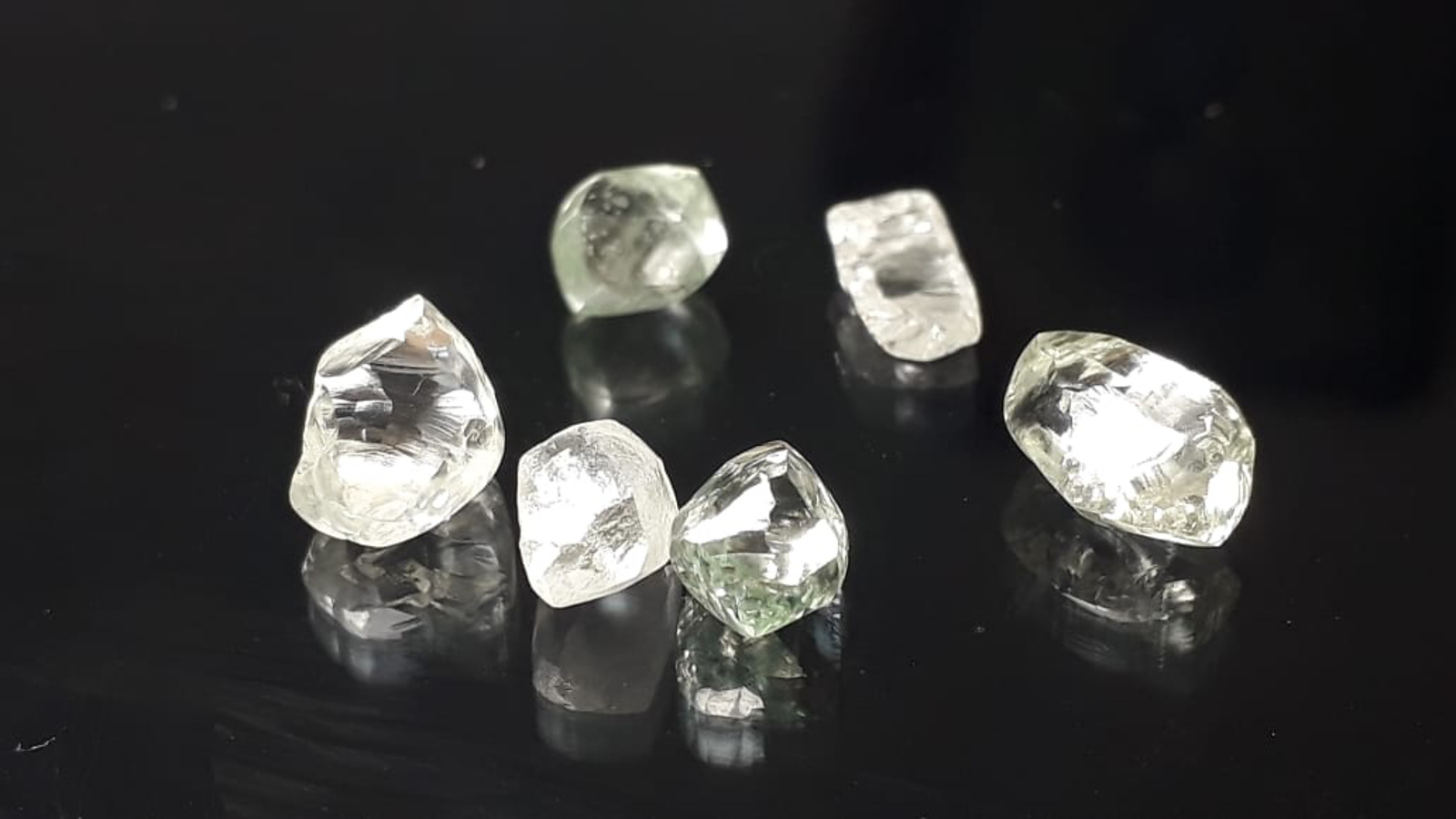
Alex Moss is successful. He has celebrity clients. None of that turns a naked-eye guess into a gemological identification.
In a Complex Style interview, Moss said he was surprised people could not tell laboratory-grown diamonds from natural diamonds. He described some jewelry as looking “like a bunch of plastic” and rejected comparing the two origins as though “the Nissan is the same as the Ferrari.” He also claimed that a one-carat laboratory-grown diamond could cost him about $80 while a jeweler might sell it for $1,500.
Those comments mix three separate subjects: appearance, origin and price. They do not prove one another. A low wholesale price does not make a diamond plastic. A high retail price does not make a diamond natural. And sparkle viewed across a room is not an origin test.
Watch the Complex Style reel that prompted this fact-check.
Why Miss Diggs Is Qualified to Make This Challenge
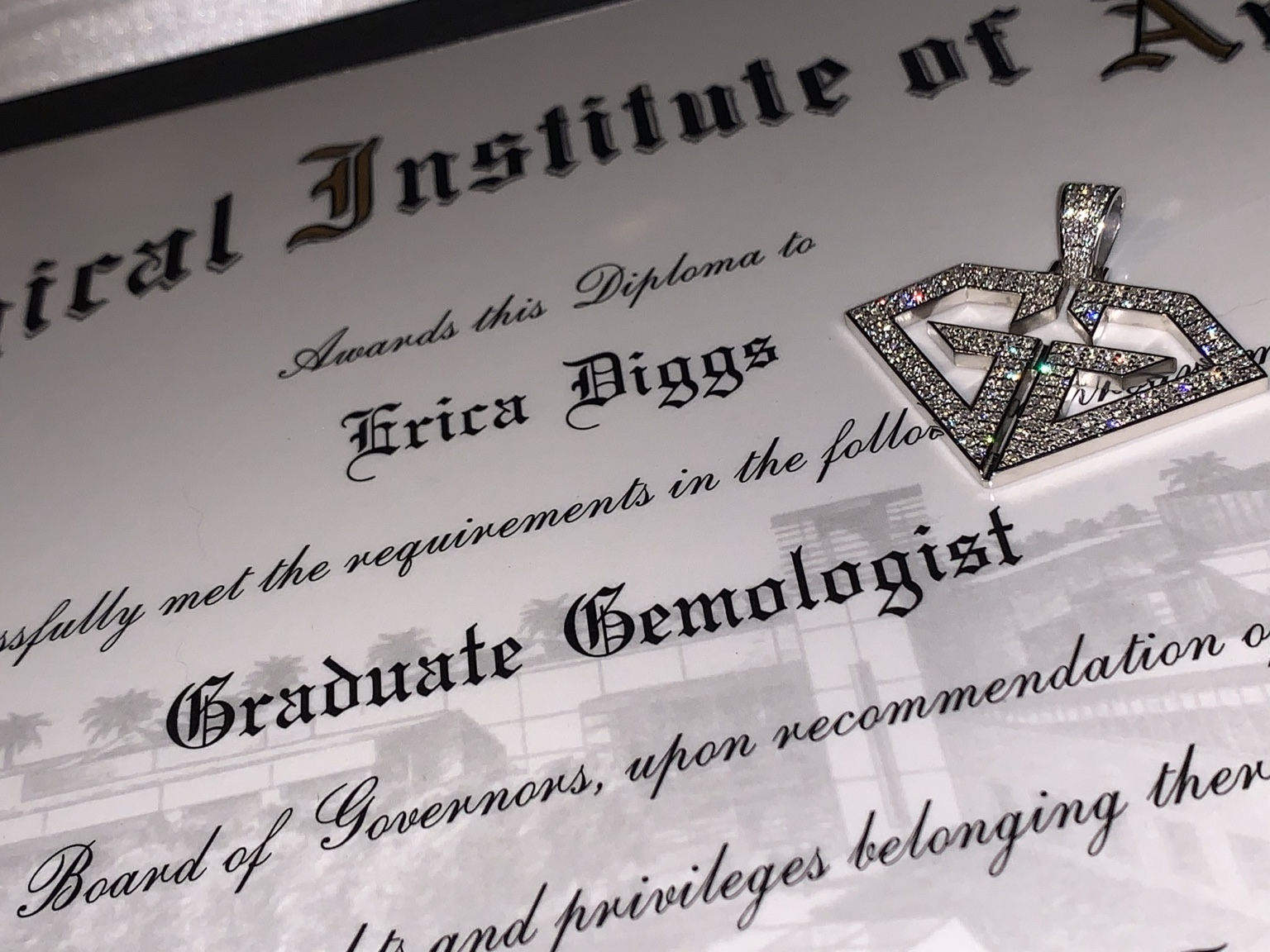
Photograph courtesy of Miss Diggs.
Erica “Miss Diggs” Diggs is a GIA Graduate Gemologist and trained jewelry professional whose education extends beyond diamond theory. She earned her Graduate Gemologist credential from the Gemological Institute of America in 2019 and completed GIA’s Jewelry Design Technology program in 2021, covering CAD design and jewelry manufacturing. She also earned a Diamond Setting Certification from the Jewelry Institute of America in 2020 and a Bench Jeweler Certification from Studio Jewelers Ltd. in 2013.
Her technical training and professional experience include diamond grading, gemstone identification, precious-metal properties, appraisal and market valuation, CAD design, lost-wax casting, 3D printing, diamond setting and jewelry-production management. She has worked in custom jewelry since 2011 and has conducted professional appraisals and consumer education involving diamonds, gemstones, watches and fine jewelry.
This background does not make her opinion more important than laboratory evidence. It explains why her position begins with GIA’s published identification standards instead of sales rhetoric or a naked-eye guess.
A jeweler can have strong preferences. A retailer can warn shoppers about pricing, resale and disclosure. But when a public figure tells consumers that origin is visually obvious across a room, the claim has to be tested against gemological science.
What GIA Actually Says
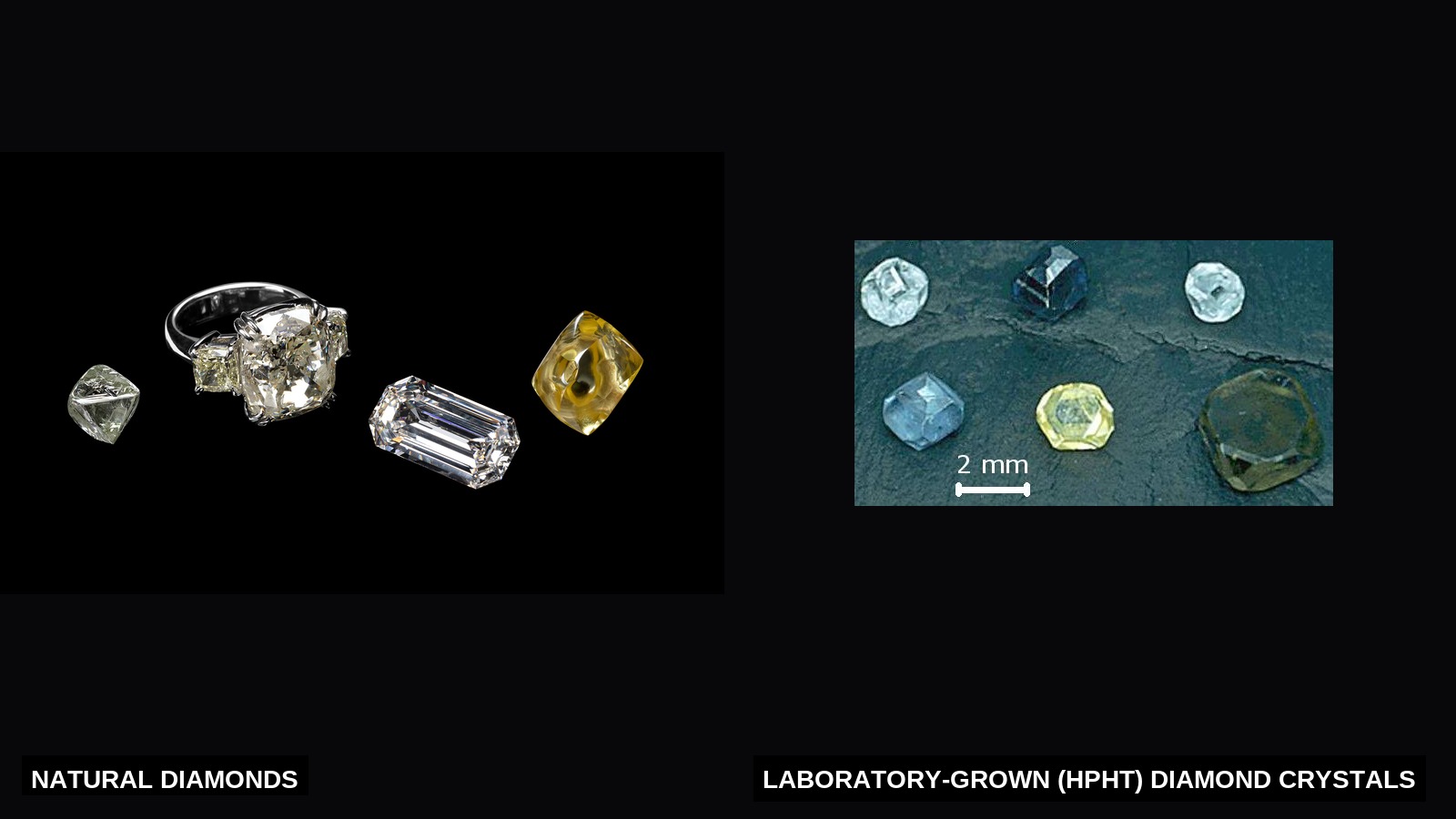
The Gemological Institute of America says laboratory-grown diamonds have essentially the same chemical, physical and optical properties as natural diamonds. Both are diamonds. Their principal difference is origin: one formed in the earth, while the other was grown through a manufacturing process.
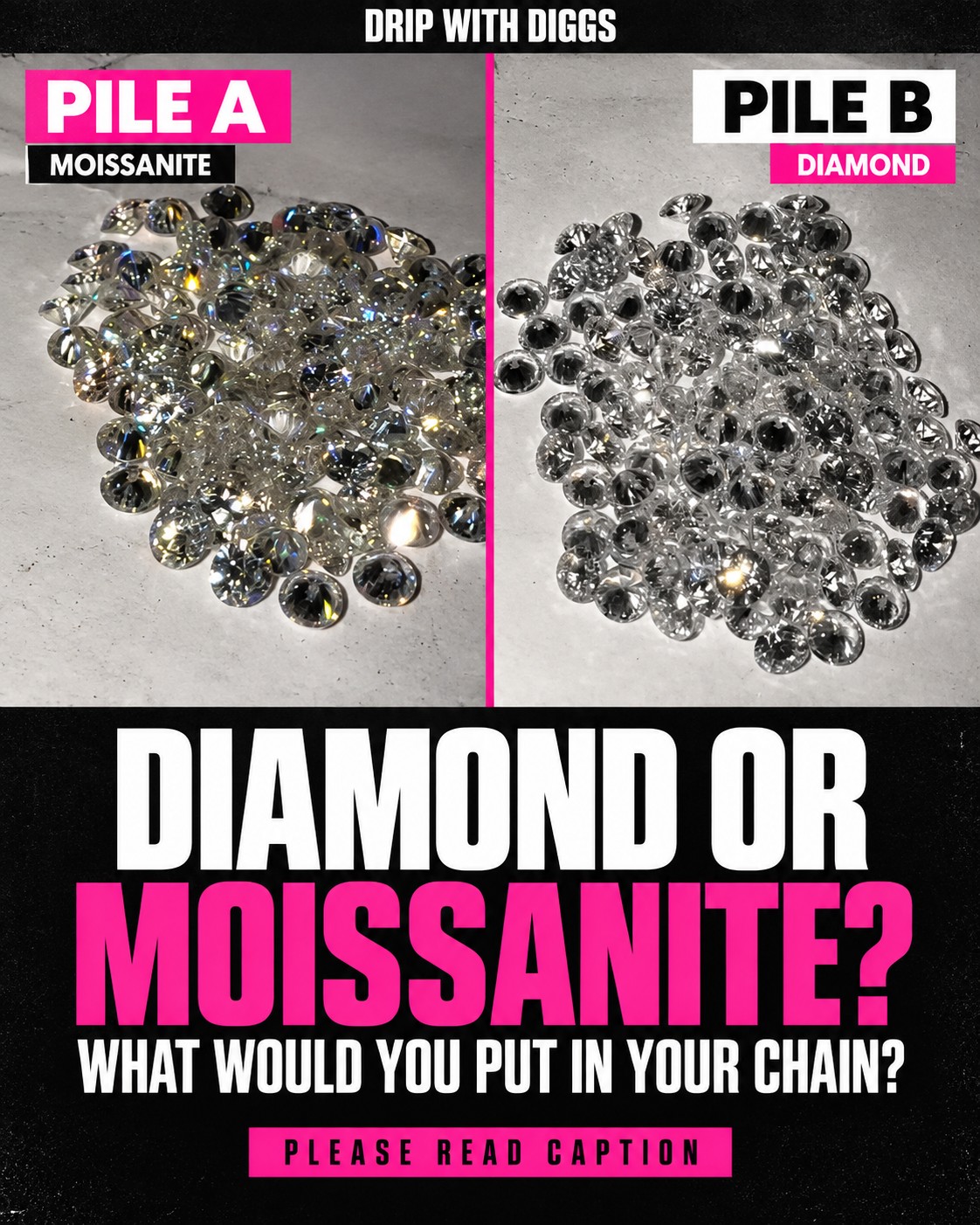
Moissanite is different. Cubic zirconia is different. Those are diamond simulants. A laboratory-grown diamond is not moissanite, cubic zirconia or plastic.
Natural and laboratory-grown diamonds can differ in trace elements, growth structures, fluorescence patterns, phosphorescence and certain inclusions. Those features can help trained laboratories determine origin. That is why GIA uses specialized observation, fluorescence imaging, spectroscopy and screening instruments, and why devices such as the GIA iD100 exist.
If origin were reliably visible from across a room, the industry would not need professional laboratory analysis or sophisticated screening equipment.
“It Looks Like Plastic” Is Not Gemology
A diamond’s visible performance depends heavily on cut quality. GIA identifies brightness, fire and scintillation as components of diamond appearance. Color, clarity, proportions, polish, symmetry, lighting, setting style and cleanliness also affect what the eye and a camera record.
A poorly cut natural diamond can look dull. A well-cut laboratory-grown diamond can look brilliant. Either one can look lifeless when covered in oil, lotion, soap residue or dirt.
So if jewelry looks cloudy or “plastic” from across a room, that observation does not establish origin. It could reflect cut, quality, lighting, camera compression, setting, maintenance or simply a dirty piece of jewelry.
Moss’s price argument does not rescue the visual claim. Laboratory-grown diamond prices have fallen sharply, and retailers may apply significant markups. Those are legitimate consumer issues. But price is an economic fact, not a gemological identification method.
“Too Perfect” May Raise Suspicion. It Does Not Prove Origin.
Some experienced jewelers may suspect that a diamond is laboratory-grown because it appears unusually clean for its size and price. A specialist examining a stone under magnification may also see features associated with a growth method.
For example, some HPHT-grown diamonds can contain metallic flux inclusions from the metal solvent used during growth. Some CVD-grown diamonds can show growth striations, graphitic inclusions, strain patterns or characteristic fluorescence. Modern production and post-growth treatment, however, have reduced many obvious clues. Natural diamonds vary enormously too.
The market has also moved toward unusually clean laboratory-grown goods. GIA has reported that most laboratory-grown diamonds submitted to its laboratory occupy a narrow high-quality range. In the 2026 service structure, GIA’s Premium category requires VVS clarity or higher, while Standard begins at VS. That supports the point that obvious inclusion clues have become less useful as a casual visual shortcut. It does not support saying every laboratory-grown diamond is flawless or universally VVS.
That means suspicion is not identification. A jeweler can reasonably say, “I suspect this may be laboratory-grown, and it needs testing.” A jeweler cannot responsibly claim that merely looking at a clean diamond on someone across a room proves its origin.
Can Two Matched Diamonds Look the Same?
Yes.
If a natural diamond and a laboratory-grown diamond are closely matched for shape, carat weight, color, clarity, cut quality, polish and symmetry, they can be visually indistinguishable to an unaided observer. Even magnification alone may not settle the question in every case.
That does not mean the stones are identical in origin, rarity, production history, price or resale market. It means those differences are not reliably established by naked-eye sparkle.
What Federal Guidance Requires
The Federal Trade Commission does not ban the unqualified word “diamond” for laboratory-grown stones because they possess essentially the same optical, physical and chemical properties as mined diamonds. But sellers must clearly and conspicuously disclose that the diamond is laboratory-grown, laboratory-created or described with another qualifying term.
The FTC has warned sellers not to imply that laboratory-grown diamonds are mined diamonds, and not to use environmental claims without support.
Honesty works both ways. A seller must disclose laboratory origin. A natural-diamond retailer should not mislead consumers into believing a laboratory-grown diamond is fake, plastic, moissanite or visually identifiable by swagger and eyesight.
Even social-media framing such as “lab diamonds vs. real diamonds” creates the wrong scientific distinction. The accurate comparison is laboratory-grown diamonds versus natural diamonds. Both are real diamonds; their origins and markets differ.
Follow the Incentives. Then Follow the Evidence.
Retailers can have financial interests in this debate. A jeweler holding natural-diamond inventory may want to protect its value and move that stock. A seller focused on laboratory-grown diamonds has an incentive too. Markups exist in both markets.
That is precisely why a retailer’s profit motive should not be treated as scientific evidence.
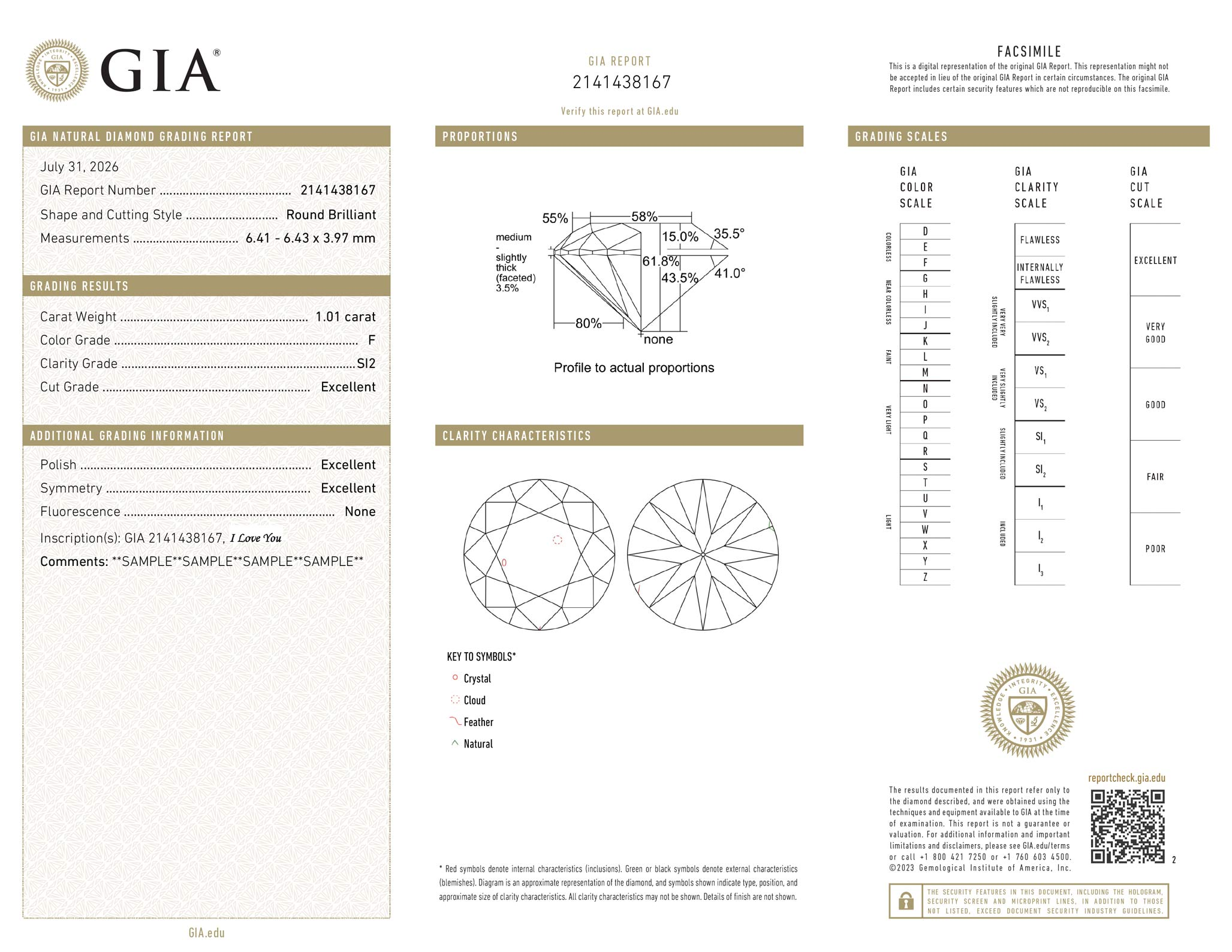
GIA is an independent nonprofit gemological institute. It charges for laboratory and educational services, but it does not hold retail diamond inventory, sell shoppers one origin over another or earn a sales commission when a consumer chooses natural instead of laboratory-grown. Its role is identification, grading, research and education, not closing a jewelry-store sale.
Consumers should rely on disclosed origin, an appropriate independent report and repeatable gemological testing, not a celebrity client list, a car analogy or a social-media comparison with unknown variables.
GIA tests each submitted diamond and issues an origin conclusion. Its client agreement also says the report is not a legal warranty or guarantee. Those two points are not contradictions. The disclaimer does not mean GIA is unable to identify origin; it means the laboratory report is not the same thing as a legal warranty.
The Miss Diggs Challenge to Alex Moss and Every Jeweler Making This Claim
I challenge Alex Moss, and any other jeweler who says they can visually identify laboratory-grown diamonds, to defend that claim before a panel of GIA Graduate Gemologists.
The test should be simple, fair and public:
- Use natural and laboratory-grown diamonds closely matched for shape, size, color, clarity, cut, polish and symmetry.
- Clean every stone and present each one under the same controlled lighting.
- Randomize the stones and conceal all origin information.
- Begin with the naked-eye conditions claimed in the video: no instruments and no advance clues.
- Repeat the test across enough stones to eliminate lucky guessing.
- Have every origin independently verified by a recognized gemological laboratory.
- Film the complete test and publish every result, not a highlight reel.
If Moss can repeatedly identify origin under those conditions, let the evidence show it.
If he cannot, he should correct the claim.
This is not about whether someone prefers natural diamonds, laboratory-grown diamonds or no diamonds at all. It is about telling consumers the truth.
The Bottom Line
Laboratory-grown and natural diamonds are both diamonds. They differ in origin and can differ greatly in price, rarity and resale behavior. Those differences matter and must be disclosed.
But a jeweler cannot reliably identify that origin from across a room because a chain supposedly “doesn’t hit” or looks like plastic. As a reliable identification method, that claim is false. As consumer education, it is misleading.
Judge beauty through the Four Cs and the quality of the finished piece. Verify origin through documentation, appropriate screening and laboratory testing.
The truth does not need a Ferrari analogy. It needs evidence.
Editorial note: This article evaluates statements and imagery published in the cited social-media post. It disputes the accuracy of those claims based on GIA research and FTC guidance; it does not claim knowledge of any speaker’s private intent.