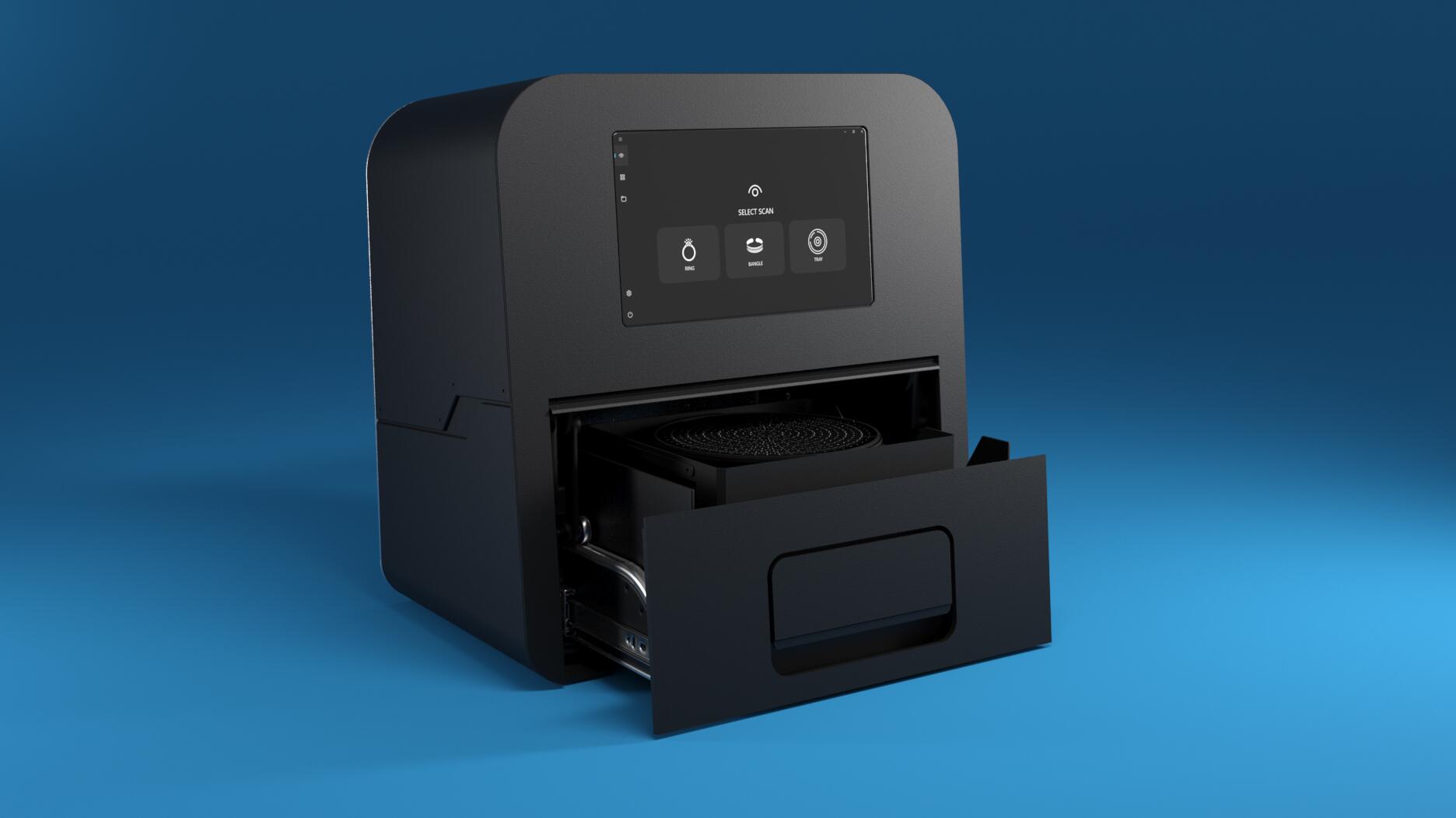
De Beers has introduced SynthDetect 2, its first new desktop SynthDetect model in almost a decade. The immediate question is not simply what the machine does. It is why the diamond industry needs another screening instrument at all.
The answer is less dramatic than “last year’s machine no longer works.” Older equipment remains useful. SynthDetect 2 is designed to solve operational problems: speed, volume, mounted-jewelry handling, automation, reporting and the growing need to screen diamonds at multiple points in the supply chain.
De Beers’ official product page says the instrument can screen loose diamonds and jewelry from 0.001 to 10 carats, across all cuts and generally within the D–J color range. Lower colors may be tested but can produce higher referral rates.
What SynthDetect 2 Actually Does
The machine examines diamonds using controlled ultraviolet illumination and time-resolved photoluminescence. It looks for growth-related optical characteristics that help separate natural diamonds from laboratory-grown material.
It produces three possible classifications: Natural, Synthetic or Refer.
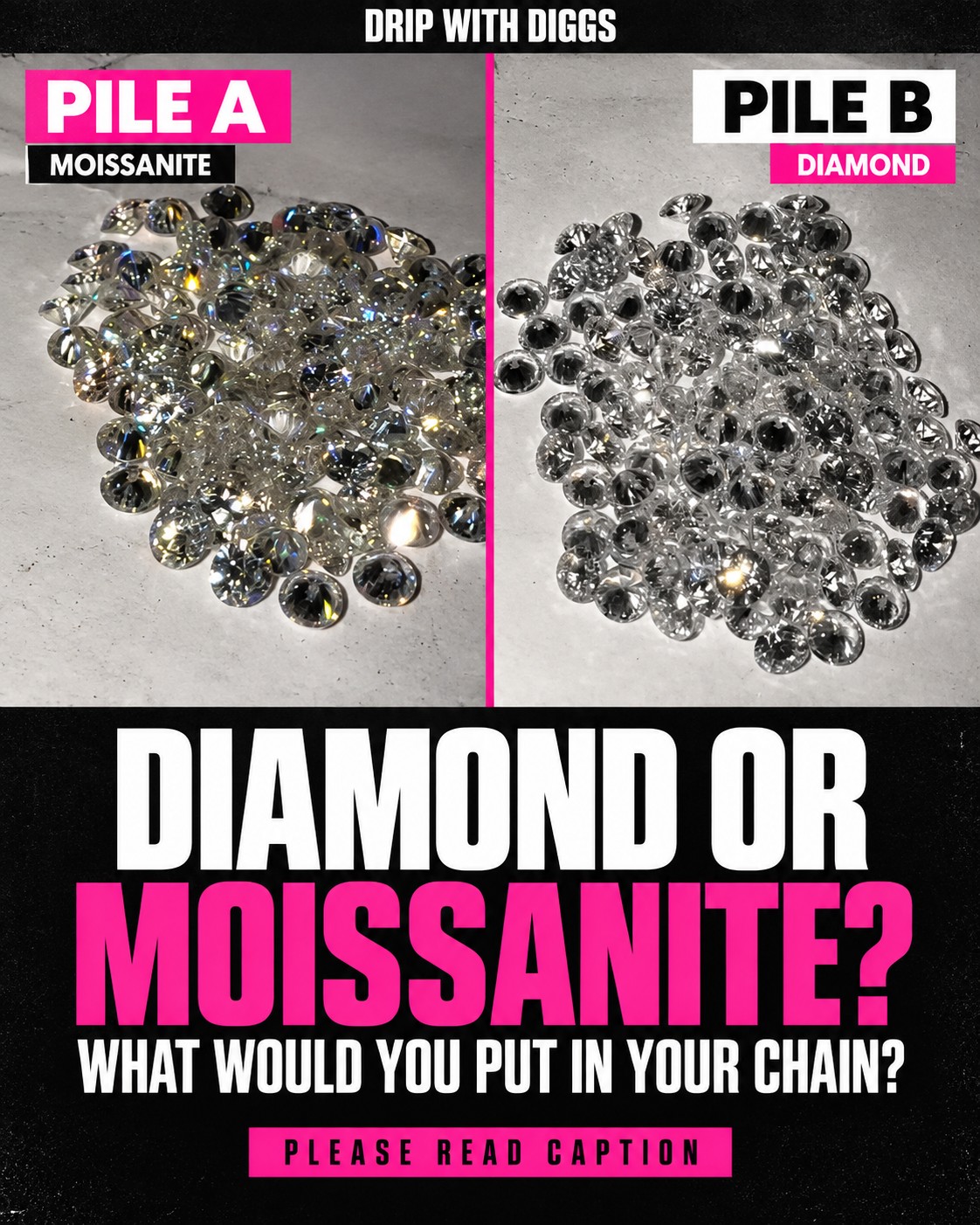
Refer is not a diagnosis. It means the stone requires additional examination by a laboratory or a more advanced identification system. De Beers says simulants such as moissanite and cubic zirconia also receive Refer results rather than a definitive simulant identification.
The distinction matters. Screening removes the majority of routine stones from further testing. Detection or identification uses more advanced analytical methods to reach a conclusive origin determination.
The Major Upgrade Is Speed
According to National Jeweler’s launch report, earlier SynthDetect models could take approximately 30 minutes to process a full tray. SynthDetect 2 performs a comparable full-tray scan in under five minutes.
De Beers lists approximately six seconds for a full rotating ring scan and 10 seconds for a bangle. The company describes the new machine as 10 times faster than the original SynthDetect, while National Jeweler describes the full-tray performance as roughly six times faster than its predecessors. Those descriptions use different comparison measures and should not be treated as contradictory.
The instrument also generates reports automatically, stores results through a cloud platform and receives remote software updates. De Beers says approximately 1% of natural diamonds are referred for additional testing.
How Much Does SynthDetect 2 Cost?
De Beers has not publicly disclosed the price.
The official listing says “price on request.” Businesses can use the product inquiry form or email DVIsales@debeersgroup.com. De Beers says worldwide shipping from its U.K. production facility will begin in the first quarter of 2027.
For context, De Beers’ current 2026 product brochure lists the original SynthDetect at $18,500 and SynthDetect XL at $22,500. The same brochure lists DiamondProof at $5,500, although early 2025 coverage reported a higher introductory price. None of those figures should be represented as the price of SynthDetect 2.
Can Jewelers Still Use the Machine Released Last Year?
Yes.
The De Beers instrument that reached U.S. retail stores in 2025 was DiamondProof, a smaller customer-facing machine intended for verification at the retail counter. It is not the same product as SynthDetect 2. De Beers’ announcement about its U.S. rollout describes that separate retail instrument.
The original SynthDetect dates to 2017, and SynthDetect XL followed in 2018. Those machines do not become scientifically worthless because a faster successor exists. A jeweler’s best instrument depends on what is being screened, how many stones must be processed, whether the diamonds are loose or mounted, the stone sizes and colors involved, and whether the business needs saved reports.
A smaller retail store verifying one ring for a customer has a different workflow from a manufacturer screening full trays of melee or a laboratory processing large quantities of jewelry.
Why Ordinary Diamond Testers Are Not Enough
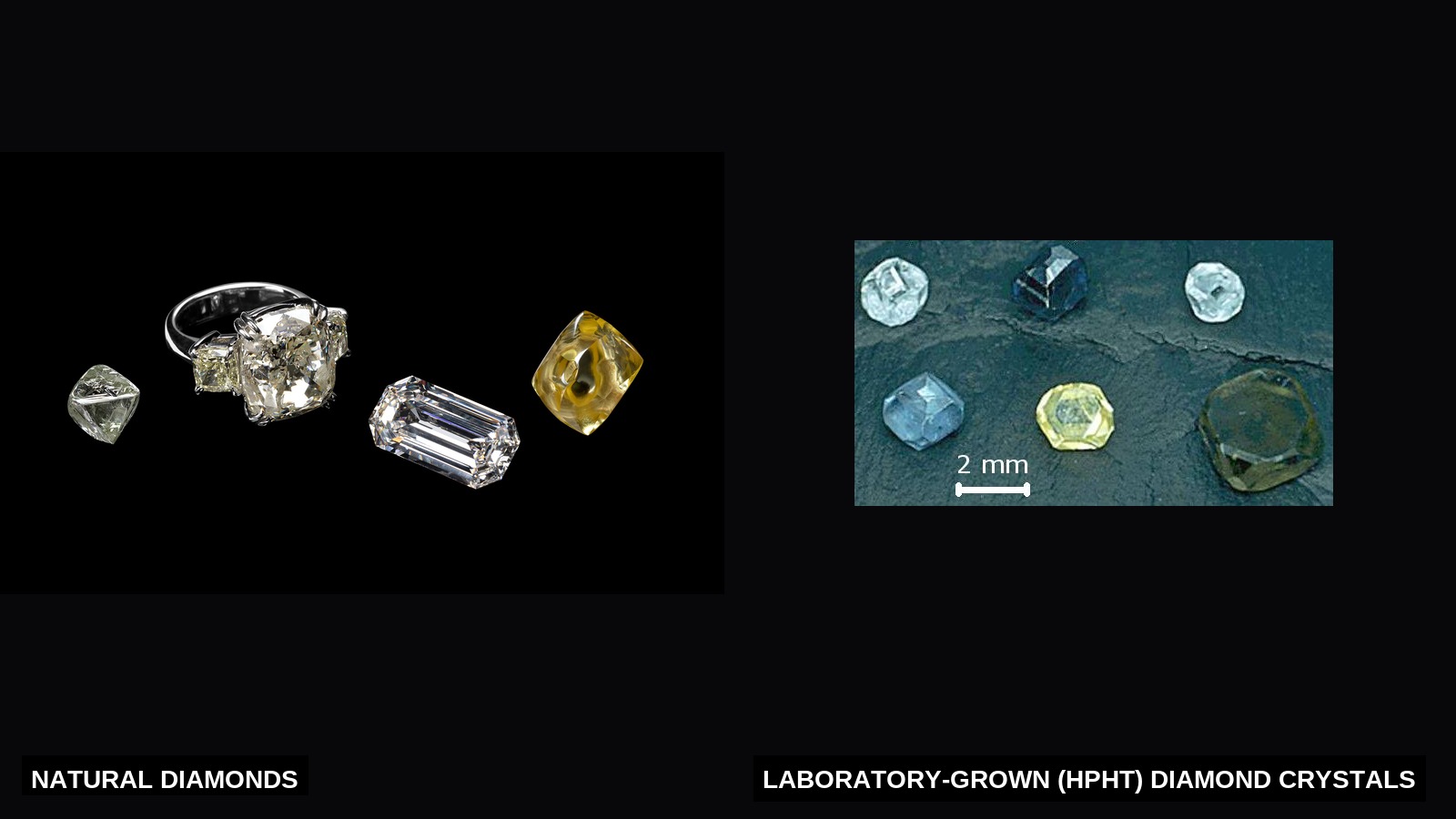
Laboratory-grown diamonds are diamonds. They possess essentially the same fundamental chemical composition, hardness and optical properties as natural diamonds.
A conventional thermal tester can often separate diamond from materials such as glass or cubic zirconia. It cannot reliably determine whether a diamond formed underground or grew through a CVD or HPHT process.
That is why natural-versus-laboratory-grown origin testing relies on characteristics such as growth structure, trace defects, fluorescence, phosphorescence and spectroscopic response.
Why New Screening Technology Keeps Appearing
Laboratory-growing processes, post-growth treatments and production quality continue to evolve. At the same time, diamonds are being screened in smaller sizes, larger parcels and more complicated mounted jewelry.
The industry therefore keeps improving instruments for several practical reasons:
- faster processing of high-volume parcels;
- reliable handling of melee and finished jewelry;
- lower referral rates;
- reduced dependence on operator interpretation;
- automated documentation and audit trails;
- software updates as new material and treatments enter the market.
The goal is not to make every older machine obsolete. It is to make screening more efficient and harder to skip.
The Bottom Line
SynthDetect 2 is not evidence that every detector released before 2026 has failed. It is a high-throughput successor built for a market in which natural and laboratory-grown diamonds move through the same manufacturing, wholesale and retail channels.
The price has not been publicly disclosed. The machine will not ship until early 2027. But its purpose is already clear: screen more diamonds, in more forms, with less time and less operator intervention.