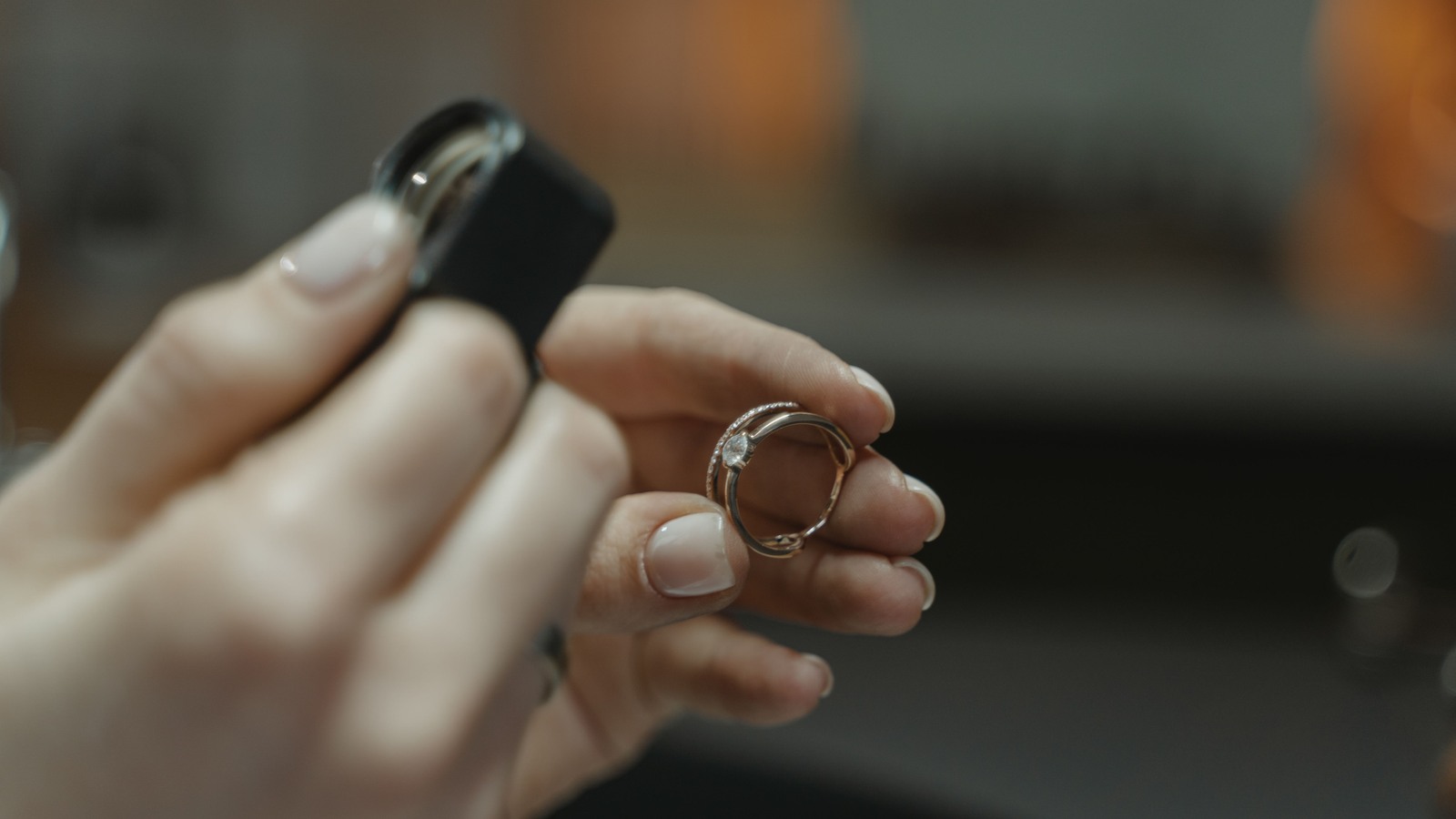
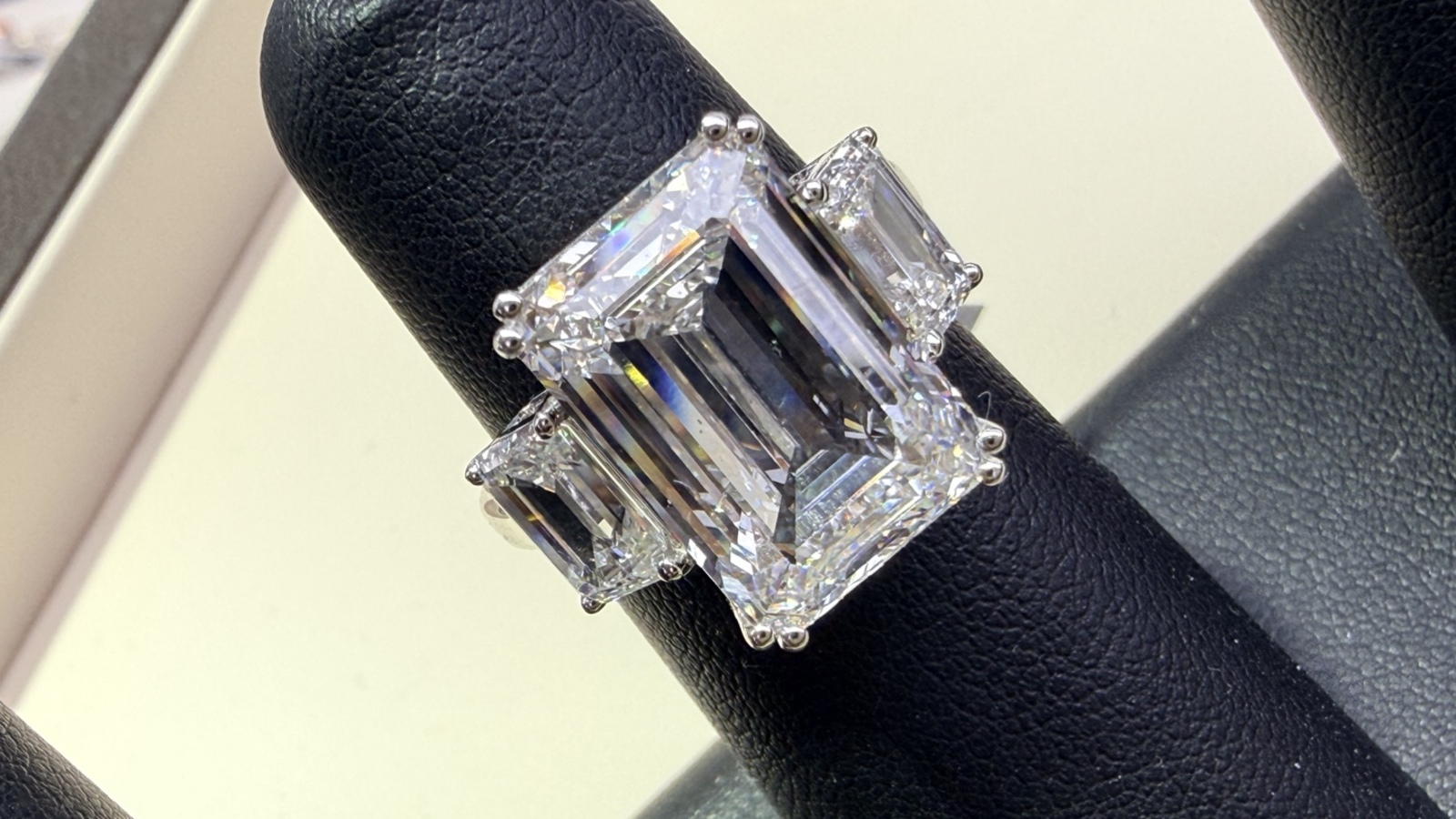
A customer can spend $5,000 or $10,000 on an engagement ring, walk into a jewelry store and discover that the store either does not want it or will offer only a few hundred dollars.
Most people assume the jeweler is insulting the quality of the ring.
That may not be the issue at all.
As a jewelry retailer, my first question is not only, “What is this ring worth?” It is, “Do I have a realistic customer for it?”
If the answer is no, I do not need to buy more dead stock.
The store may not need your ring
Jewelry retailers already have engagement rings sitting in showcases, safes and inventory systems. Some have been there for months or years.
Why would I use more cash to purchase another ring that may sit beside them?
Even if the stone is genuine and the price looks favorable, inventory that does not move is expensive. It ties up money, occupies insured space and prevents the retailer from buying or producing pieces customers are requesting right now.
A jeweler is not required to make an offer simply because an item has value.
The item also needs demand.
I can make a new ring instead
A retailer may be able to produce a brand-new engagement ring in days. The metal, stone origin, grading information, measurements and manufacturing history can be known from the beginning.
The new ring can be made in the customer's finger size, preferred metal, setting style and budget.
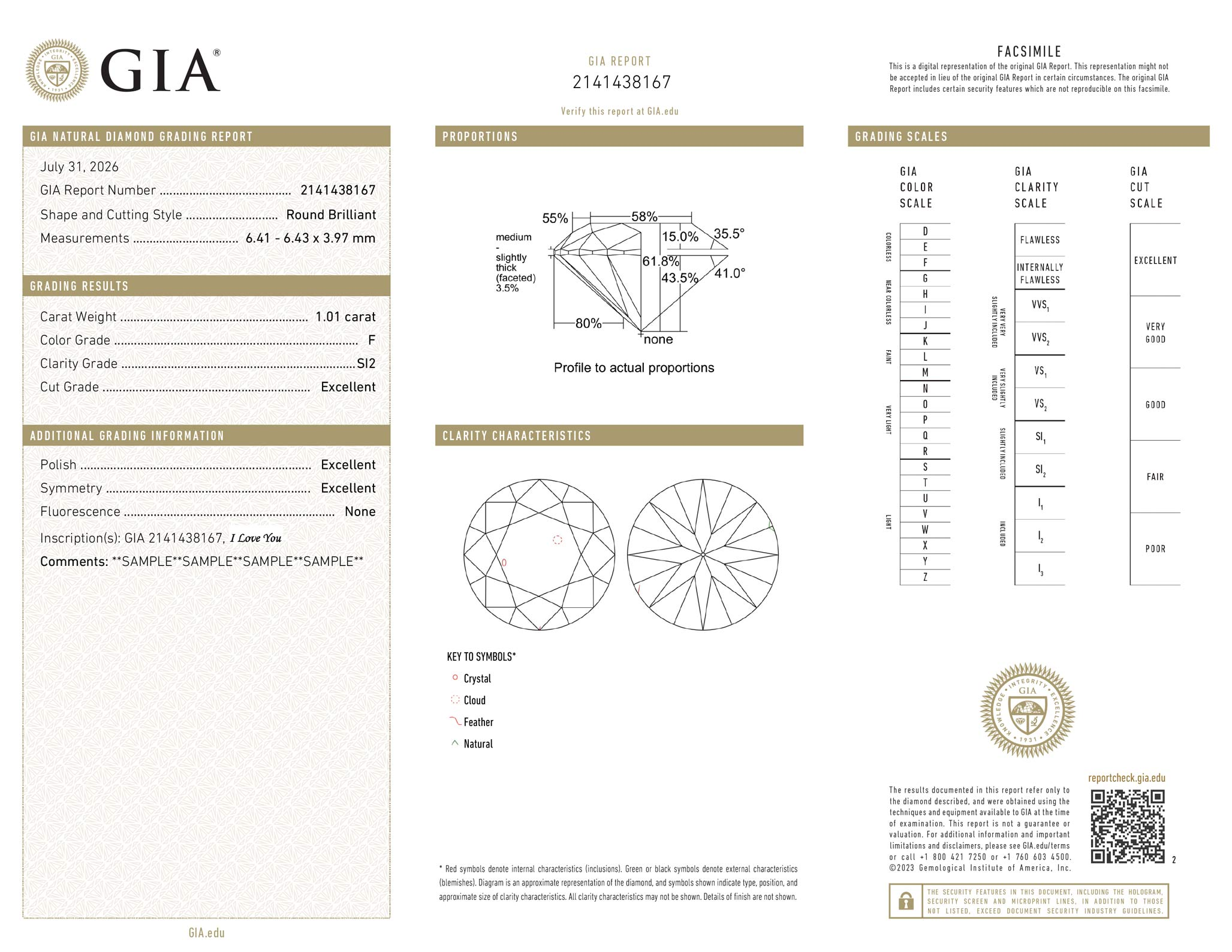
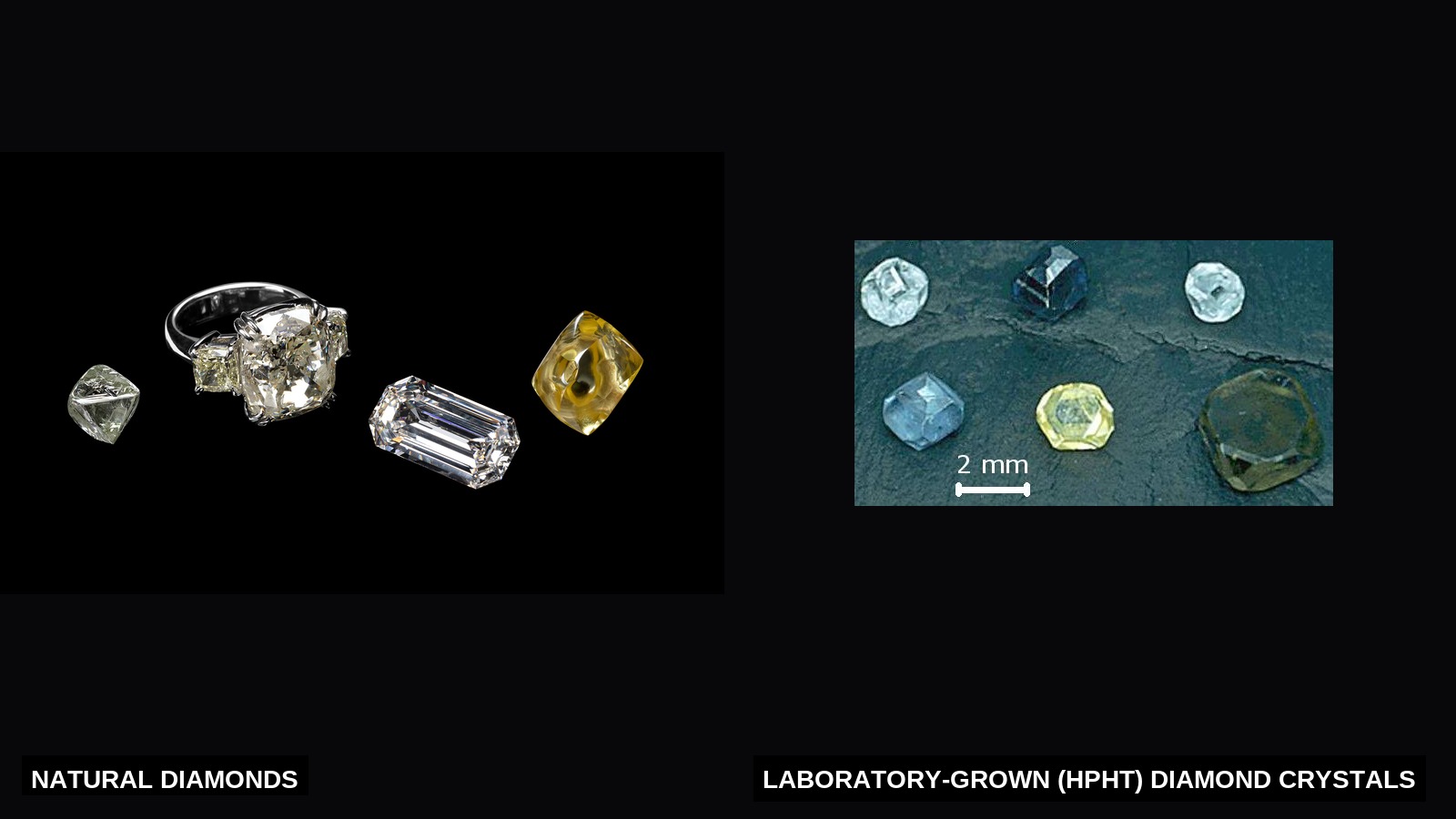
Compare that with purchasing a used ring from a consumer. The retailer may need to verify the stone, confirm whether it is natural or laboratory-grown, check for treatments or damage, inspect the mounting and decide whether the existing design matches what customers are currently buying.
If I can make the exact ring my customer wants—brand new, verified and sometimes at a lower cost—there is little reason to purchase a random used engagement ring just because someone paid thousands for it.
Some jewelry is easier to flip
Retailers are more interested in pieces with an established resale audience.
Depending on the store and its customers, that may include certain recognizable watches, Cuban-link chains, tennis chains and other styles that sell repeatedly.
A round brilliant diamond generally has a broader buyer pool than many fancy shapes because round remains the most familiar and consistently requested diamond shape.
That does not mean every round diamond is desirable. Cut, color, clarity, carat weight, condition, origin, documentation and price still matter.
It means the retailer has a better chance of matching that stone with another customer.
Fancy does not always mean liquid
Fancy shapes—including emerald, marquise, pear, oval, radiant, cushion and other non-round cuts—can cost more because of size, rarity, design or the original retail setting. But they also depend more heavily on individual taste.
The narrower the audience, the greater the chance that the stone becomes dead stock.
Fancy-color diamonds require an important distinction. A rare natural fancy-color diamond with strong laboratory documentation can be extremely valuable. But value and liquidity are not the same thing. It may require a specialist dealer, auction house or collector rather than the average neighborhood jewelry store.
An expensive stone is not automatically an easy stone to resell.
Why the offer can feel ridiculously low
Sometimes a jeweler makes a very low offer because that is the only price at which taking the risk makes sense.
If the store expects a ring to sit for a long time, it must purchase it far below the hoped-for resale price. The offer has to account for the possibility that the mounting will be scrapped, the stone will need to be removed or certified, and no customer will want it anytime soon.
A $10,000 receipt does not force the secondary market to treat the ring as a $10,000 asset.
The retailer may only want the recoverable gold or platinum. The diamond adds money only when the retailer believes it can be resold profitably.
In blunt terms, a store may take a chance on a difficult $10,000 stone if the seller is willing to accept $500. At that price, the possible return may justify the risk. At several thousand dollars, it may not.
That is not a formula or a universal percentage. It is an example of how inventory risk changes an offer.
Selling to a retailer is not selling at retail
You can sell jewelry at retail, or you can sell jewelry to a retailer. Those are not the same transaction.
A retailer buys below the expected selling price because the retailer still has to find the next customer.
If you want something closer to retail money, you have to move closer to the retail side of the transaction. That means finding the final customer yourself or using a consignment dealer, specialist resale platform or auction house.
Those routes can potentially bring more money, but they also require more time. You may pay commissions and fees, wait months, handle returns and questions, and take on shipping, fraud and personal-safety risks.
Before selling, gather the receipt, grading report, appraisal, branded packaging and repair history. Obtain multiple offers and ask what each number represents: scrap value, an immediate dealer purchase, consignment or an auction estimate.
The bottom line
The biggest obstacle may not be your ring's authenticity or original price. The retailer may simply have no need for it.
Jewelers do not need more merchandise that cannot be matched with a buyer. We need inventory that moves.
If you want immediate money from a dealer, expect the dealer to price the ring around demand, risk and resale potential—not around your receipt.
If you want retail money, you have to find the retail customer.