Under a minute. That is the number every New Jersey jeweler should be sitting with this week.
The Jewelers' Security Alliance has issued a warning to New Jersey jewelry businesses after what the organization describes as a run of smash-and-grab crimes across the state in 2026. According to JSA, reported by National Jeweler, nine New Jersey jewelry businesses have been targeted this year.
Everything below reflects what JSA, police and local reporting have described. No part of this report is a finding of fact about any individual, and where suspects are unidentified or uncharged, nothing here should be read as an accusation.
What was reported in Bogota
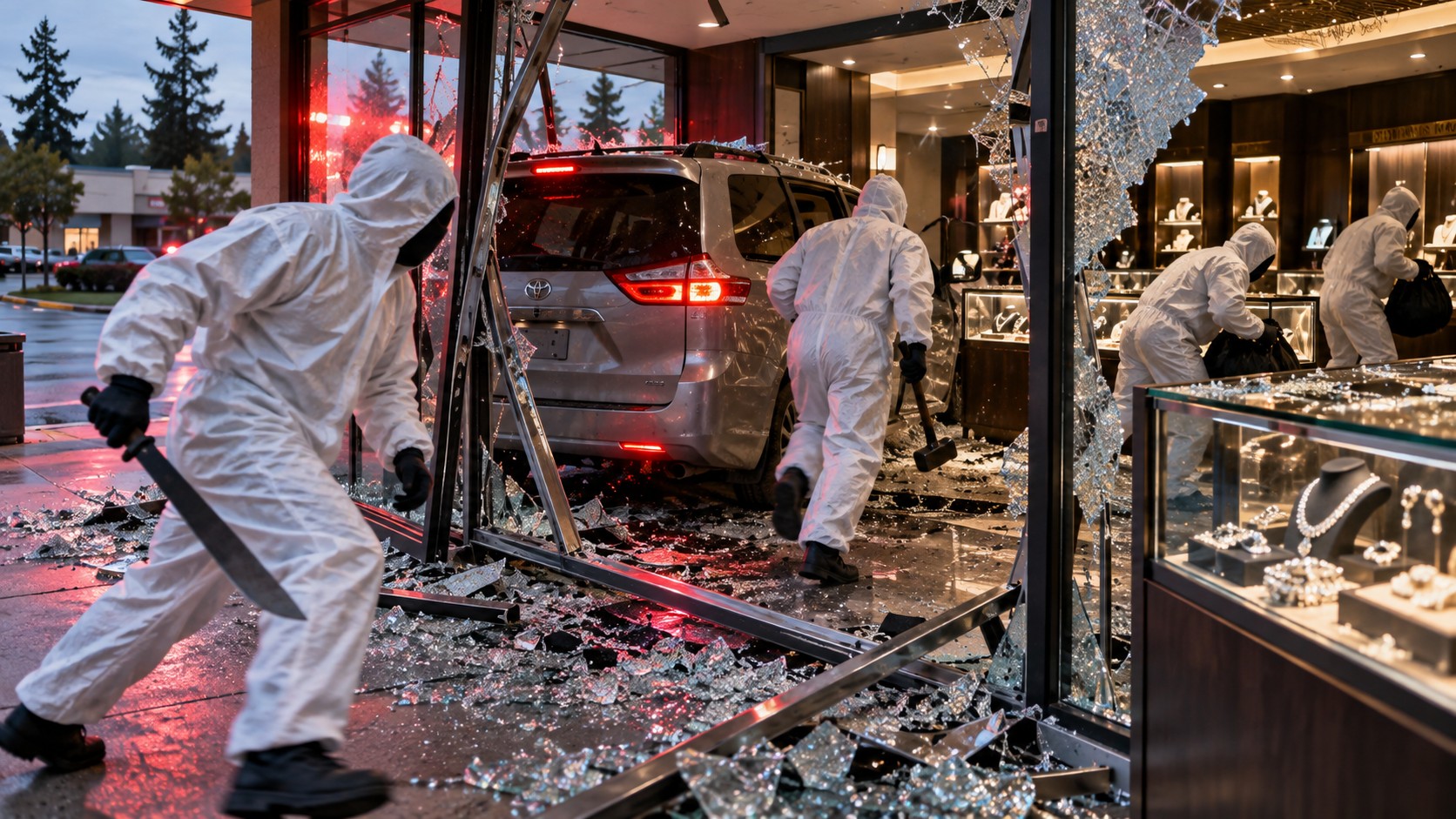
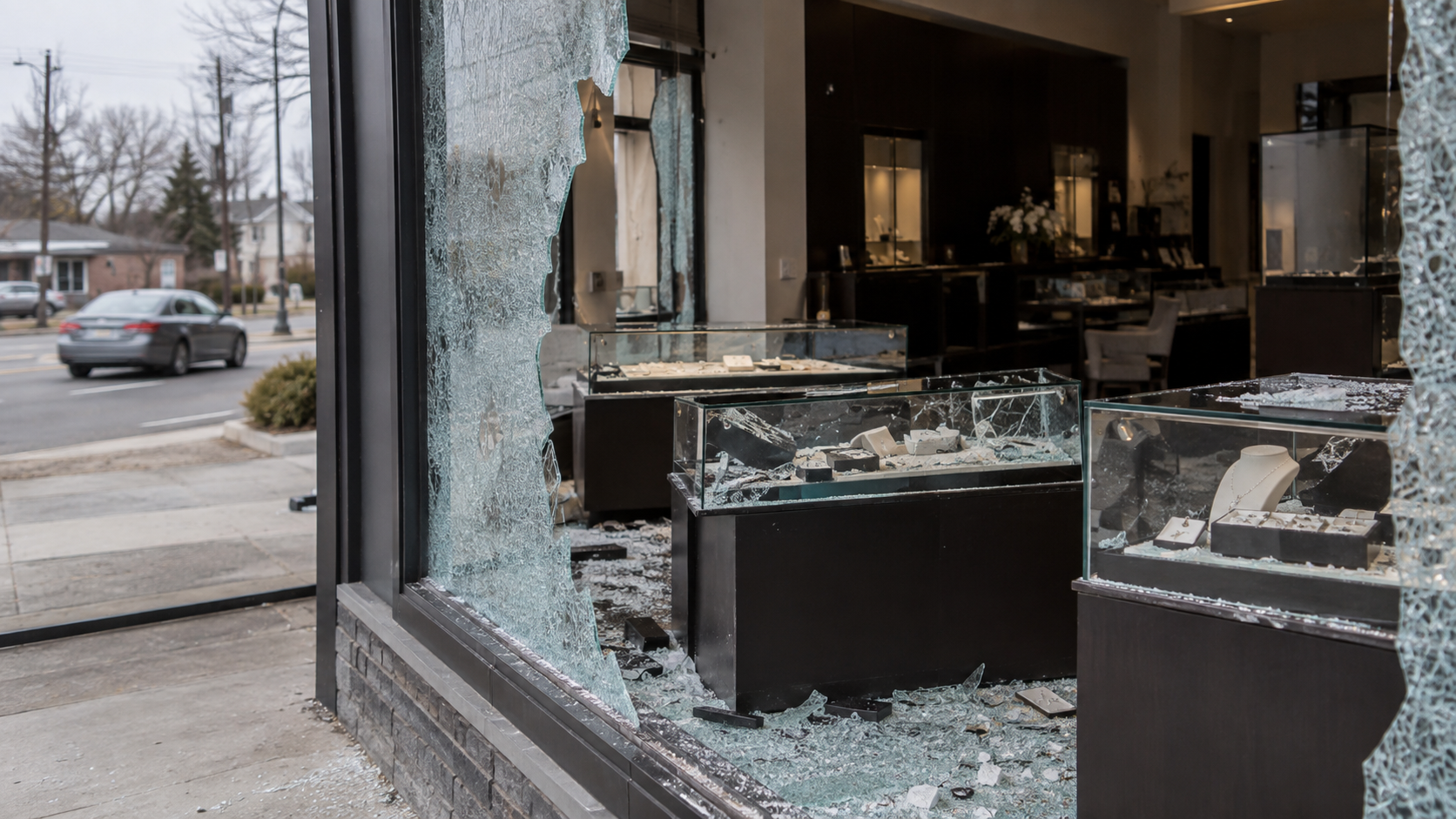
The most recent incident in the reported series happened on September 2 in Bogota, New Jersey. According to police accounts relayed by News 12 New Jersey, four people used a sledgehammer to break through the storefront, smashed three showcases and left in a gray Acura. The reported elapsed time was under one minute. The estimated merchandise loss was $500,000.
An August 8 burglary in Iselin reportedly caused an estimated $1 million loss. Other locations named in reporting include Jersey City, Union, Perth Amboy, Newark, Orange, Edison and Wayne.
That geography matters. This is not one neighborhood with one problem. It is a spread of independent businesses across a state, hit in a pattern fast enough that response time is almost never the deciding factor.
What JSA is telling stores to change
The recommendations reported by National Jeweler are practical and specific:
- Install laminated burglary-resistant glass on storefronts and showcases.
- Do not concentrate valuable inventory in a single case.
- Move selected merchandise into safes, especially outside business hours.
- Use glass-break alarms and door buzzers.
- Consider trained security personnel.
- Train staff in nonresistance and emergency procedures.
None of those are exotic. Most are budget decisions that a store keeps deferring until the week after something happens.
What jewelry retailers should know
I want to be careful here, because there is a version of this conversation that turns into blaming the stores that got hit. That is not the conversation. A crew with a sledgehammer and a waiting car is not defeated by a shop owner being more careful.
What can change is the math of the sixty seconds.
A display-case lock is a delay measured in a second or two. Laminated glass is a delay measured in repeated swings, and repeated swings are what makes a crew abandon a case. Spreading inventory across cases means a single breach is a smaller loss. Merchandise in a safe is merchandise that is not in the room at all.
Then there is everything that matters after the fact. Off-site or cloud video survives someone taking the recorder. Accurate, current inventory records with photographs, item numbers and stone details are the difference between an insurance claim that settles and one that stalls. Serial numbers on watches and grading reports on stones give police something to trace and give you something to prove.
Staff training belongs in the same list. Nonresistance guidance exists because merchandise is replaceable and employees are not. A team that has walked through the plan once is a team that gets to the back of the store instead of toward the counter.
The bottom line
Nine reported incidents in one state in one year is a pattern, and the state's independent jewelers should treat JSA's warning as an operating instruction rather than a news item. Harden the physical barrier, distribute the inventory, back up the video off site, document what you own and rehearse what your people do. None of that guarantees anything. All of it changes what a crew can take in under a minute, and what you can recover afterward.