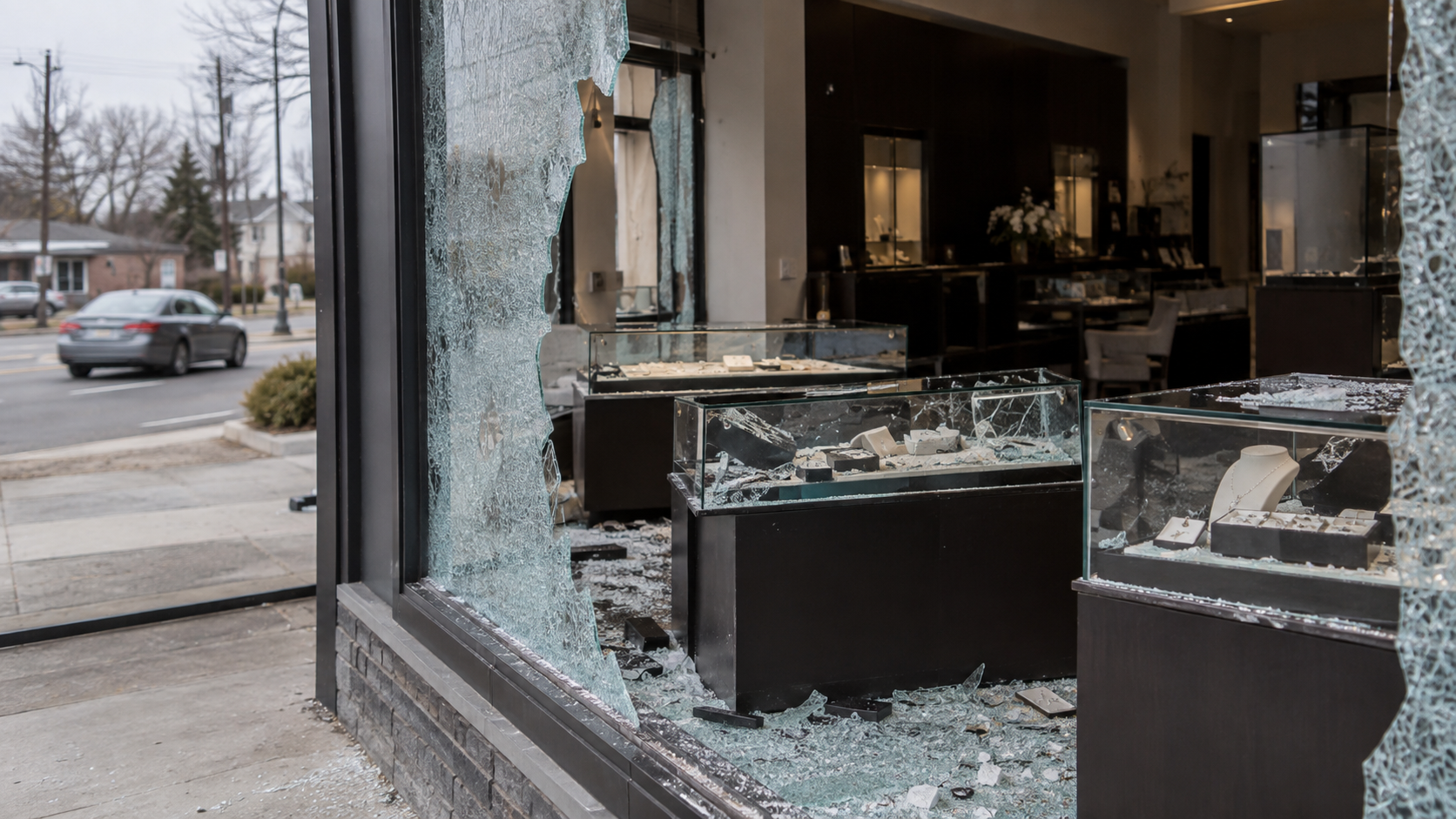
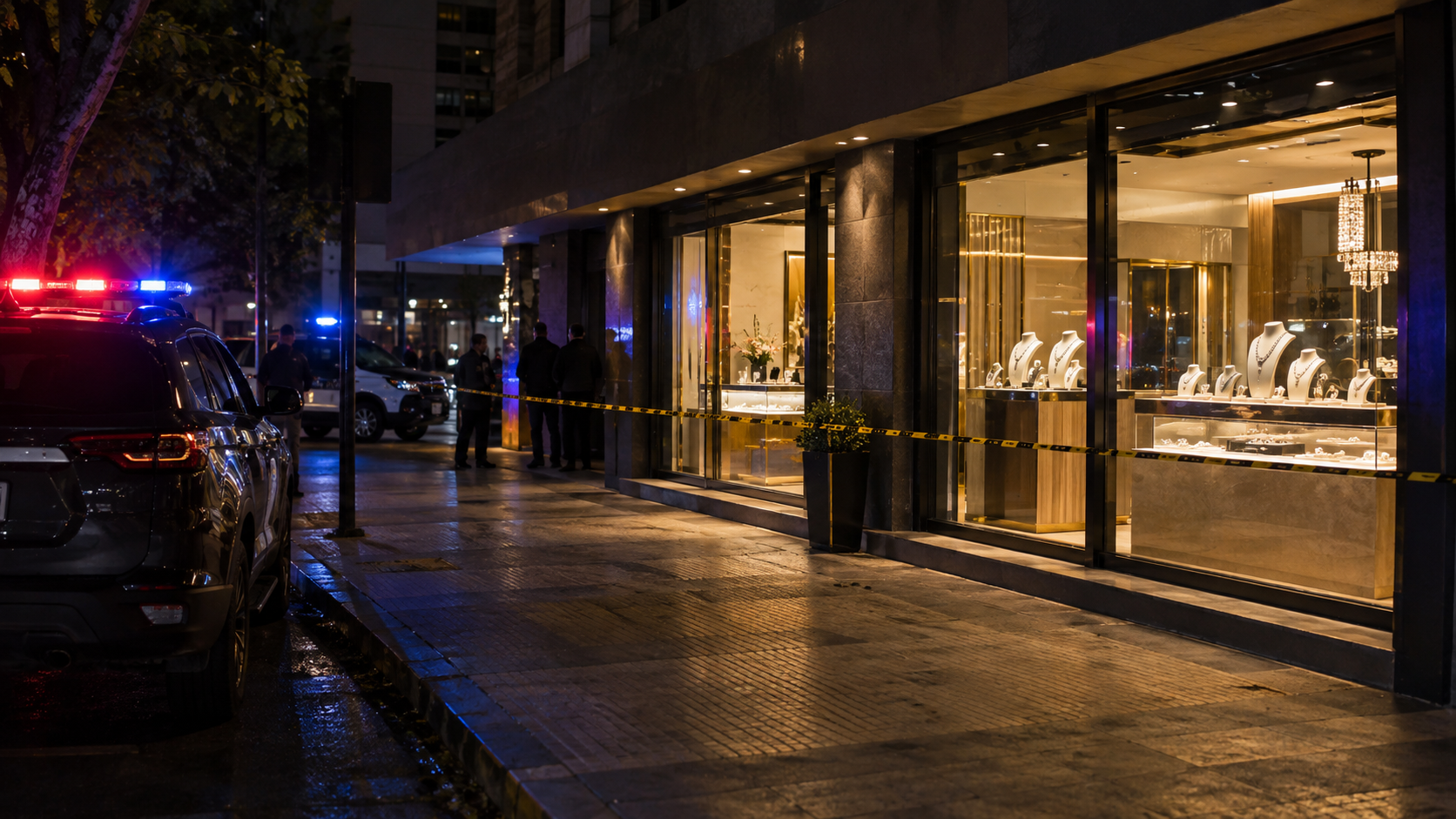
Four people died after an attempted jewelry-store robbery in Goiânia, Brazil, on September 15, according to UOL.
Every detail below comes from the police account as relayed by UOL. We were not able to locate an independently accessible primary police release, and we are reporting this as a police account rather than as established fact. We are keeping the description restrained on purpose.
What the police account describes
According to the account reported by UOL, two suspects entered the store posing as a couple interested in pricing wedding bands.
Police said an employee resisted and shot both suspects, and that the employee was then fatally shot after his weapon was taken. A second employee was wounded and was reported to be in stable condition.
Two alleged accomplices fled. Police said an alleged getaway driver later staged his own abduction in an attempt to mislead investigators, then confessed that he had expected R$70,000 for his role. He was arrested. Police said another suspect fired at officers and was killed during the confrontation.
Those arrested face allegations that have not been tested in court.
Why the industry teaches nonresistance
There is no version of this to frame as heroism or cowardice, and I am not going to write one. A man went to work and did not come home. What the account shows is how fast an armed confrontation stops being controllable by anyone in the room.
A weapon introduced into a robbery does not stay with the person who introduced it. In this account, an employee's own firearm reportedly became the weapon used against him, and a wounded suspect and a second wounded employee were part of the same few seconds.
That is exactly why industry security guidance, including longstanding Jewelers' Security Alliance training, centers on nonresistance. Cooperate. Do not chase. Do not draw. Observe what you can safely observe, get people away from the counter, call police and preserve the video.
The reason is not commercial caution. It is that merchandise is insurable and replaceable, and the people behind the counter are not.
What retailers should take from it
- Train nonresistance before you need it, and train it with the staff who actually open and close.
- Give employees a rehearsed physical plan: where they move, who calls, who does not follow anyone outside.
- Keep video backed up off site, because the recording is often the most useful thing that survives.
- Treat an unremarkable couple pricing wedding bands as an ordinary customer interaction, because it almost always is. The answer to this is procedure, not suspicion of your own customers.
The bottom line
The reported facts are terrible and the lesson is narrow. Once a firearm enters a robbery, no one in the store controls what happens next. Nonresistance is not passivity. It is the only part of the sequence a store can reliably decide in advance.