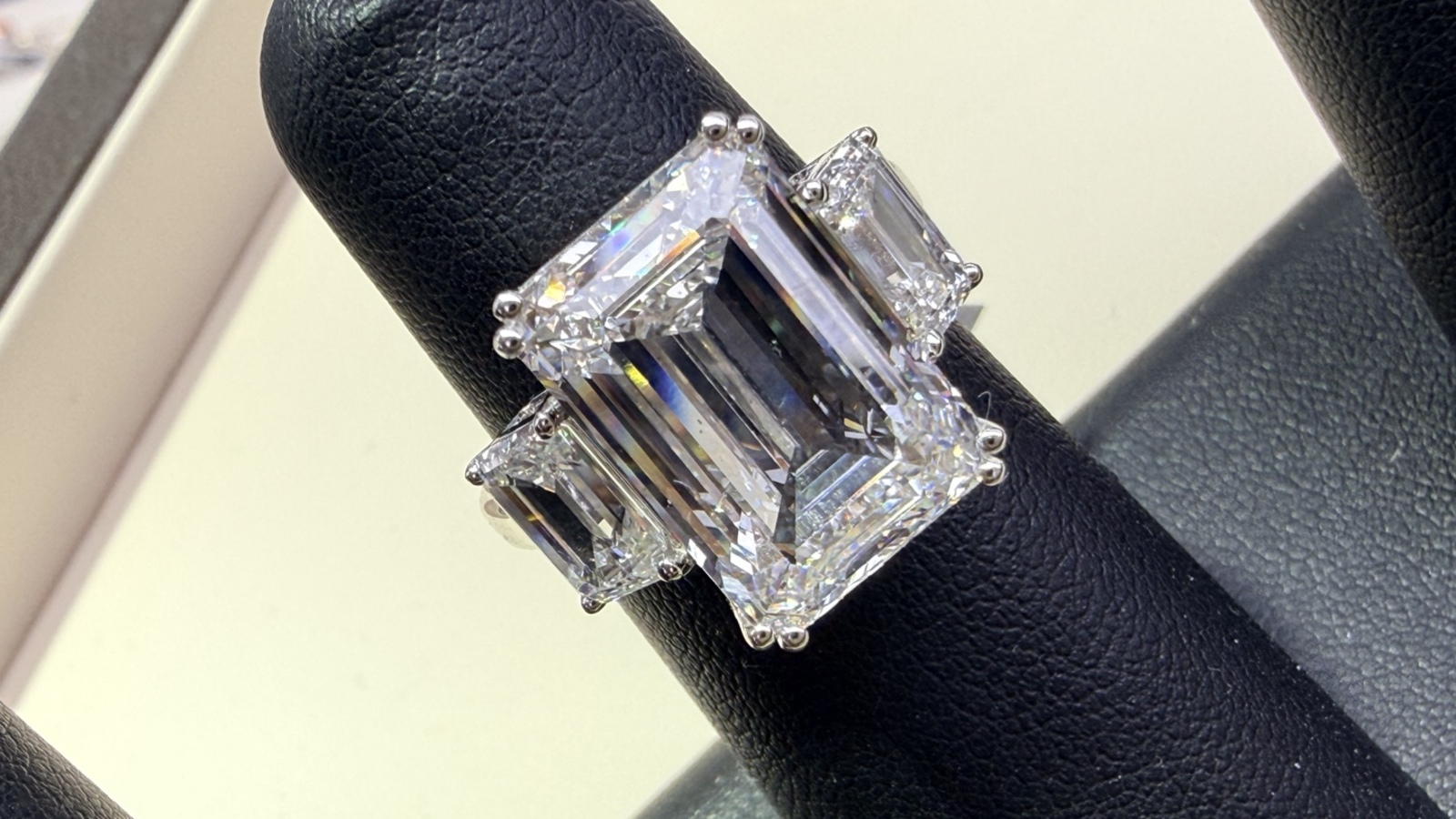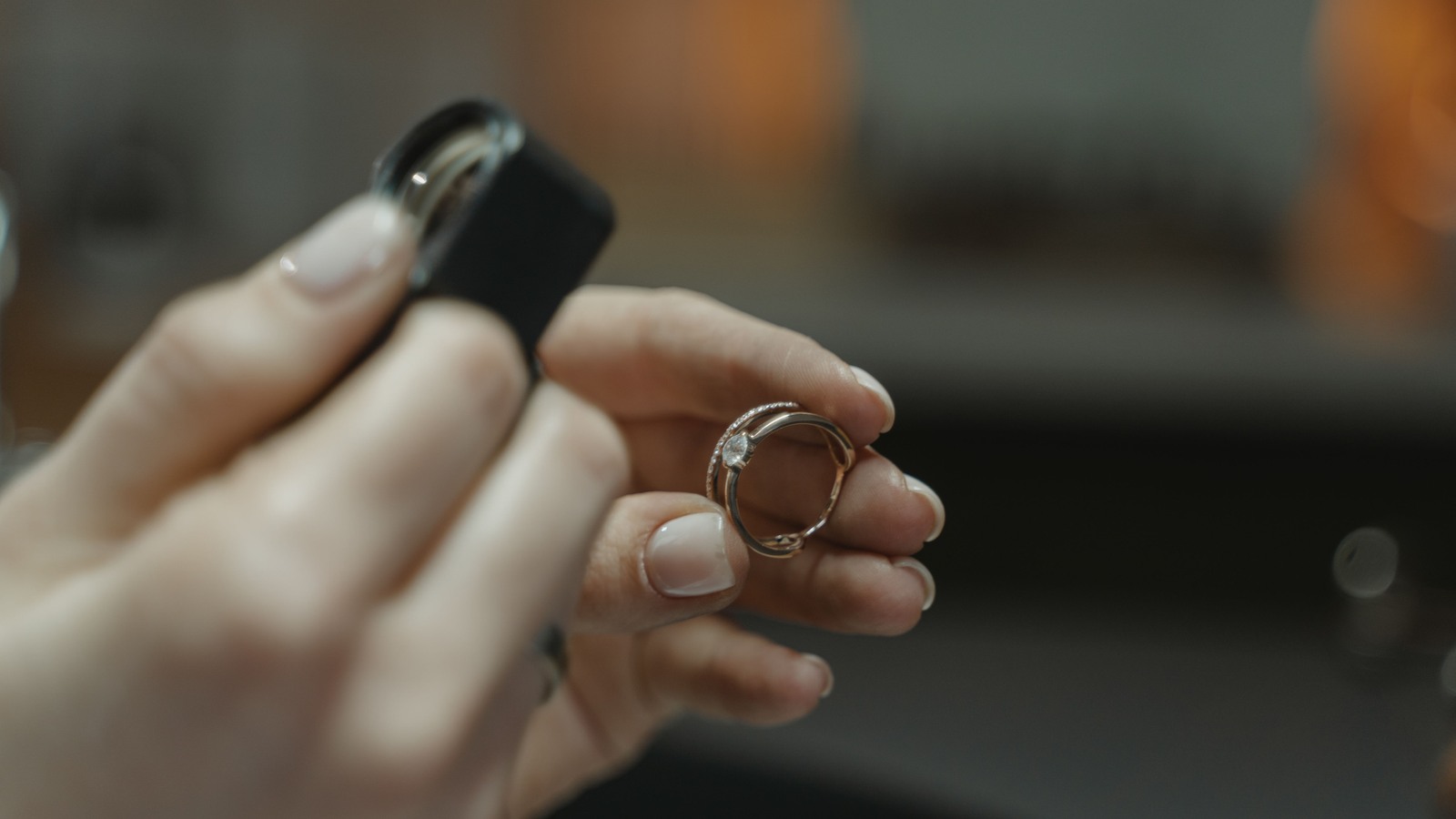
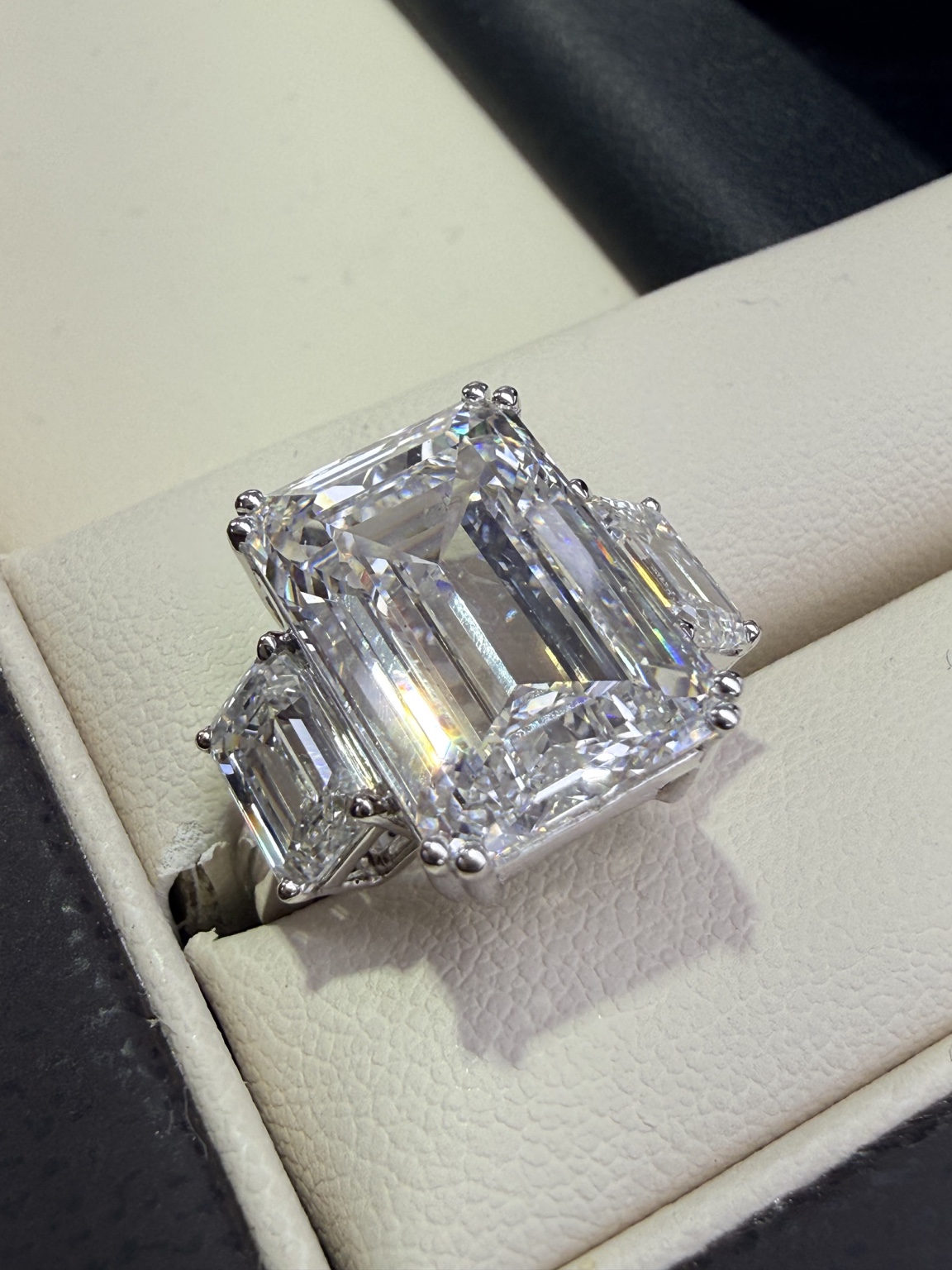
An engagement ring arrives with a promise. When that promise falls apart, the next conversation can sound very different: I paid for it. You gave it to me. I want it back.
I have seen that conversation reach the jewelry counter. Couples I helped get engaged have separated before the wedding or divorced afterward. Sometimes the person who bought the ring wants it returned. Sometimes they bring it back to me expecting a refund. The disappointment is personal, but the ownership question has a legal answer.
That answer begins with something more important than the size of the diamond or the name on the receipt: did the marriage happen?
In many states, a ring given in contemplation of marriage is a conditional gift. The recipient receives it on the understanding that the couple will marry. If the engagement ends before that condition is fulfilled, the giver can generally recover it under the applicable state's rules. Once a couple marries, a later divorce raises a different property question. Marriage has already fulfilled the condition.
There is no single national rule. State law, the purpose of the gift and any agreements between the parties determine which answer applies.
A gift with a condition
An ordinary completed gift generally belongs to its recipient. An engagement ring often receives different treatment because it represents a planned marriage. Calling it a conditional gift means the transfer depends on an event, usually the marriage itself.
That distinction explains why paying for the ring and owning it are separate questions. A receipt establishes a purchase. It does not, by itself, settle the consequences of a gift.
It also explains why courts distinguish an engagement ring from other jewelry exchanged during a relationship. A birthday bracelet, an anniversary necklace or a ring given without a marriage condition can have a different legal status. The occasion and the parties' intentions matter.
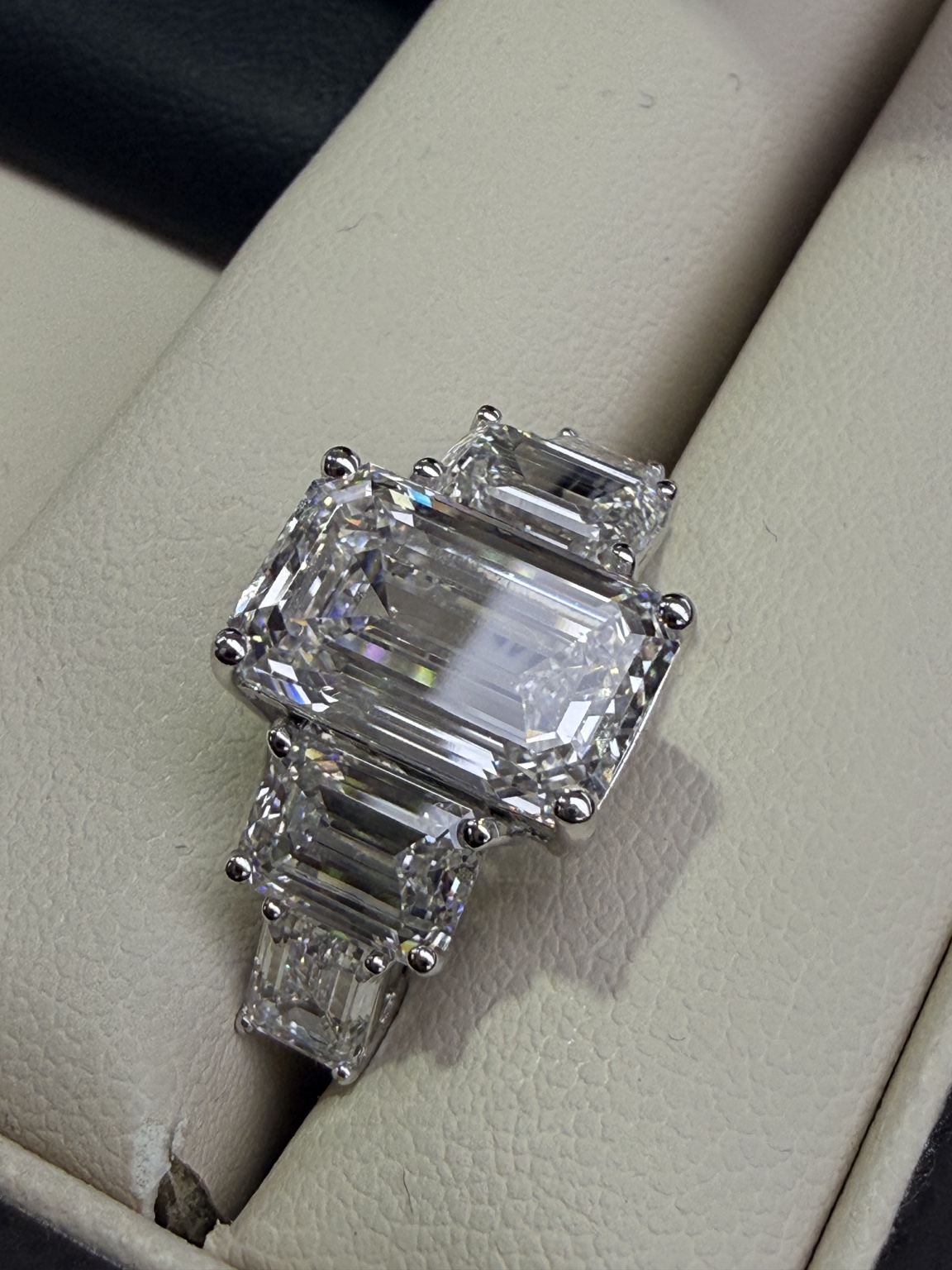
New York: the wedding matters more than the blame
New York Civil Rights Law Section 80-b permits recovery of property transferred when the sole consideration was a contemplated marriage that never occurred. In Luce v. Fleck, a 2018 New York decision, the court explained that an engagement ring must be returned when the marriage condition is not fulfilled. Responsibility for the breakup did not determine the giver's right to recover it.
In plain language, ending the engagement does not automatically mean the buyer forfeits the ring in New York. The question is whether the contemplated marriage occurred.
This rule is distinct from the older idea that an abandoned fiancé or fiancée should receive compensation for a broken promise to marry. New York abolished those breach-of-promise actions while expressly preserving qualifying claims to recover marriage-conditioned gifts.
Read New York's statute and Luce v. Fleck.
New Jersey: a court rejected the breakup blame game
New Jersey's legal history includes decisions taking different approaches. In the 1987 Chancery Division decision Aronow v. Silver, the court rejected fault as the measure of who should keep the engagement ring. It awarded the ring to the giver because the marriage condition had failed.
The dispute followed an engagement that had ended and resumed several times. By the final separation, both parties blamed the other. The court's approach avoided making ring ownership depend on sorting out that emotional history.
Aronow supplies a crucial correction to a common assumption: the person who ends the engagement does not necessarily lose the ring. The decision treated fulfillment of the marriage condition as the central issue.
Read Aronow v. Silver. The opinion itself identifies the deciding court as the Chancery Division.
The $70,000 ring that helped change Massachusetts law
Massachusetts addressed the same question in Johnson v. Settino on November 8, 2024. Bruce Johnson had bought a $70,000 diamond engagement ring for Caroline Settino. Their wedding never happened.
The state's Supreme Judicial Court abandoned its previous fault-based approach. It held that the engagement ring had to return to Johnson regardless of responsibility for the breakup. The court retained the conditional-gift principle while removing blame from the ownership analysis.
The distinction is practical. People can decide that a marriage would be a mistake without having a court assign fault before determining who owns the ring.
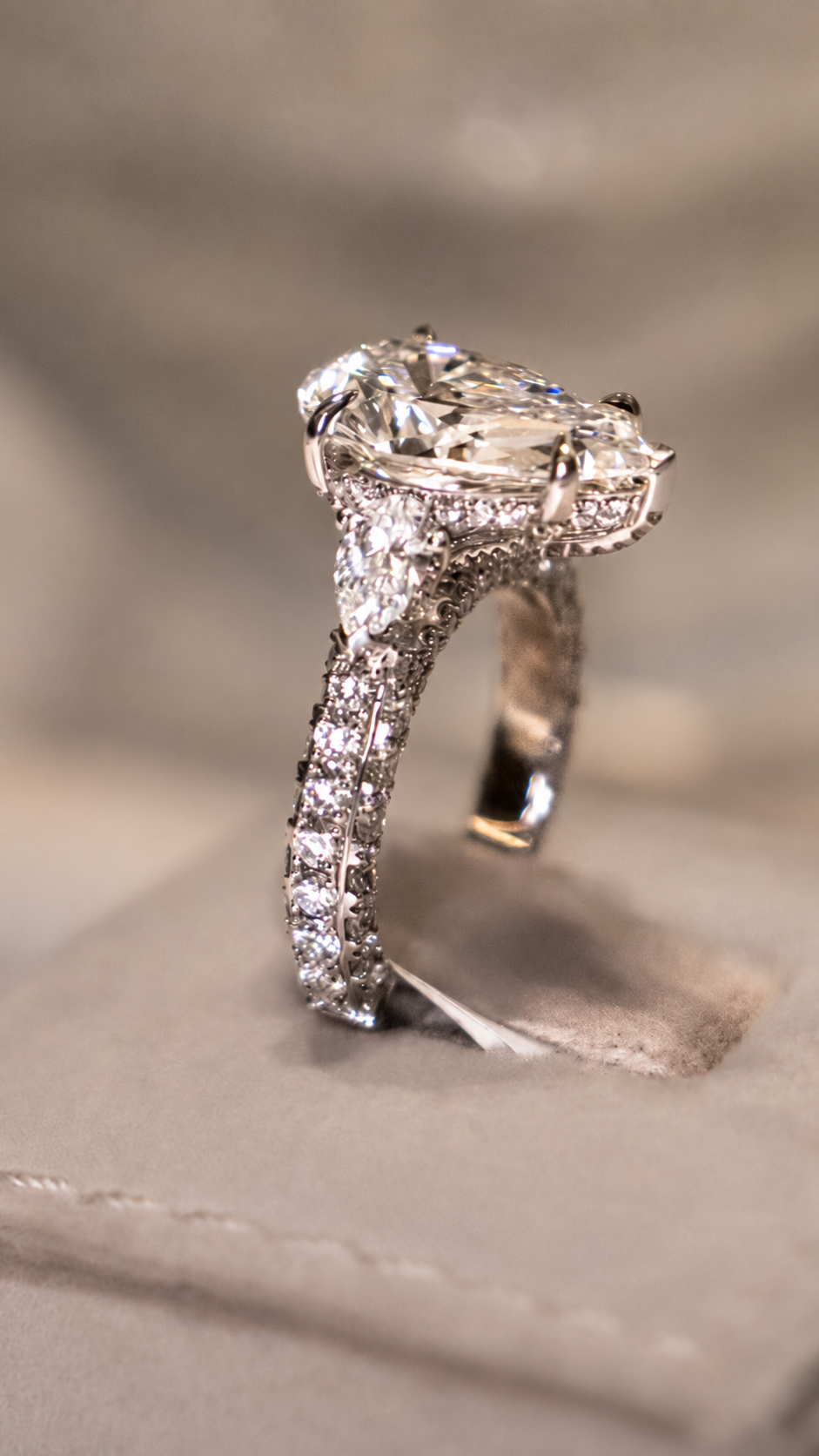
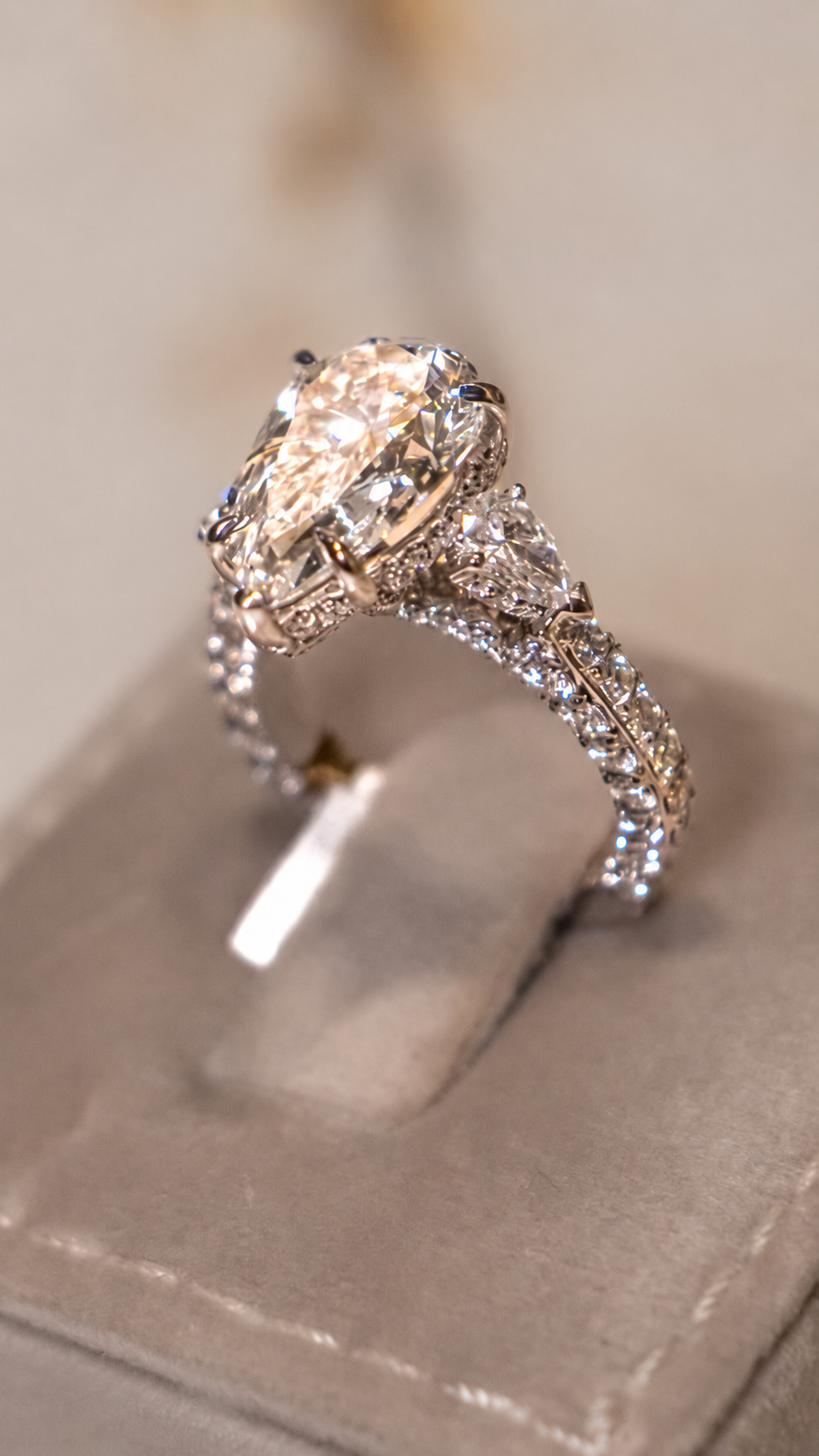
Different states can give different answers
California's Civil Code Section 1590 expressly permits recovery of a marriage-based gift when the recipient refuses to marry or the couple abandons the marriage by mutual consent. It allows a court or jury to determine what recovery is just under the circumstances. That wording differs from an automatic nationwide rule requiring return after every broken engagement.
Montana offers another contrast. In Albinger v. Harris in 2002, its Supreme Court held that the engagement ring was an unconditional, completed gift upon acceptance. The recipient retained ownership.
Those differences make a one-line social-media answer unreliable. Neither “the buyer always gets it back” nor “a gift is a gift” accurately describes every state's treatment.
Read California Civil Code Section 1590 and Albinger v. Harris.
A breakup text can change the outcome
Even in New York, the conditional-gift rule does not resolve every case. Billittier v. Clark shows how a giver's own words can change the ring's status.
After ending their engagement, the giver described the diamond in a text as a $50,000 “parting ring.” The court considered his communications and conduct and found that he had transformed the engagement gift into an unconditional gift after the breakup.
The recipient was awarded the 2.97-carat diamond ring or its fair market value. The court did not simply punish the person who ended the relationship. It found that a new gift had been made.
That is why messages, agreements and the circumstances of a transfer can matter as much as a receipt. A later demand does not necessarily undo an already completed unconditional gift.
Read Billittier v. Clark, decided March 31, 2014.
After the wedding, divorce is a different question
In Winer v. Winer, New Jersey's Appellate Division considered a four-carat engagement ring that had belonged to the husband's late mother. He had presented it to his future wife before their marriage.
When they divorced, he argued that the ring should be included in the division of marital property. The court disagreed. Marriage had satisfied the gift's condition, and the ring remained the recipient's separate property.
An heirloom's family history did not automatically give the husband a right to reclaim it. For that ring, the completed marriage changed the legal position.
The same decision approved the reasoning of New York's Lipton v. Lipton: once marriage occurred, the premarital engagement ring became the recipient's unconditional property and retained its separate-property character.
This does not make every ring purchased or replaced during marriage separate property. Timing, ownership agreements and the governing state's property rules still matter. It does mean that a later divorce is not simply a broken engagement with a wedding added in between.
Getting the ring back is separate from getting a refund
At my counter, the ownership dispute can become a request to reverse the original purchase. These are separate transactions.
A custom ring's price includes sourcing, design, skilled labor, setting, service and the finished piece, alongside its materials. The relationship ending does not undo that work. Any refund or buyback request must be considered under the sale agreement, the jeweler's policies and applicable consumer law.
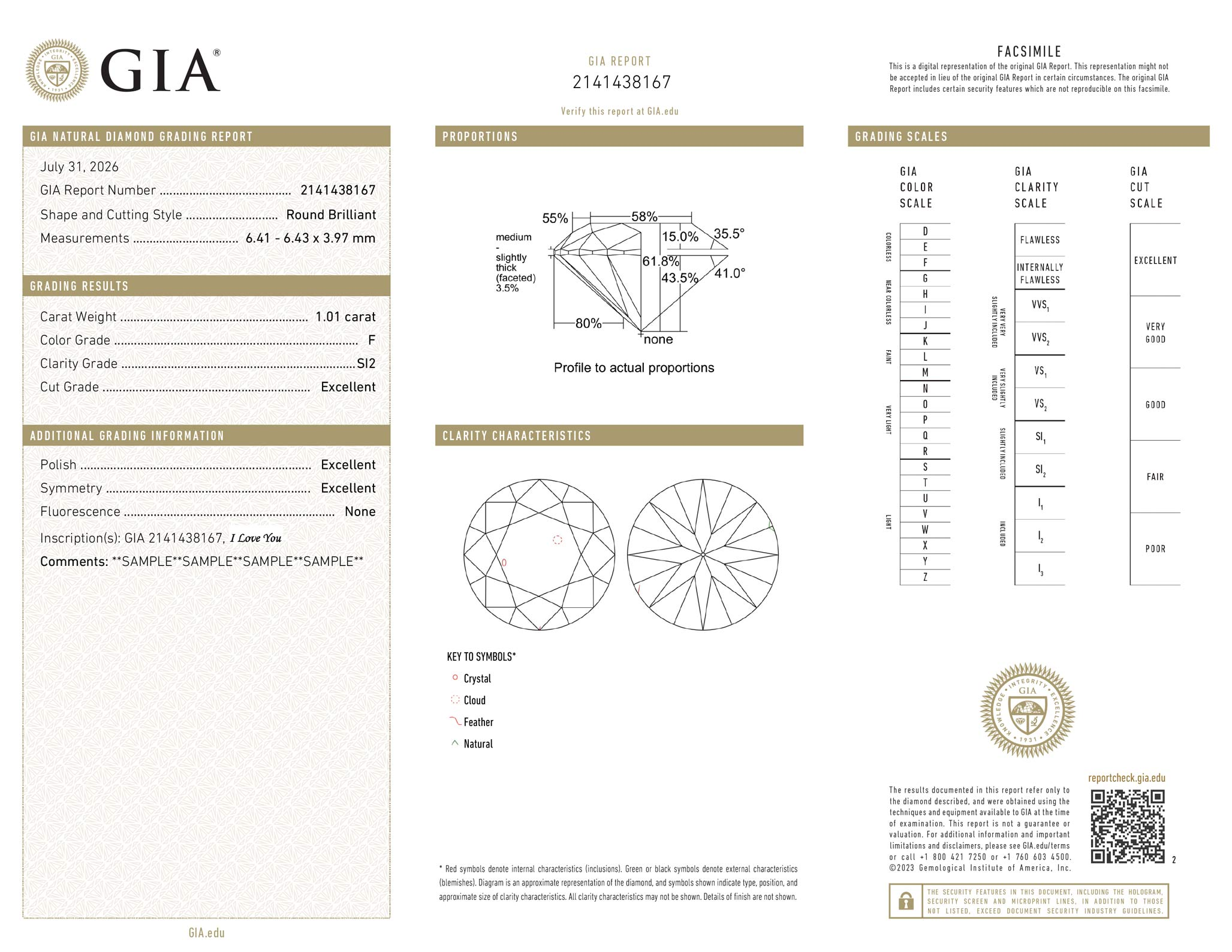
For couples, the useful paperwork begins before a dispute: retain the invoice, grading report, appraisal, insurance records and any written agreement about ownership or an heirloom's return. If the relationship ends, preserve communications about the ring rather than assuming possession or payment settles the issue.
The promise and the property
A ring can remain beautiful after the relationship it represents has ended. Its emotional meaning and its legal ownership are different questions.
Before the wedding, ask whether the ring was conditioned on marriage and which state's law governs. After the wedding, ask how that state treats the completed gift and any later changes to it. Those questions give couples a firmer answer than the price, the blame or the person demanding it most loudly.
*This feature explains selected state laws and decisions. A disputed ring should be reviewed under the law and facts that apply to the couple.*
Care for the ring you keep
For the ring's next chapter, explore Diamond Dazzler Bridal Edition through our jewelry-care collection. Follow the product instructions and your jeweler's recommendations for the setting.
*Diamond Dazzler is Miss Diggs's jewelry-care brand.*