The jewelry business appears to be booming, at least on the surface. The headline number does not tell the full story.
New retail reporting projects that the U.S. jewelry market will grow approximately 6 percent to $93 billion in 2026. At the same time, the number of pieces being sold is reportedly down 8.5 percent. Those figures come from MarketWatch and the data sources it cites, and they are projections and reported data points rather than final results for the year. The original MarketWatch report sits behind a paywall.
Both statements can be true.
Revenue measures how many dollars consumers spend. Unit sales measure how many individual pieces they purchase. If prices rise enough, the industry can generate more revenue while selling fewer items.
The Jewelry Market Is Splitting in Two
MarketWatch describes strength at opposite ends of the business.
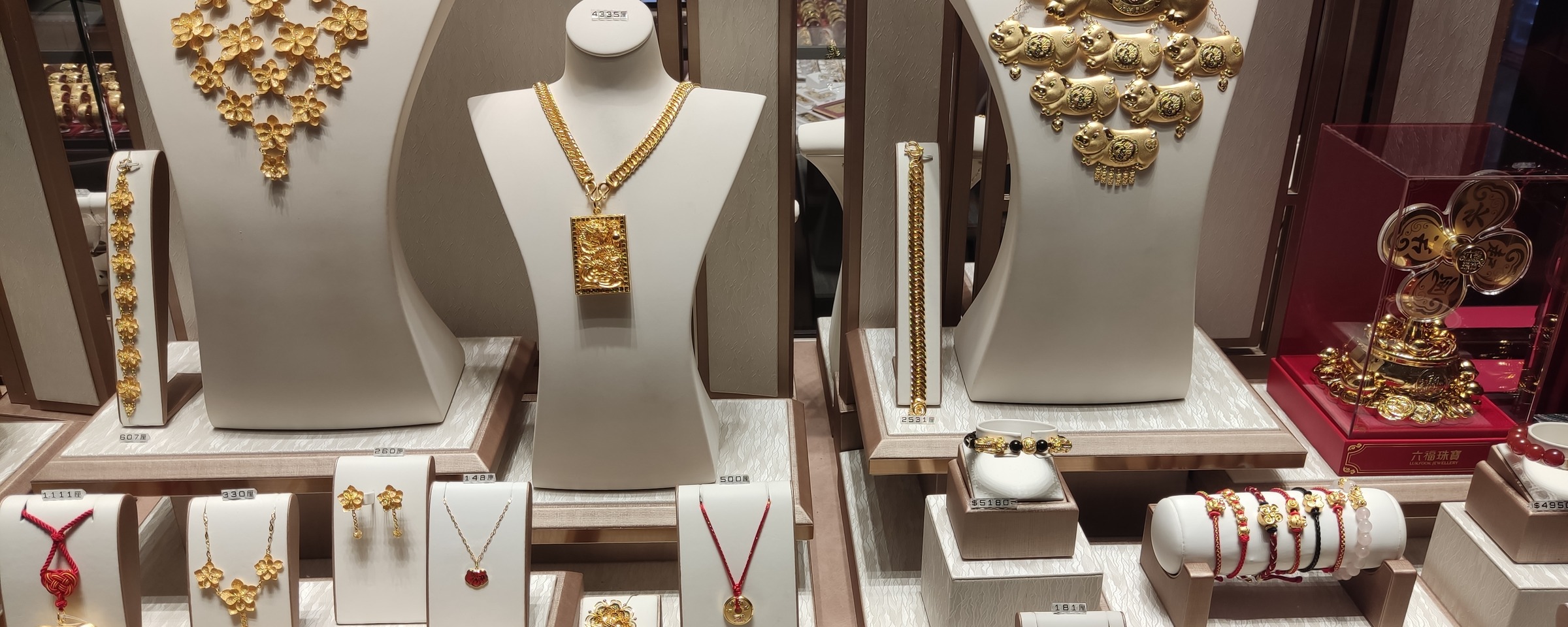
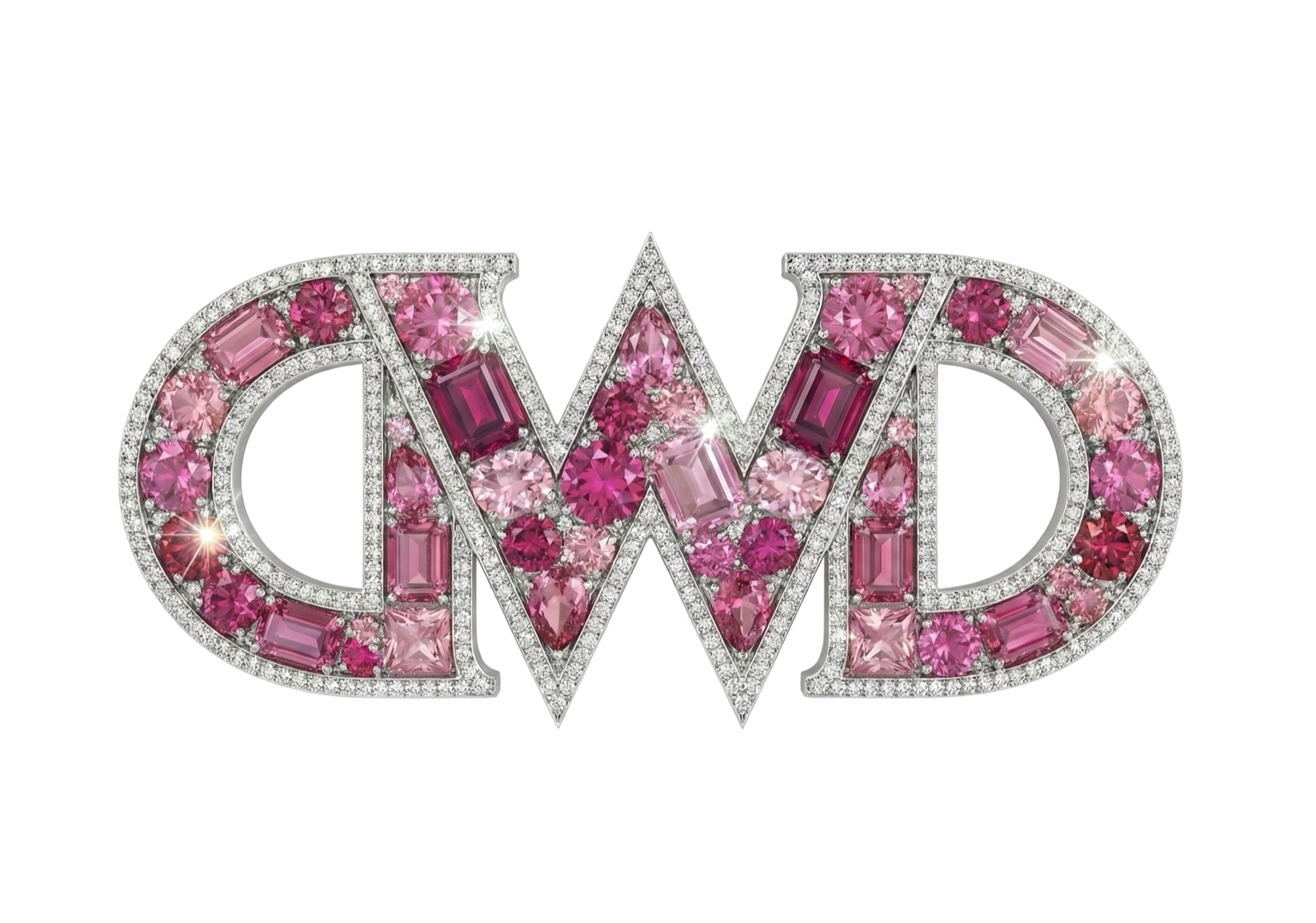
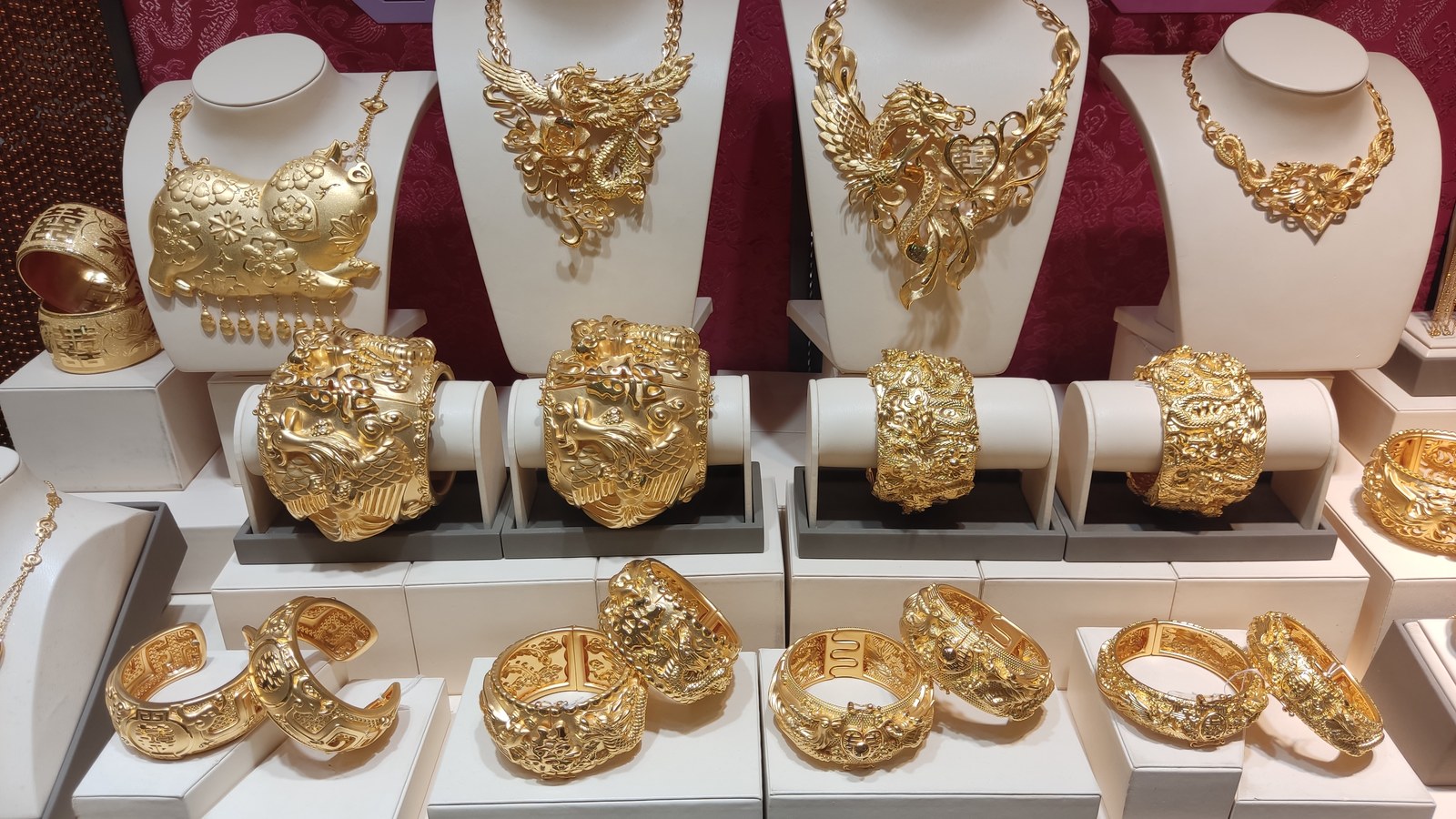
Affluent consumers are continuing to buy expensive statement jewelry, including chunky gold and large colored-stone pieces. Sales of items priced above $2,500 reportedly increased more than 18 percent.
At the other end, younger shoppers, particularly Gen Z, are buying smaller, more accessible pieces as affordable little treats. Bank of America data cited in the report indicates Gen Z jewelry spending rose nearly 11 percent year over year in June.
The middle of the market may be the hardest place to compete. Consumers there are more exposed to inflation and more likely to delay a discretionary purchase, compare prices, or reduce how many pieces they buy.
Why Revenue Can Rise When Unit Sales Fall
Several forces can push dollar sales higher without creating more transactions:
- Gold and other material costs are higher
- Average retail prices have increased
- Wealthy consumers are buying more high-ticket merchandise
- Retailers are carrying higher-priced designs
- Consumers may buy one meaningful piece instead of several smaller ones
This is why "jewelry sales are up" should not automatically be interpreted as more people buying more jewelry.
The Role of Gold
Gold prices are part of the equation, but they are not the entire explanation.
Higher raw-metal costs raise replacement costs and can force jewelers to increase prices, reduce weight, redesign products or accept tighter margins. Finished jewelry also includes labor, alloy metals, manufacturing, stone setting, gemstones, shipping, insurance, overhead and design value.
I have already walked through why a change in the spot price does not immediately change the retail price of jewelry, and the same logic applies to a year of industry numbers.
Why Gen Z Matters
Gen Z's reported increase in jewelry spending does not necessarily mean young consumers are buying traditional fine-jewelry wardrobes.
The little treat pattern suggests that some buyers are using jewelry as an achievable form of luxury: a small pendant, earrings, charm, ring or other expressive piece that feels special without requiring a major financial commitment.
For independent brands, this creates an opportunity, but only if the product feels distinctive. Young shoppers can compare price, materials and design instantly. Generic merchandise is easy to ignore.
What Jewelers Should Take From the Numbers
Retailers should look beyond revenue and ask:
- Are unit sales rising or falling?
- Is average transaction value increasing only because prices are higher?
- Which price points are actually moving?
- Are customers buying solid pieces, lighter-weight pieces or alternative materials?
- Are high-ticket sales coming from a small number of clients?
- Are younger buyers returning after their first purchase?
The strongest retailers will need merchandise at clear, deliberate price levels rather than one broad assortment expected to serve everyone. Nothing in this reporting says every jeweler is profitable or that every category is growing.
What Consumers Should Understand
A higher retail price does not necessarily mean a jeweler is earning a larger profit. The cost of replenishing gold inventory, paying skilled labor and operating a business can rise even while customer traffic or unit sales decline.
Consumers should compare karat, gram weight, construction, craftsmanship, stone quality and service, not price alone.
The Bottom Line
The U.S. jewelry industry may finish 2026 with more revenue. But if fewer pieces are being sold, that growth is not as broad as the topline number makes it sound.
The real story is a divided market: affordable self-purchase at one end, serious luxury spending at the other, and intense pressure in between.