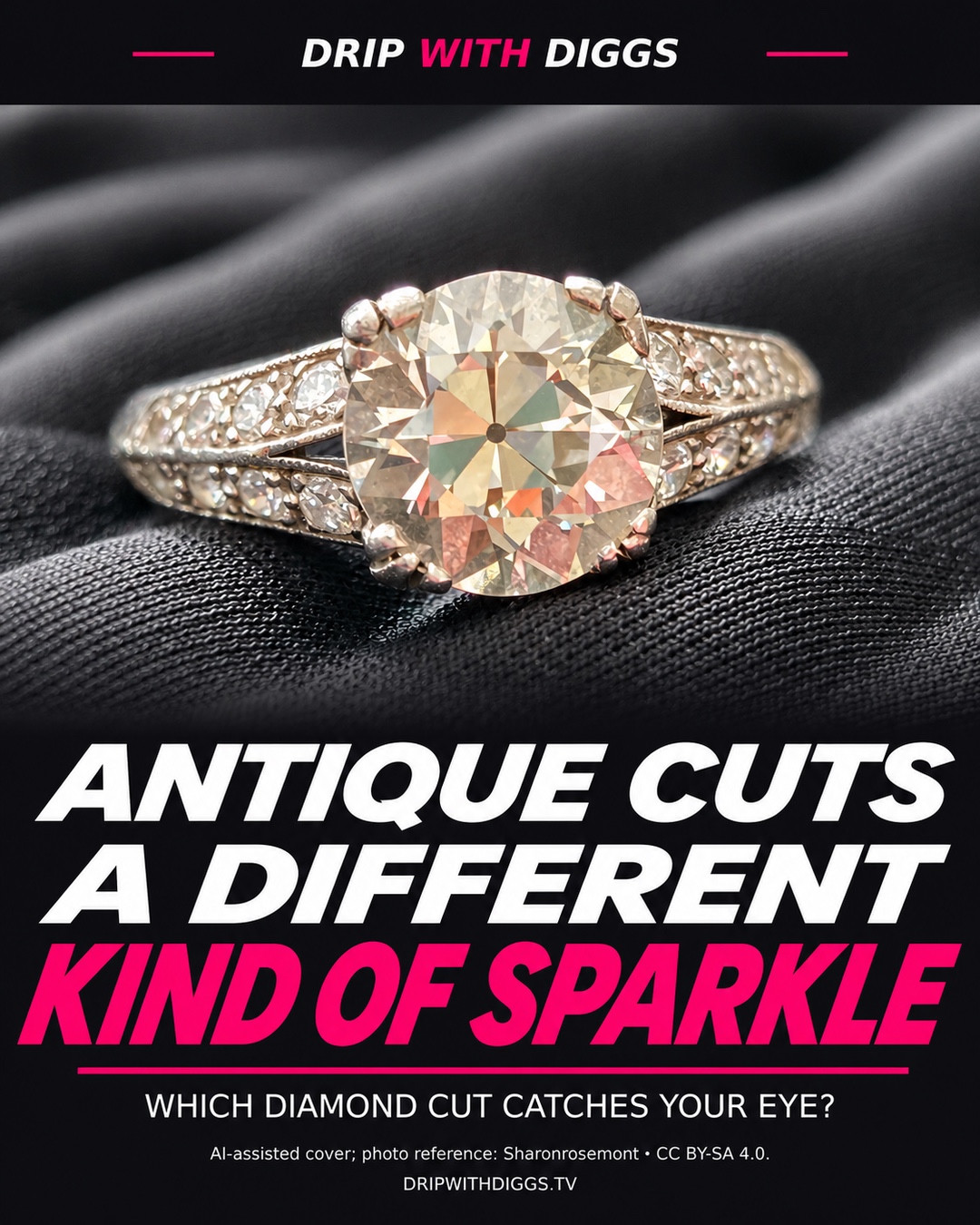
Two diamonds can catch your attention in different ways. You might prefer broad flashes that reveal a stone’s facet pattern, or the lively sparkle of a well-cut modern round brilliant. That preference is a useful place to begin when comparing antique and modern cuts.
GIA’s guide to antique cuts describes the broad flashes associated with old European cuts and the distinctive character of historical cutting styles. The appeal is in the individual stone, not simply the word “antique.”
Start with the facets
The old mine cut often has a softly squared outline. GIA’s old mine cut guide describes a small table, or top facet; a high crown above the stone’s edge; and a relatively large culet, the facet at its bottom. Its hand-shaped proportions can vary from diamond to diamond.
The old European cut is rounder. GIA identifies it as a predecessor to the modern round brilliant, with a higher crown and greater depth than that modern style. Both belong in a comparison of appearance, rather than a contest over which name sounds more prestigious.
For a standard modern round brilliant in the D-to-Z color range, GIA’s cut scale evaluates the combined effects of design, craftsmanship and face-up appearance. Its grades run from Excellent to Poor. Modern cutting alone does not promise an attractive result; the quality of the individual diamond still matters.
Compare them in your everyday light
GIA’s lighting guidance explains that brilliance, rainbow-colored fire and the shifting pattern of sparkle depend on how a stone interacts with its surroundings. Ask to see your options under the same lighting, then move beyond the display-case spotlights.
I would compare the diamonds in conditions closer to everyday wear before choosing. Notice which pattern you enjoy as each stone moves. You are buying something you will keep looking at.
Separate the look from the history
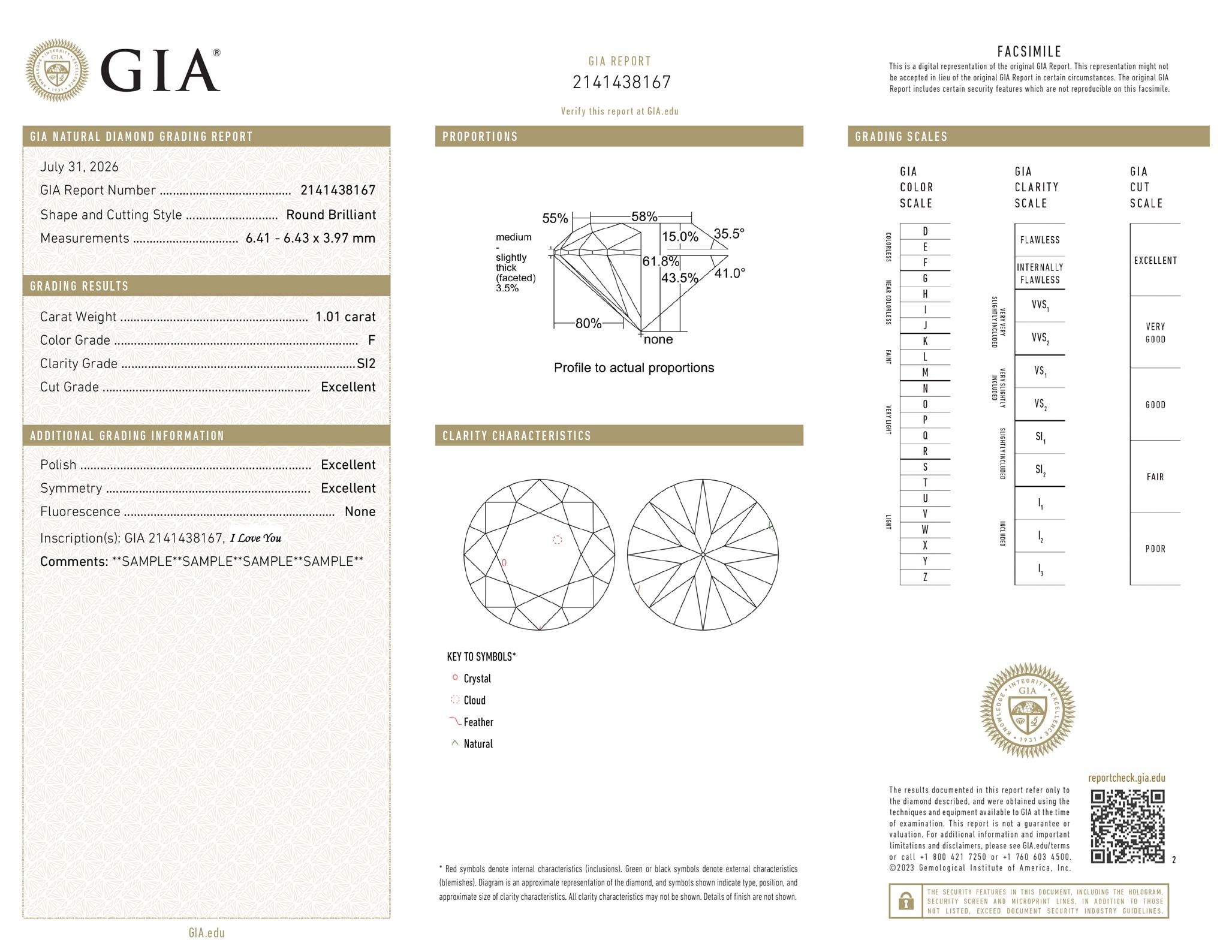
GIA distinguishes original antique or vintage diamonds from newly made pieces designed to reproduce older styles. Its grading report can describe a diamond’s cutting style and quality characteristics, but it does not establish when the stone was cut.
If age is part of what you are paying for, ask what supports the seller’s description. If the look is what matters most, compare original period pieces and modern interpretations on that basis. Be clear about which one you are buying.
About the author
Erica Diggs is a GIA Graduate Gemologist, bench jeweler, GIA-trained 3D CAD jewelry designer and diamond setter. She is the founder and editor of Drip With Diggs.