Before Jason Arasheben had the money to stock a showroom, he sold custom jewelry from designs he drew by hand. A sheet of paper was enough to put an idea in front of a client.
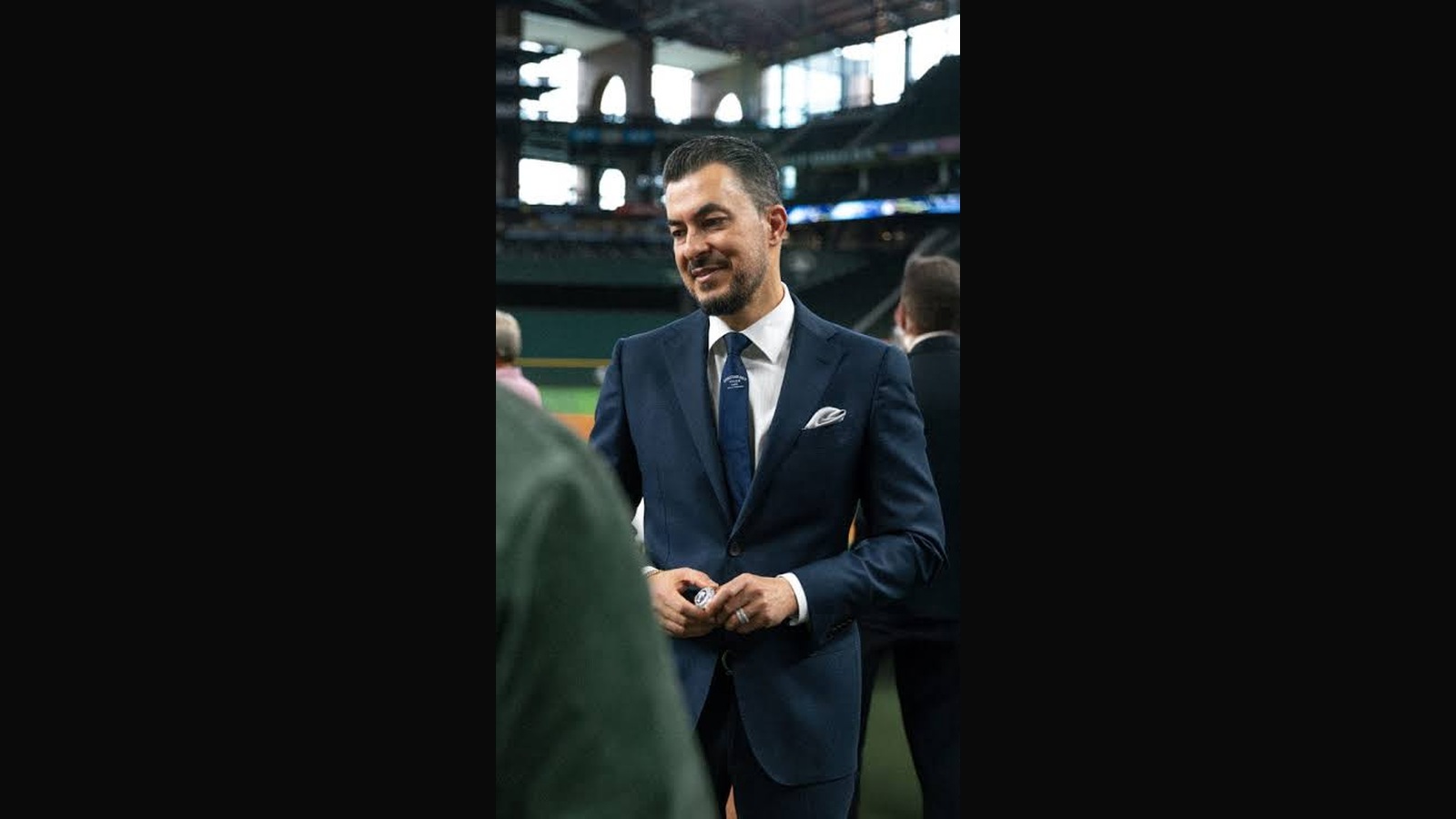
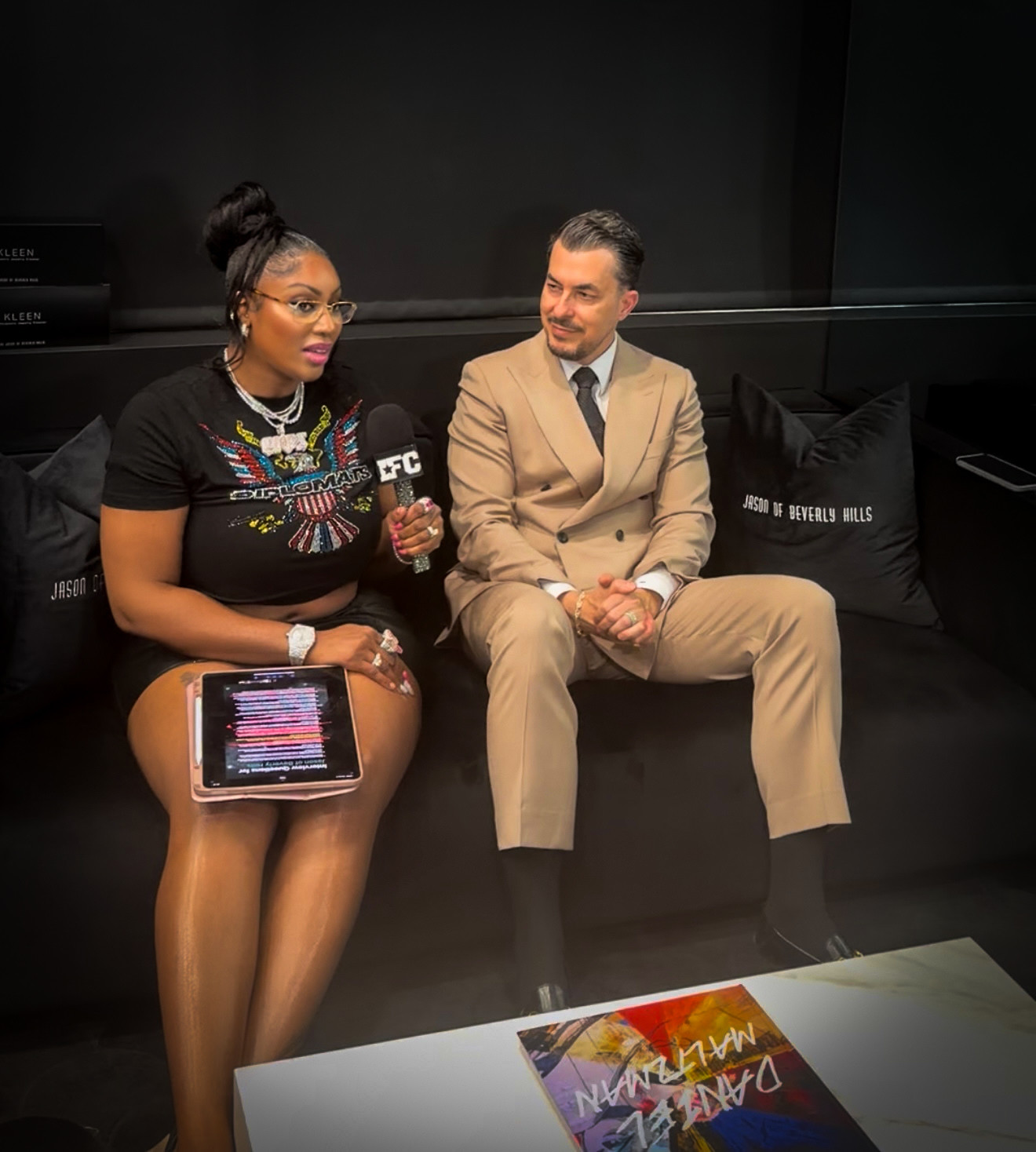
“I had to literally get a pen and paper and draw something out,” the founder of Jason of Beverly Hills told me in our December 8, 2025 interview.
Bespoke work was the practical starting point. Without the money to hold inventory, he had to sell an idea and then figure out how to deliver it. Long before a championship organization placed its trust in him, an individual customer had to believe that a drawing could become a finished object.
That beginning helps explain his approach to jewelry. In our conversation, the discussion kept returning to decisions that are difficult to judge in an Instagram photograph: how stones are set, how prongs are finished, where handwork matters and what a jeweler is willing to compromise to meet a price. The scale of the work has changed. His argument for why it should cost what it costs still rests on the finished piece.
A different way into the game
My introduction to Jason's work came through championship rings, so I wanted to know how he reached that part of the business. His answer began with a childhood ambition to play in the NBA, followed by a blunt assessment of his own athletic ability.
“I can't run, jump. I'm not strong. I'm not fast,” he said of the distance between that dream and his skill set. Jewelry offered another way to stay close to the sports world he loved.
He dates the start of his company to 2002. By the time the Lakers won the 2009 NBA championship, he said, eight players on the team were already his clients. A friendship with Jesse Buss, son of the late Lakers owner Jerry Buss, brought the next opportunity. According to Jason, Jesse asked whether he wanted a chance to make the championship rings.
He wanted the commission. Being ready to manufacture it was another question.
“I really had no business getting a championship ring deal,” he recalled. “I didn't have the infrastructure. I didn't have a setup for it.”
He accepted the challenge anyway. In his telling, the work was to build the capacity after the opportunity appeared, rather than wait for the business to feel perfectly prepared. The Lakers' 2009 commission became a turning point for the company, as the Los Angeles Business Journal later reported.
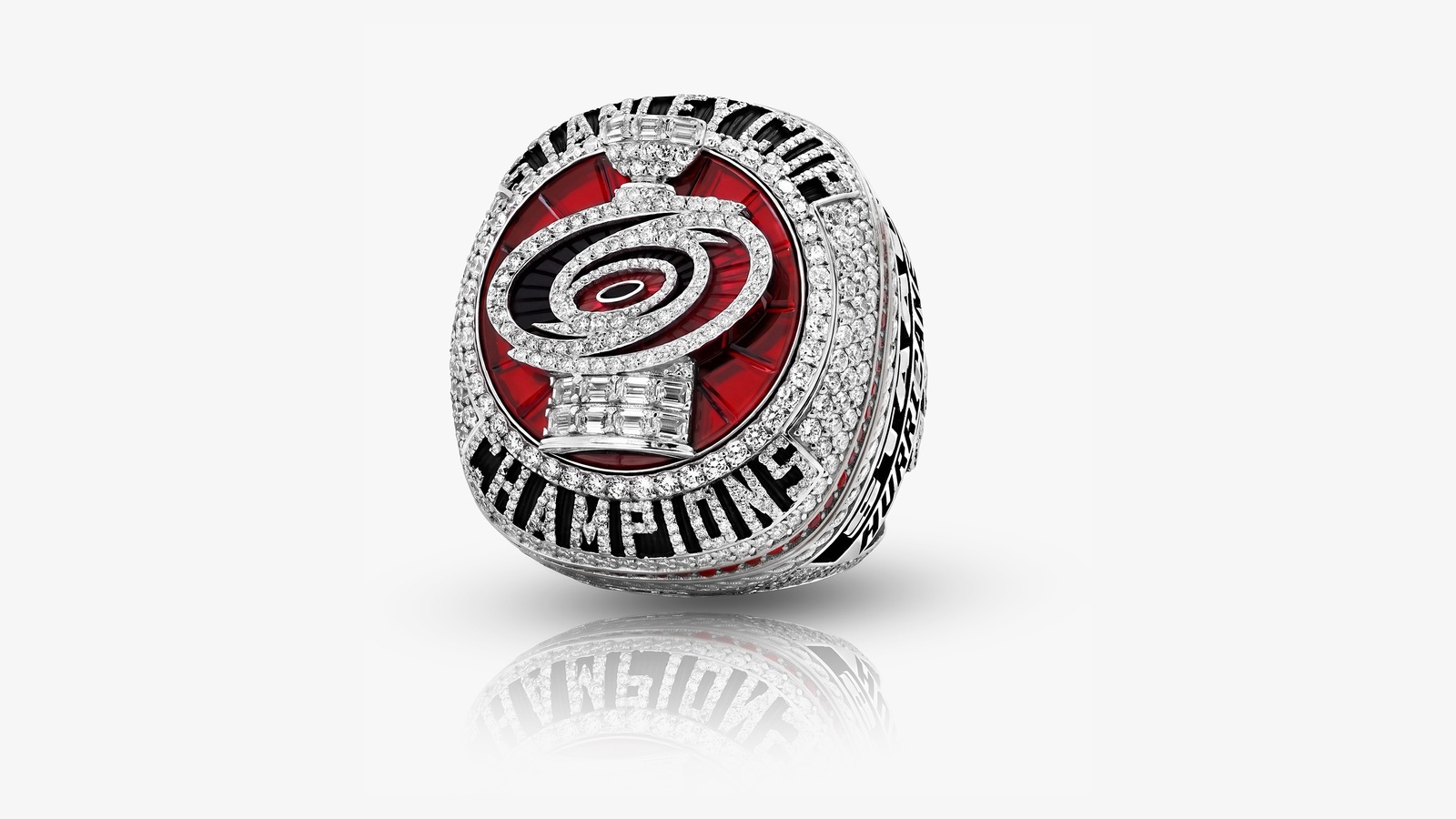
A championship ring brings a different responsibility from a single custom commission. It must give a whole organization a recognizable account of one season. The Lakers' 2009 ring provides a concrete example: GIA's examination of NBA championship rings describes 15 large round brilliant diamonds on the top, representing the franchise's 15th title, and gold alloyed to 15 karat. The number was built into both the design and the material.
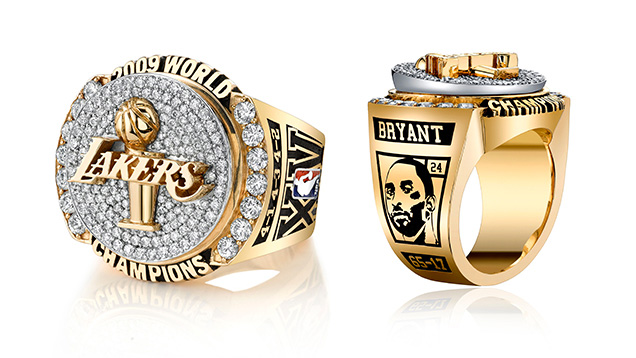
For Jason, the opportunity moved his relationship with sports from individual players to an object that recorded the team's achievement. It also required him to make good on a promise at a scale he had not handled before.
Selling the design before the inventory
That willingness to begin without every resource in place was familiar to me. When I started in bench-jewelry school, I could not afford sterling silver. I worked in brass first, then moved to silver and began building my diamond collection one piece at a time.
Jason described a similar gap between wanting to be in the industry and having the money people assume it requires. Young jewelers call him, he said, convinced that not having enough capital means they cannot start. His early custom sales came from drawings because drawings were what he could afford to put in front of a client.
“I didn't come from a family with money,” he said. “I didn't have money to start it, but I had a passion and I had a determination, and I was able to succeed.”
His early business was organized around custom orders rather than a showroom full of stock. That approach still creates an obligation. The drawing has to be translated into something a customer can hold, wear and examine. Taking the order is the beginning of that work, not its completion.
Where technology meets the setter's hand
I asked Jason about CAD and newer technology because jewelers do not all agree on where the hand should give way to the computer. He does not describe his own approach as a choice between the two.
He likes to combine old-world technique with newer technology, choosing the approach that suits each piece.
In his explanation, CAD is particularly useful when a design demands precise measurements and angles. Other pieces, or parts of their production, benefit from being worked by hand. The company's own description of its manufacturing similarly presents traditional technique and newer technology as parts of the same operation.
The distinction became more concrete when we discussed stone setting. Jason explained the difference between presetting stones in wax and doing more of the setting and finishing by hand. Presetting, he said, can offer speed and efficiency. What interests him is the finish around the diamond: drilling the holes, setting the stones and polishing the prongs.
He said hand-setting, drilling holes and polishing prongs contribute to the shine he wants, allowing both the metalwork and the diamonds to show well.
That is his explanation of the standard he wants his workshop to meet. The prongs belong to the visible surface of a piece, too. Our conversation moved beyond how large a design looks and into the work surrounding each stone, the part of the object a setter sees at close range.
From my own experience working in New York's Diamond District, I recognized the production trade-off he was describing. A design can be striking on a screen while still leaving difficult decisions at the bench. CAD determines much of the geometry; the finish is something the customer encounters in the completed jewelry.
Jason acknowledged that his approach may make his work more expensive. He wants the difference to be apparent when a client compares the finished objects.
Jason also designed Golden State's 2022 championship rings, which the Warriors received on October 18, 2022.
What the price has to support
Competition was the next part of his explanation. Jason sees a crowded market for sports and entertainment clients, with price increasingly used to win commissions. In his view, the danger begins when a jeweler reduces the work to fit a number while still promising the same result.
He named setting, workmanship and quality as the areas where that pressure can show. He wants clients to recognize the care that went into the piece when they hold it in their hands.
He wants a client holding his piece beside another to recognize the difference and understand why it cost more.
He also described recruiting experienced diamond setters internationally, including people he said had previously worked for Cartier and Tiffany. The emphasis was on the skill available at the bench, rather than the design software alone.
There is a direct line from that argument back to his earliest hand-drawn orders. The drawing creates an expectation. The jeweler's reputation depends on whether the object fulfills it. For Jason, repeatability is part of the value: a client should know what standard to expect when returning for another commission.
A New York championship, made in Beverly Hills
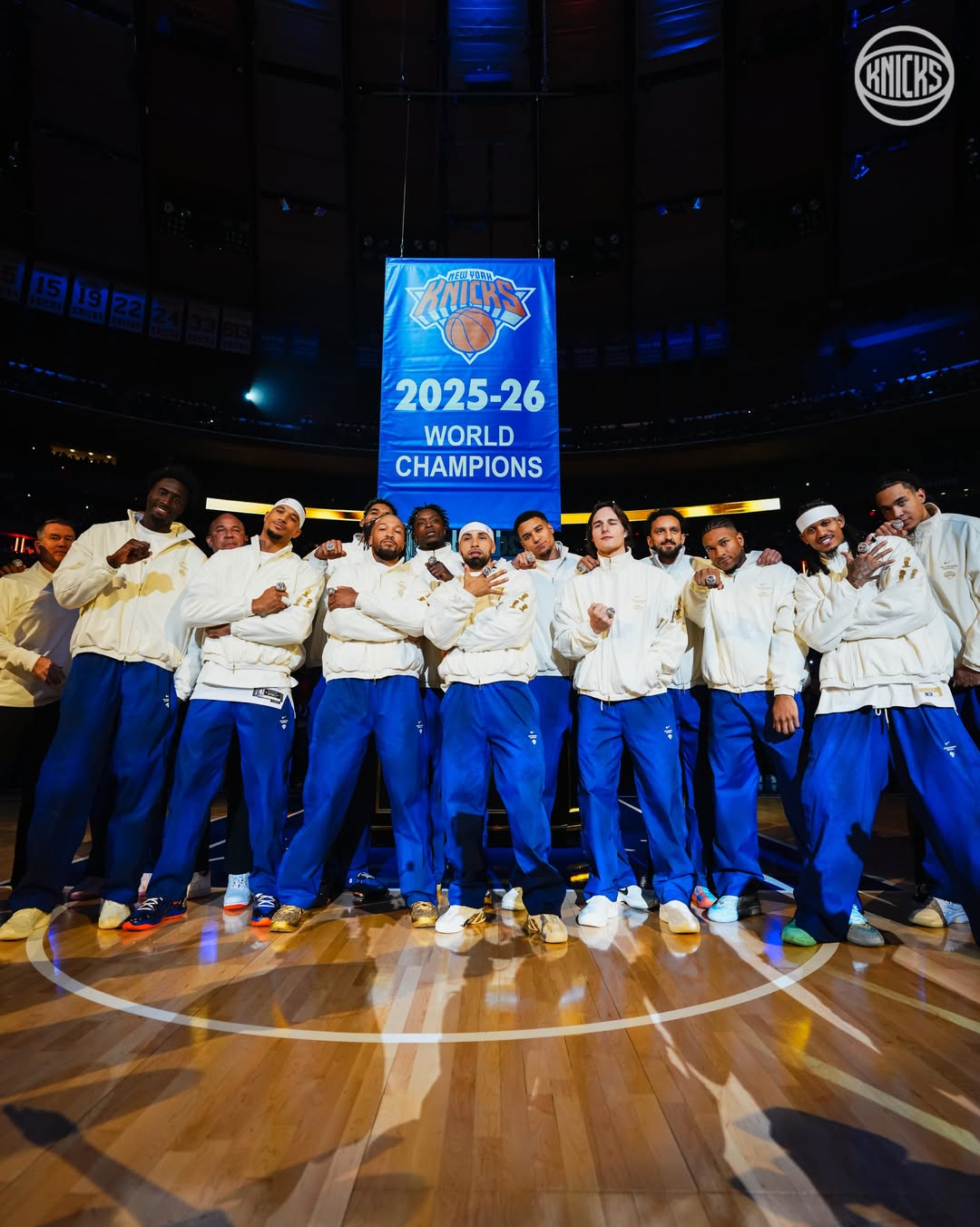
Since we sat down, Jason's championship-ring work has reached another major milestone: the New York Knicks' 2026 NBA championship rings. The team unveiled them at Madison Square Garden on October 20, 2026. The Los Angeles jeweler created the rings with Knicks leadership, according to MSG Sports' announcement.
The design brings the team's home arena into the jewelry itself. A mechanism raises a miniature Madison Square Garden exterior, while the ring opens to reveal the arena's lower bowl. MSG Sports describes white gold set with nearly 800 diamonds and sapphires totaling 22 carats, with details celebrating the roster and championship run.
For the jeweler who once had to build his manufacturing capacity around his first Lakers order, the Knicks commission is another chapter in that relationship with basketball. Our conversation about getting his first championship-ring deal took place months before the Knicks rings were unveiled.
A firm position on natural diamonds
When I asked about laboratory-grown diamonds, Jason's answer was unambiguous. “I don't use lab at all,” he said. He also said he does not work in 10-karat gold.
For Jason, that choice is closely connected to how he thinks about value for his clients. He said falling lab-grown diamond prices concern him, particularly when a customer may eventually want to sell a piece or remake it. He prefers to build his jewelry around natural diamonds and the level of workmanship he has described throughout our conversation.
He described putting the best quality he can into each piece as his way of building value for the person buying it.
That is the standard he wants his clients to associate with Jason of Beverly Hills: the materials he chooses, the finish around each stone and the care that goes into the completed piece.
The promise in the finished piece
The most revealing part of our conversation was how often Jason returned to making the object well. The championship-ring opportunity required him to find a way to manufacture more than he had before. His discussion of technology came back to what the design needed. His explanation of price came back to the work a client should be able to see.
At the start, a sheet of paper stood in for jewelry he could not afford to keep in inventory. For him, the finished piece has to justify the confidence placed in that first drawing. For a jeweler whose work is often recognized from across a room, the standard he described is the one that has to survive a closer look.
About the author
Erica Diggs is a GIA Graduate Gemologist, bench jeweler, CAD designer and diamond setter, and the founder and editor of Drip With Diggs.