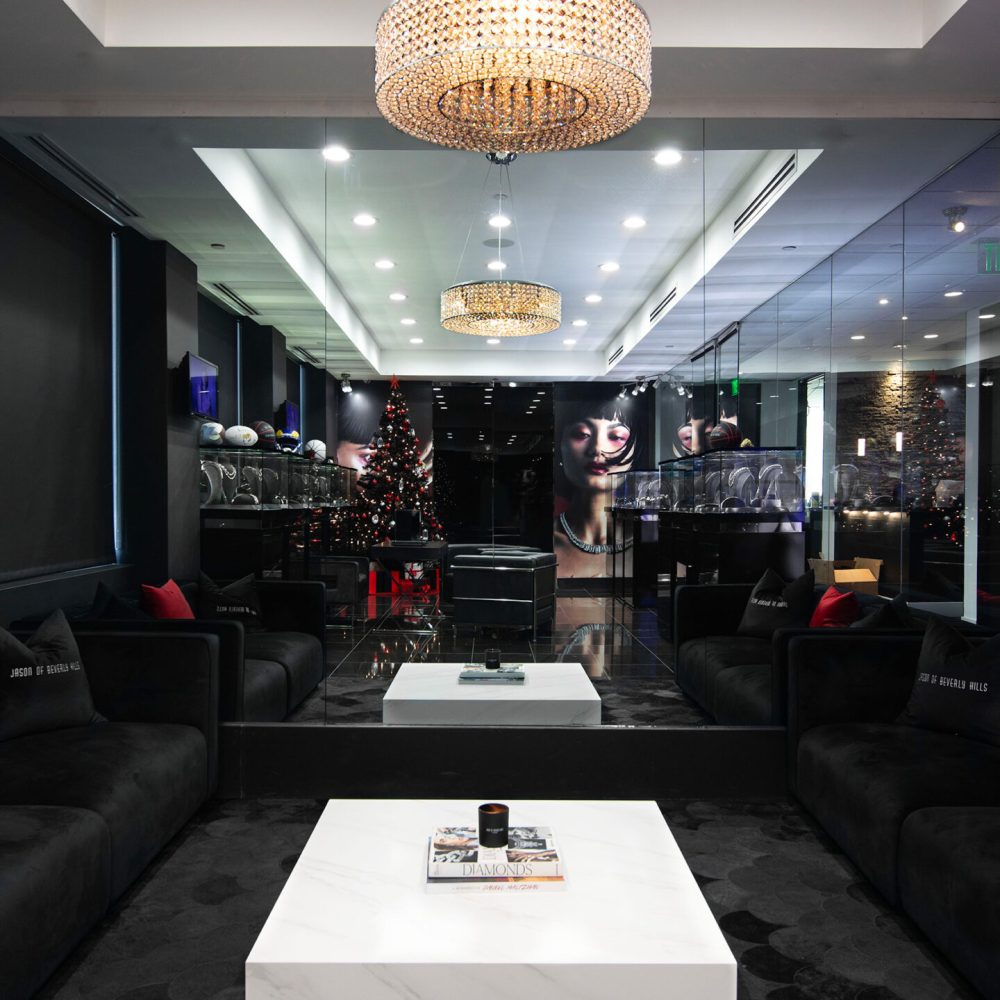
In Season 9 of *Selling Sunset*, a visit to Jason of Beverly Hills turned a conversation about an informal proposal into a close look at custom engagement rings. Episode 7, “A Diamond in the Rough,” aired on October 29, 2025, and placed jeweler Jason Arasheben across the counter from Emma Hernan and Chelsea Lazkani. The moment centered on rare stones, personal taste and what a ring should communicate about the person wearing it.
The interview arrives as a retrospective. Netflix announced the show’s Season 10 renewal on April 29, 2026. Us Weekly later reported Hernan and Lazkani among the cast departures ahead of the new season. Against that transition, Arasheben looks back at the consultation and explains how he approaches a client whose choice will be seen both in private and on camera.
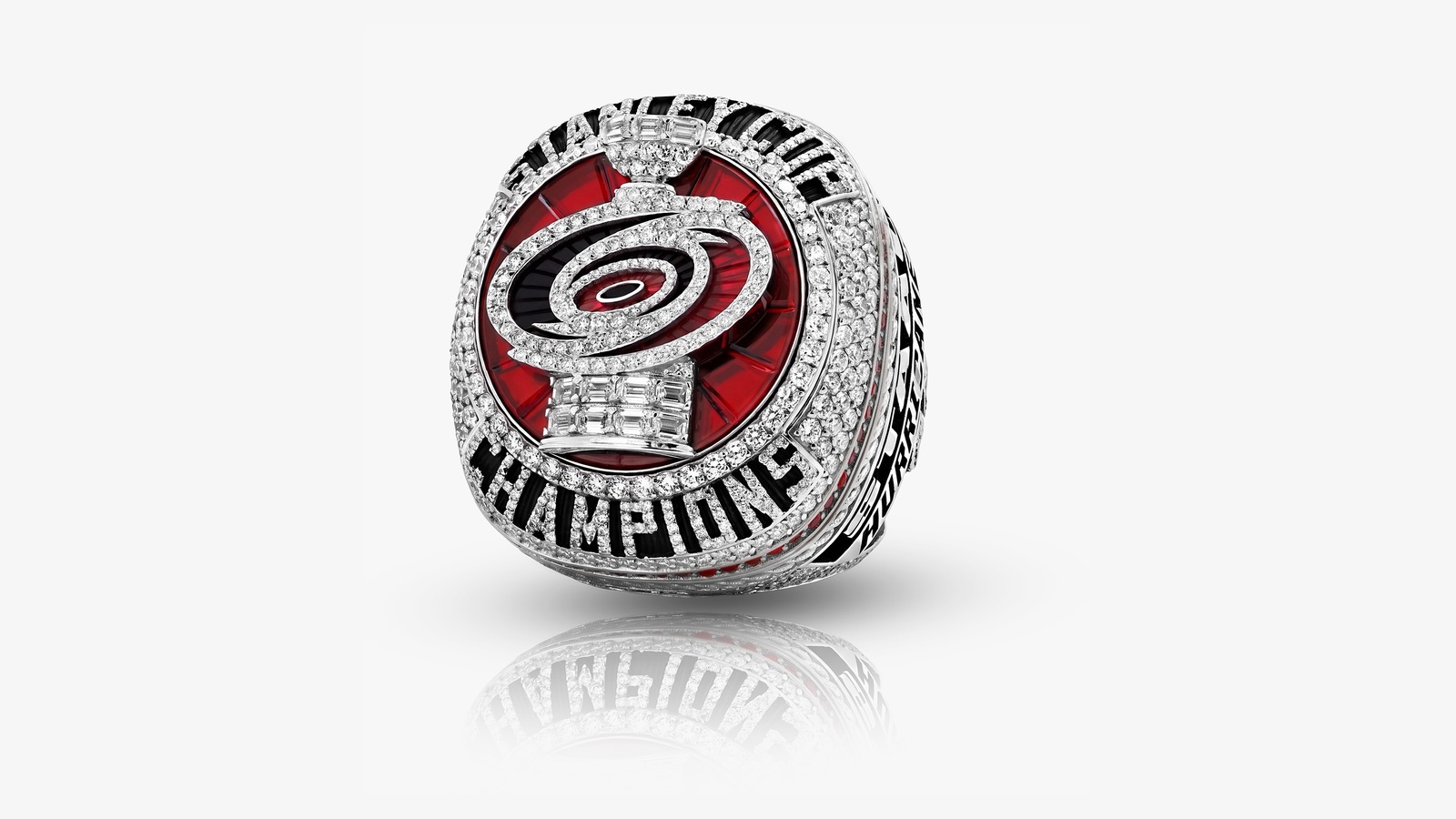
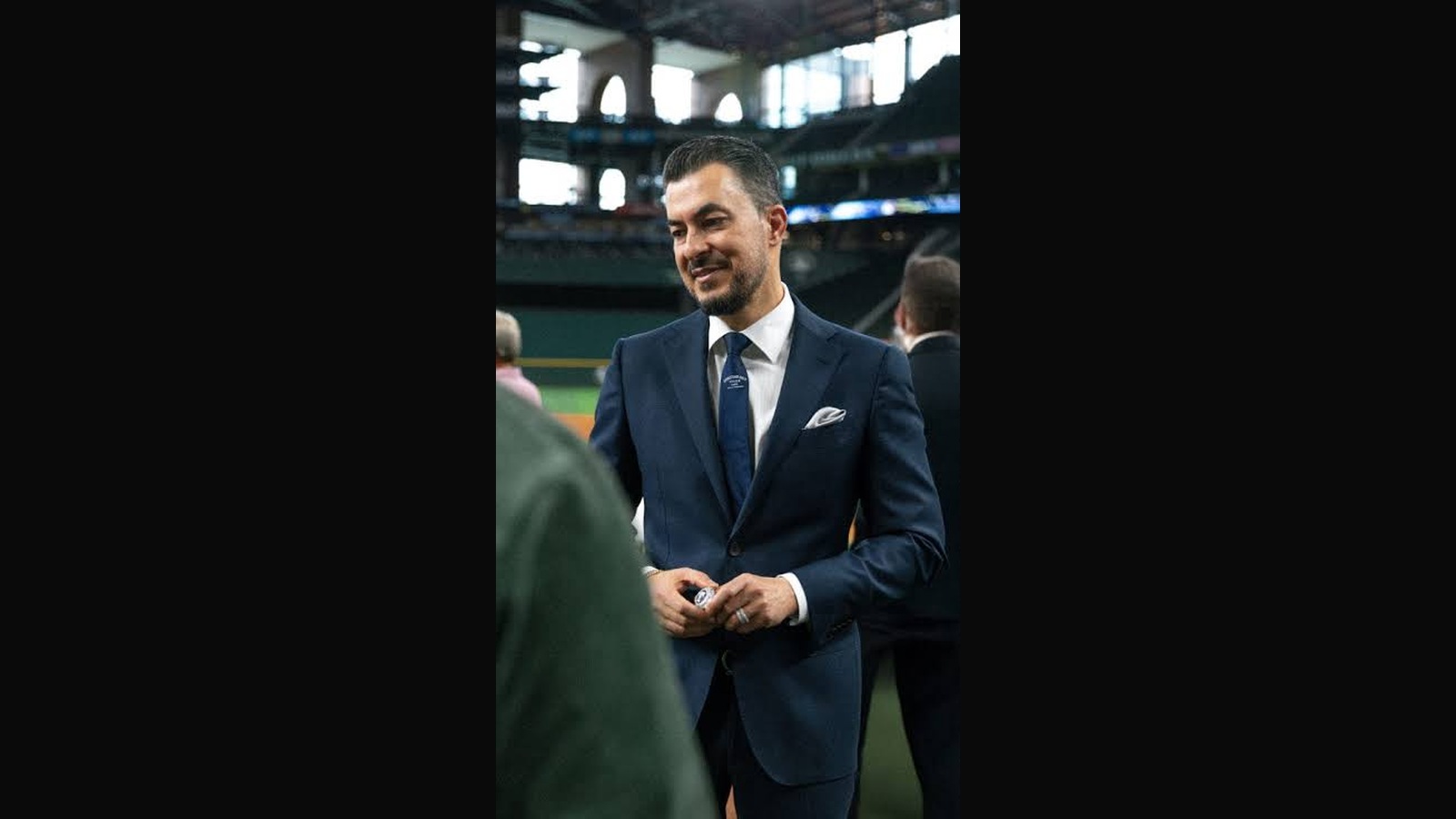
Arasheben, founder of Jason of Beverly Hills, has also designed championship rings and custom pieces for athletes and entertainers. Here, his focus is the difference between designing for one person and creating a ring expected to carry the story of an entire team.
The Interview
Brandon "Scoop B" Robinson: You showed Emma Hernan some serious stones on Season 9 of Selling Sunset, including that canary yellow diamond. How did you decide which pieces to bring for her, and what does the process look like when you’re styling a ring for someone on camera?
Jason Arasheben: I knew I needed to bring something that was going to be impressive and something that you’re not going to walk into a neighborhood jewelry store and see. These girls are used to seeing the best and the most exclusive, so I knew I couldn't disappoint and come with an everyday ring that you see in a mall. I wanted to bring something rare, something difficult to get, something that would garner attention, and a ring that she would never forget.
Brandon "Scoop B" Robinson: Emma had a casual proposal without a ring, and Chelsea was hyping her up to hold out for something extravagant. When a client comes to you after the proposal, how do you guide them toward a ring that fits their personality and not just the biggest price tag?
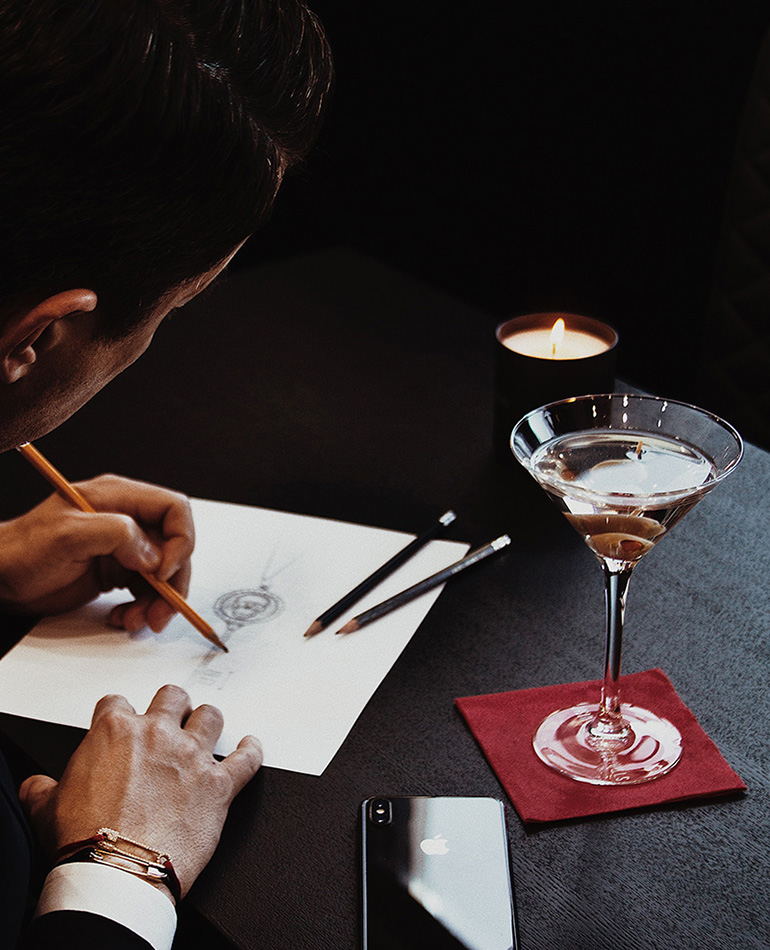
Jason Arasheben: I always try to analyze them. I do a deep dive into every single client I have. I want to be able to create a ring that fits their personality and communicates the identity that they want to communicate to the world. Some people have very eccentric tastes, so I look to design something more eccentric. Some people have very traditional tastes, so I do something a bit more conventional. Some people are very flashy or boastful, while some people are very demure and not as flashy. I try to have their personality dictate the design that I present to them. A good jeweler goes through that process with each and every client instead of just trying to sell the most expensive ring. Instead, you should be trying to sell the ring that's best for them.
Brandon "Scoop B" Robinson: The scene got a lot of fan reaction online. What is it like to have your work featured on a show with that kind of audience, and does TV exposure change who walks through your door?
Jason Arasheben: TV exposure definitely changes who walks through our door because there are a lot of eyes on that particular segment. We work so hard for so many years, so it's always a blessing and an honor to have my work featured. It's the icing on the cake. After years of hard work, to be able to see my work featured on national television is a dream come true.
Brandon "Scoop B" Robinson: Colored diamonds like that canary yellow stone seem to be having a moment. Are you seeing more clients move away from traditional white diamonds, and what do you tell someone considering one?
Jason Arasheben: I definitely have seen a major shift in that. In the last five years, with the advent of lab diamonds, white diamonds have gone down in price, but it's actually been the opposite for colored diamonds. Pink diamonds, blue diamonds, and yellow diamonds have all gone up in value during that same period of time. From an investment standpoint, I'm not only looking to give the client a ring that is beautiful in design, but I also look at it from an investment standpoint to make sure that they're buying a ring that's not going to depreciate in value and will actually appreciate.
Arasheben’s comments express his professional opinion. The Fancy Color Research Foundation’s index tracks wholesale market prices for qualifying fancy color diamonds. Its reports show that performance varies by color, saturation, size and period. Movement in a wholesale index does not guarantee a return on the future retail resale of an individual stone or finished ring.

Brandon "Scoop B" Robinson: You’ve worked with athletes, entertainers, and now reality TV stars. How does designing for a Selling Sunset personality compare to creating a championship ring or a piece for a pro athlete?
Jason Arasheben: It's similar, but also different at the same time. When you're designing a championship ring, you're trying to design a ring that tells multiple stories: the story of the team, their season, the organization, the city, and its fans. You need to design a ring that is going to be appreciated by a multitude of personalities and styles, everyone from the owner to the players to the fans. Whereas when you're doing an engagement ring, you're really trying to appease the personality and style of a single person. Also, the sheer size of a championship ring allows us to do a lot more storytelling. An engagement ring needs to be something that's timeless and doesn't necessarily tell a story in its content, but tells a story in its design.
One Client, One Design
Across all five answers, Arasheben returns to one principle: the wearer should determine the design. The television scene made the scale and color of the stones visible, but his account places the consultation before spectacle. Taste, personality and the way a client wants to present herself shape the direction of the ring.
That approach also clarifies the contrast with championship work. A team ring must hold many layers of collective meaning. An engagement ring is narrower and more intimate. For Arasheben, its story lives in the design choices made for one person, whether the consultation happens privately or in front of a television crew.