I have watched customers apologize for the diamond they could afford. They lower their voice before saying the stone is included. They explain that it is not colorless, not large, not natural, not the grade somebody online said an engagement ring should have.
That shame did not come from gemology. It came from turning a technical grading system into a social hierarchy.
All diamonds matter. That does not mean all diamonds have equal rarity, durability, beauty or market value. They do not. It means a diamond can be honestly described without using its report to rank the relationship, the budget or the human being wearing it.
First, H color is not I clarity
The alphabet causes confusion, so let us separate two scales.
On the GIA D-to-Z color scale, H is in the near-colorless range. Color grading evaluates the relative absence of color under controlled conditions. An H diamond may show warmth depending on its size, shape, mounting, lighting and the observer, but H is not a clarity grade.
GIA clarity runs from Flawless through Included. I1, I2 and I3 are the Included clarity range. Clarity grading considers the size, number, position, nature and relief of internal inclusions and surface blemishes, along with their effect on the stone’s overall appearance.
So “H, I1” can describe one diamond: H color and I1 clarity. Calling an H-color diamond “I clarity” combines different characteristics and prevents an informed comparison.
Included does not mean meaningless
An I-clarity diamond can contain inclusions visible without magnification. Those inclusions may affect transparency, face-up appearance or durability. The degree depends on what the inclusion is and where it sits.
A dark crystal under the table can be more noticeable than a pale feature near the girdle. A feather breaking the surface at a vulnerable corner deserves different attention from a contained crystal in a protected area. A heavily included stone can look hazy even if the inclusions are individually difficult to name. Two diamonds with the same clarity grade can therefore present very differently.
This is practical gemology, not discrimination. Some inclusions do create durability risks. A qualified jeweler or gemologist should assess the actual stone, especially before setting, resizing, repair or daily wear. Honest caution protects the client. Blanket humiliation does not.
All diamonds matter does not erase differences. It refuses to turn those differences into shame.
Beauty does not live on one line of a report
A grading report is valuable because it standardizes observations. It cannot predict every viewer’s response.
Cut quality and proportions organize how a fashioned diamond returns light. Transparency determines whether that light moves through clear material or fights a cloud of inclusions. Inclusion placement can make one I1 diamond lively and another visibly distracted. Shape, setting color, prong placement and lighting change what the eye notices. Personal taste finishes the equation.
A warm-toned diamond in yellow gold can look harmonious. A smaller well-cut diamond can command more visual attention than a larger stone with poor proportions. An included antique cut can have a personality that a client would not trade for a technically higher modern stone. None of these preferences cancel market realities. They explain why beauty and rarity are related but not identical.
Treatments must be disclosed because they can affect care, identification and value. A treated diamond is not automatically unworthy. It is a product that needs accurate representation and appropriate handling. The buyer deserves to know what changed, whether the treatment is permanent under normal wear and what care limitations apply.
Natural, laboratory-grown and simulant are different categories
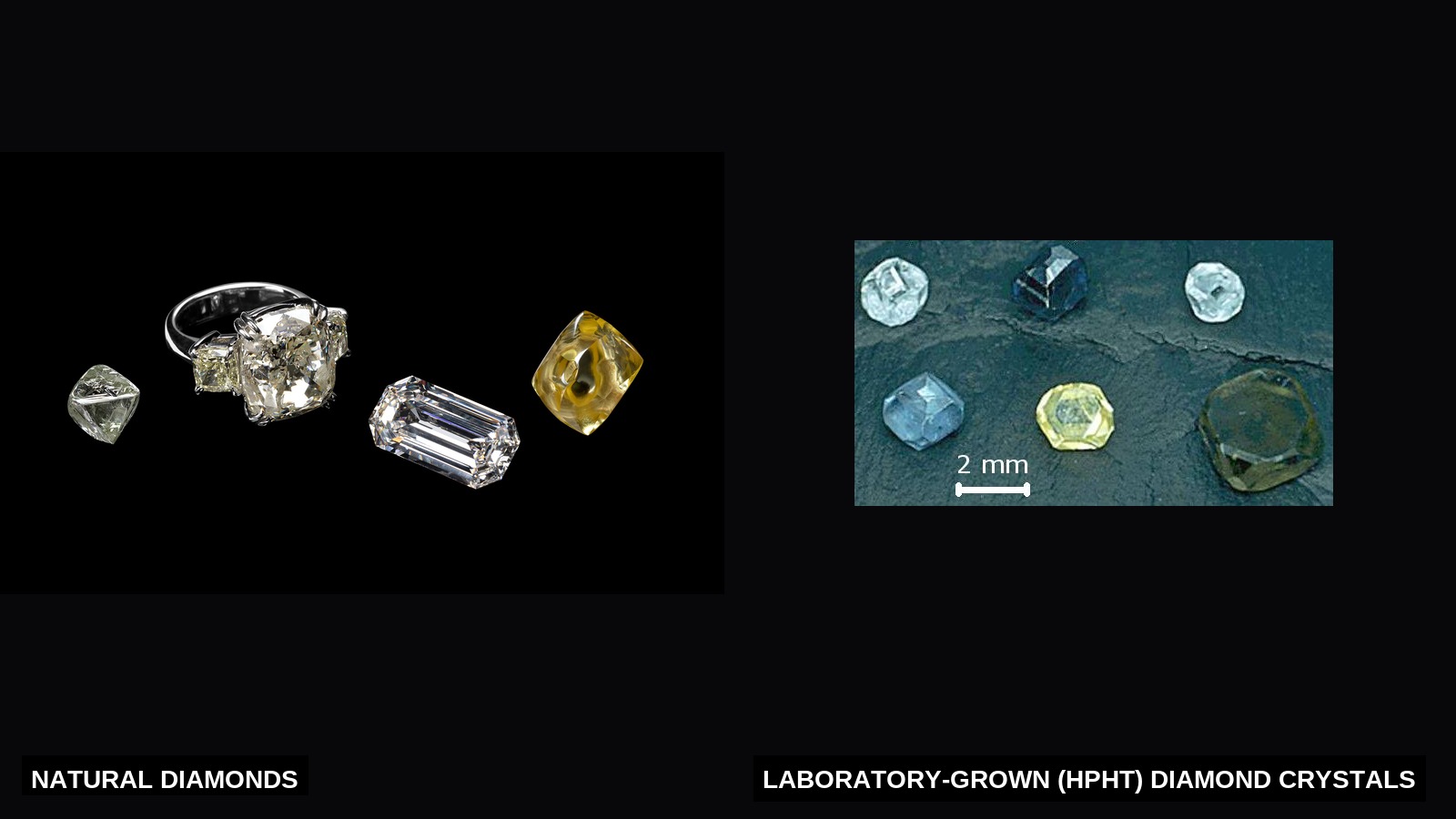
Natural diamonds crystallized within the Earth. Laboratory-grown diamonds are created through HPHT or CVD processes and are diamond material. They share diamond’s core chemical and physical identity, but origin, growth features, supply and market behavior differ. Proper gemological laboratories can separate them with suitable testing.
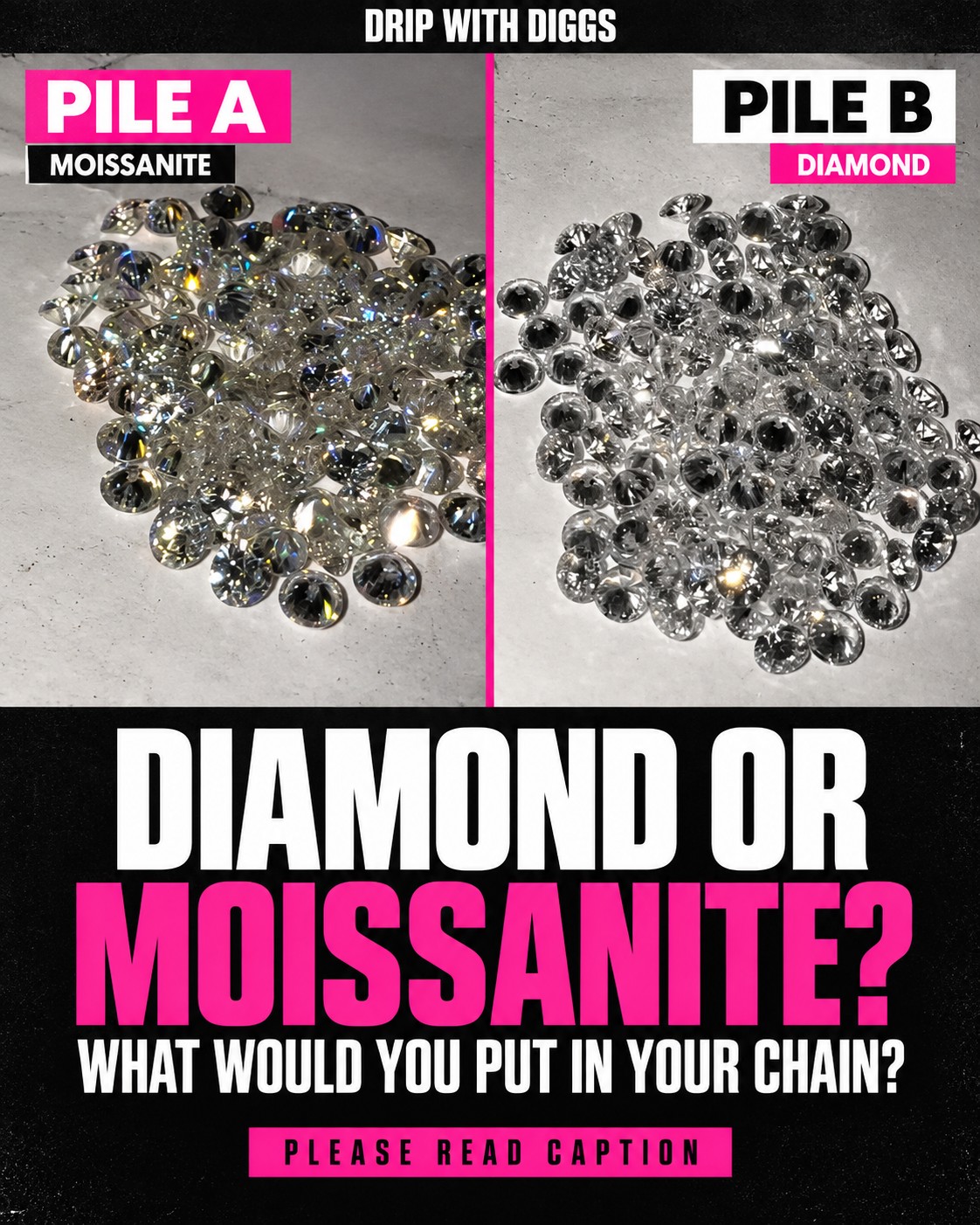
A simulant only imitates diamond’s appearance. Moissanite and cubic zirconia are different materials. Calling a laboratory-grown diamond “fake” is technically wrong. Calling a simulant a laboratory-grown diamond is also wrong. Clear disclosure protects every category and lets consumers choose according to budget, values and expectations.
Natural and laboratory-grown diamonds do not necessarily behave the same on resale. Market price, production capacity, rarity narratives and buyer demand differ. No origin is a guaranteed investment. Buy the stone with its identity and financial behavior explained, not hidden behind a moral speech from either side of the counter.
Size and budget are not character tests
An engagement ring is not less meaningful because the center is small, included, warm-toned, treated or laboratory-grown. A realistic budget is not a failure of love. It is a boundary, and good design works within boundaries.
A jeweler can use a halo, cluster, bezel, bright-cut setting, contrasting metal or a carefully chosen shape to create presence. We can prioritize cut, protect a vulnerable area, position a prong over a distracting feature or select a mounting color that welcomes warmth. Bench work and design judgment can do more for daily enjoyment than buying a paper grade for strangers.
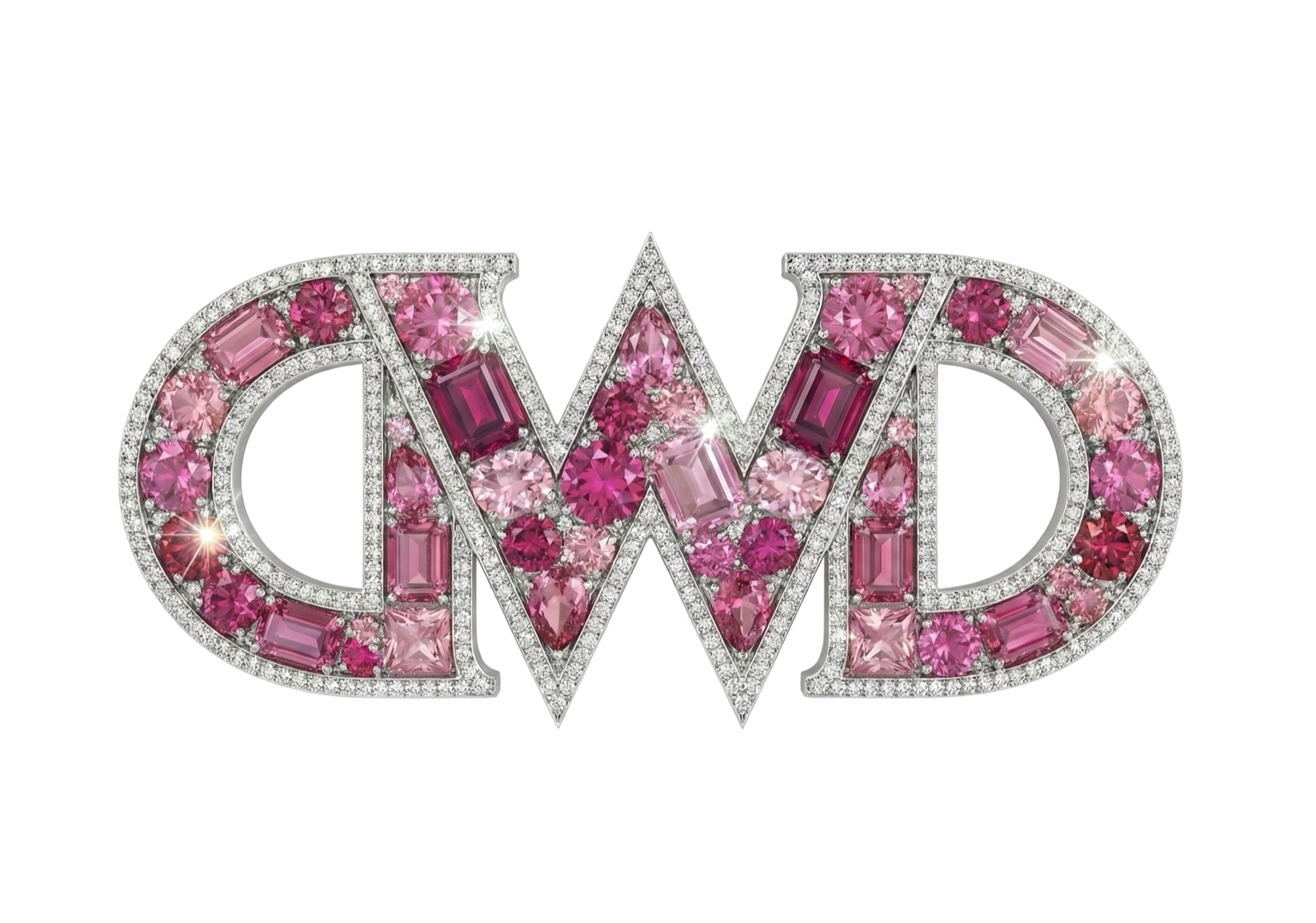
There is also no obligation to choose diamond. Sapphire, ruby, spinel, moissanite and many other gems can make meaningful rings when their durability and care needs fit the wearer. Consumer education should expand choices, not replace one status rule with another.
Diamonds also work for a living
Industrial diamond is not a consolation category. Diamond’s hardness, wear resistance, thermal conductivity and optical properties support real technologies.
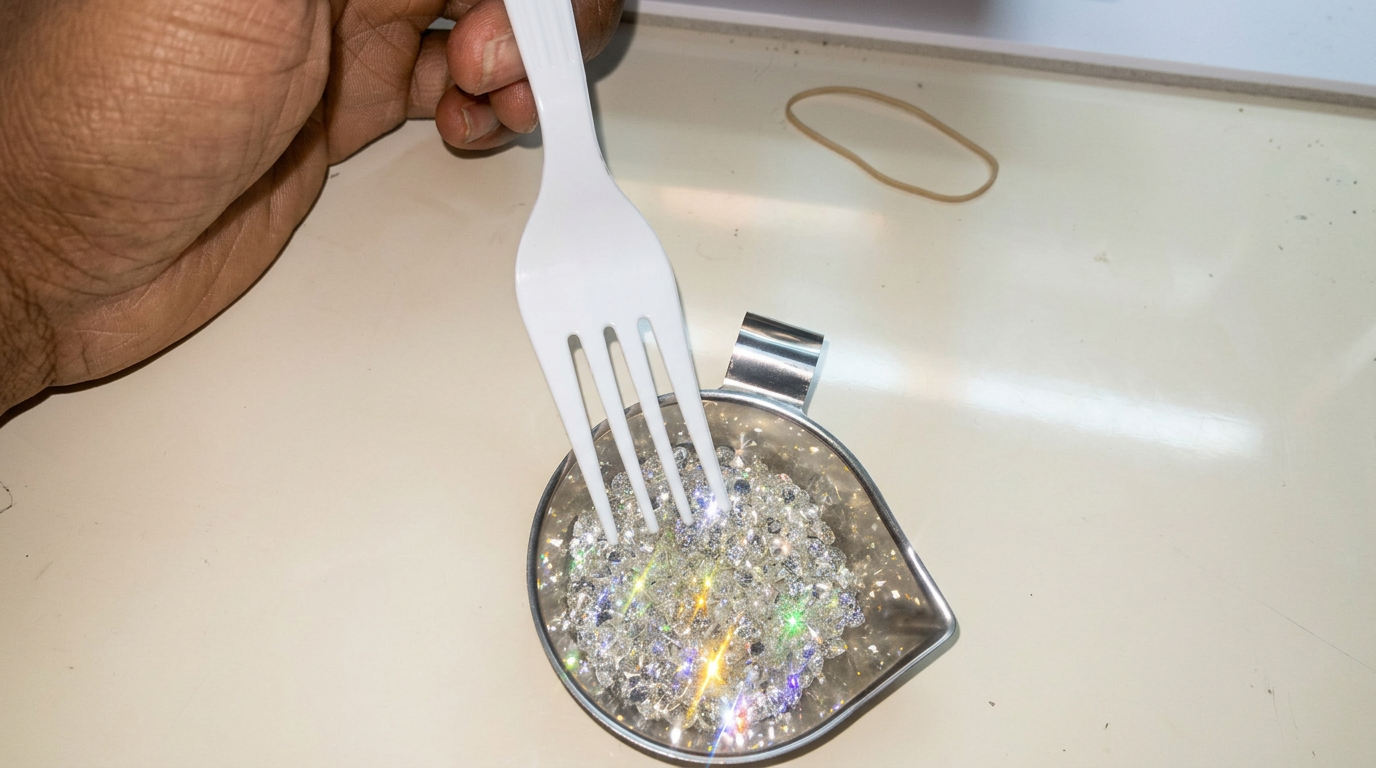
Established uses include abrasives and tools for cutting, grinding, drilling and polishing. Diamond coatings and wear-resistant components can extend tool life. Synthetic diamond can spread heat in demanding electronic and optical systems. Diamond optical windows can operate in harsh environments or across useful wavelength ranges. Specialized diamond devices are used in radiation detection, and diamond-anvil cells generate extreme pressures for scientific research.
Some advanced uses are still emerging rather than ordinary consumer infrastructure. Diamond semiconductors are being researched for high-power and high-temperature electronics. Nitrogen-vacancy centers in diamond are important to quantum sensing and quantum-information research because their spin states can respond to magnetic, electric and thermal environments.
Those facts do not mean a jewelry reject is literally installed in every phone. Industrial applications use material selected or manufactured for specific performance. The honest point is better: diamond has value beyond ornament, and its usefulness is measurable without inventing a gadget slogan.
Conclusion: read the certificate, then look at the diamond
Grades matter. They help describe rarity, guide pricing, identify potential concerns and create a common language. They should inform the purchase, not bully the purchaser.
Have an included stone assessed for durability. Ask whether treatments are present. Confirm whether the diamond is natural or laboratory-grown. Separate diamond from simulant. Then look at the stone in realistic lighting, understand the price and choose with your own priorities intact.
Do not let status marketing make you ashamed of the diamond you chose, inherited, could afford or simply love. All diamonds matter.
The certificate describes the diamond. It does not describe the relationship.