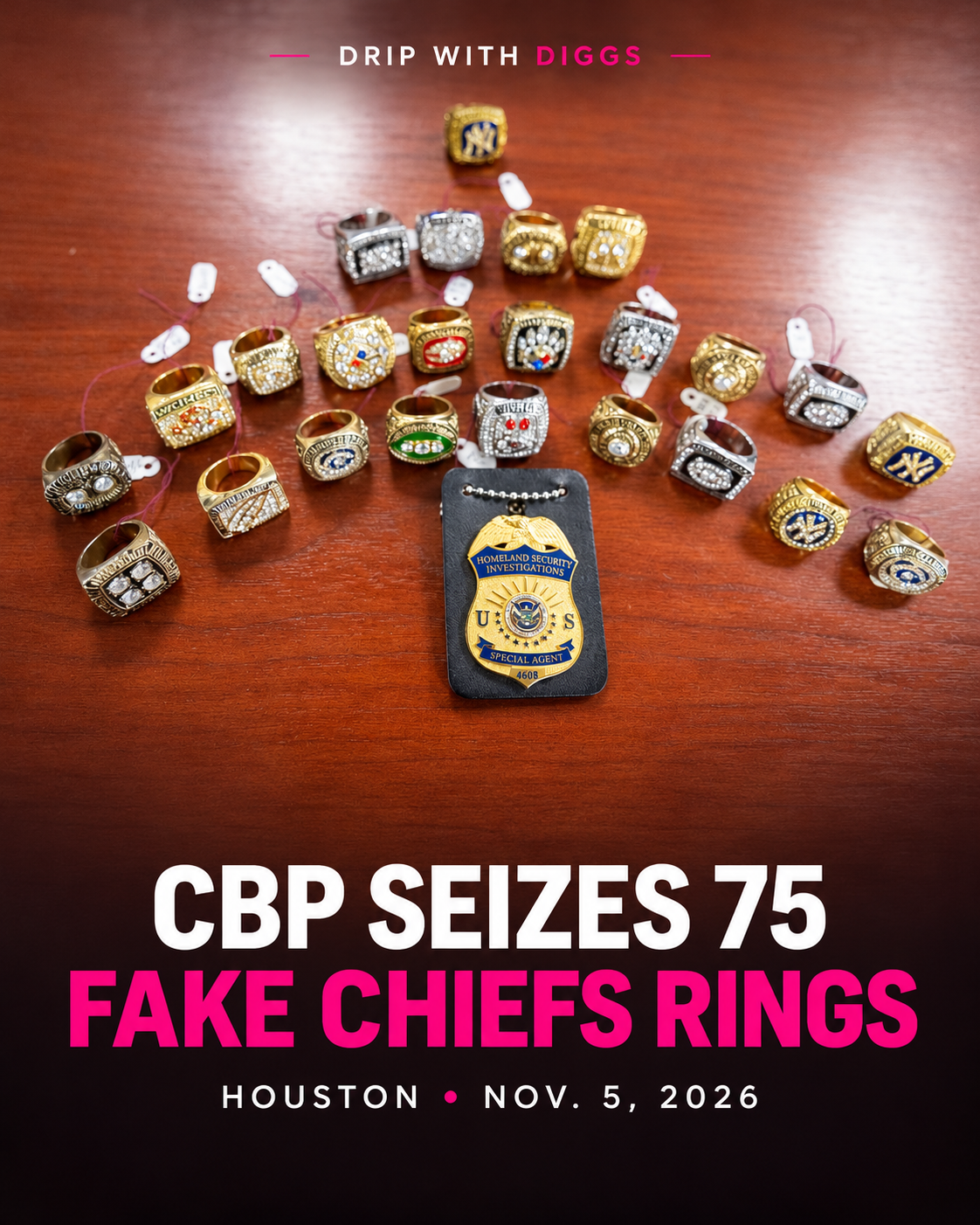
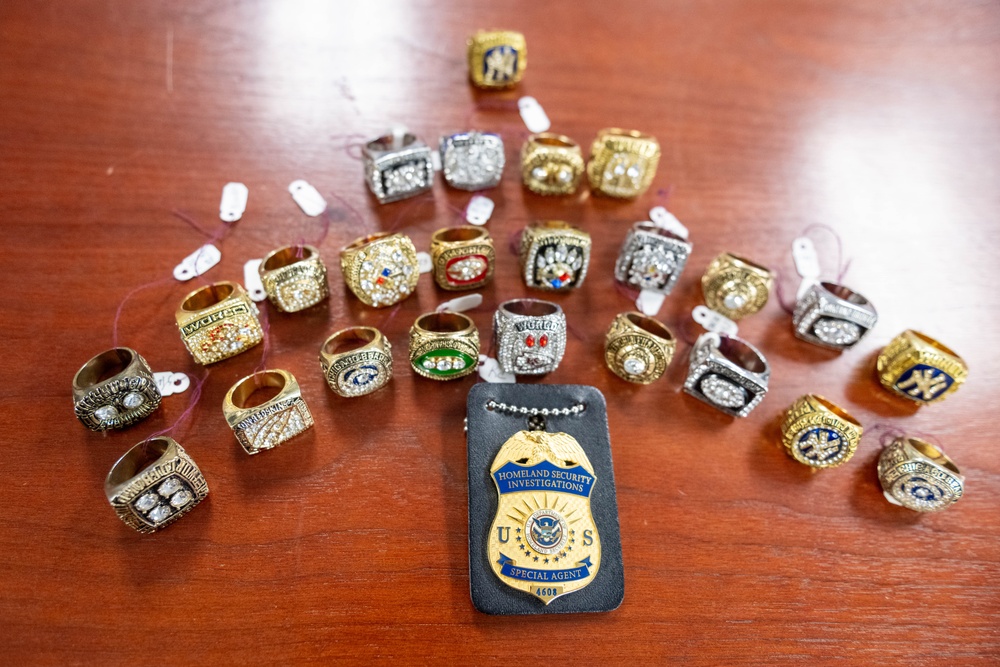
On Nov. 5, U.S. Customs and Border Protection said officers at George Bush Intercontinental Airport in Houston seized 75 counterfeit Kansas City Chiefs Super Bowl championship rings.
A parcel declared as hair pins
The parcel arrived Oct. 30 from Guangzhou, China, and was manifested as "Hair Pins Metal." CBP's Trade Enforcement Team detained the shipment after officers flagged the craftsmanship and requested verification from the NFL, the trademark holder. The NFL confirmed the rings were fake, as FOX 4 Houston reported.
What the $750,000 figure means
CBP said authentic versions would have carried a combined manufacturer's suggested retail price of at least $750,000. That number is a hypothetical comparison to genuine rings. It is not the value of the counterfeit goods that were seized.
Why fake championship rings matter
Championship rings carry a team's marks and a season's history. Counterfeits trade on that identity without permission, take sales from the licensed manufacturers who make authorized replicas and fan pieces, and leave collectors exposed to paying real money for jewelry with no provenance. The Houston Chronicle also reported on the seizure.
For buyers, the practical rule is simple: buy championship and fan jewelry from the trademark holder or its authorized retailers, and treat unusually low prices and vague sellers as warning signs.