Walk through any diamond district office right now and you will hear the same conversation on repeat. Natural diamond prices are soft, buyers are asking harder questions, and lab grown stones keep taking up more of the case.
This is not a rumor started online. It is the plain reality of a market that expanded fast, priced aggressively and then met a competing product that costs a fraction to produce.
What actually changed
For decades the natural diamond trade controlled both supply and story. Rough moved through a small number of hands, retail prices held, and consumers were taught that a diamond was a diamond. Lab grown production broke that arrangement. Growing capacity scaled quickly, wholesale costs collapsed, and retailers discovered they could offer a larger, cleaner looking stone at a lower ticket.
The result is pressure in two directions at once. Natural rough has softened while the finished lab grown market keeps cutting its own prices, which trains shoppers to expect more carat for less money every year.
Why the industry keeps fighting about words
Much of the public argument is really about vocabulary. Trade bodies such as CIBJO and the trade press that gathers around JCK have spent years pushing for disclosure standards, clear terminology and consistent labeling so that a lab grown stone is never sold or resold as a mined one.
That matters more than it sounds. Once a stone leaves the counter without paperwork, the next person to handle it inherits the ambiguity. Every jeweler I know has taken in a repair or a trade where nobody could say with confidence what was in the mounting.
What I see at the bench
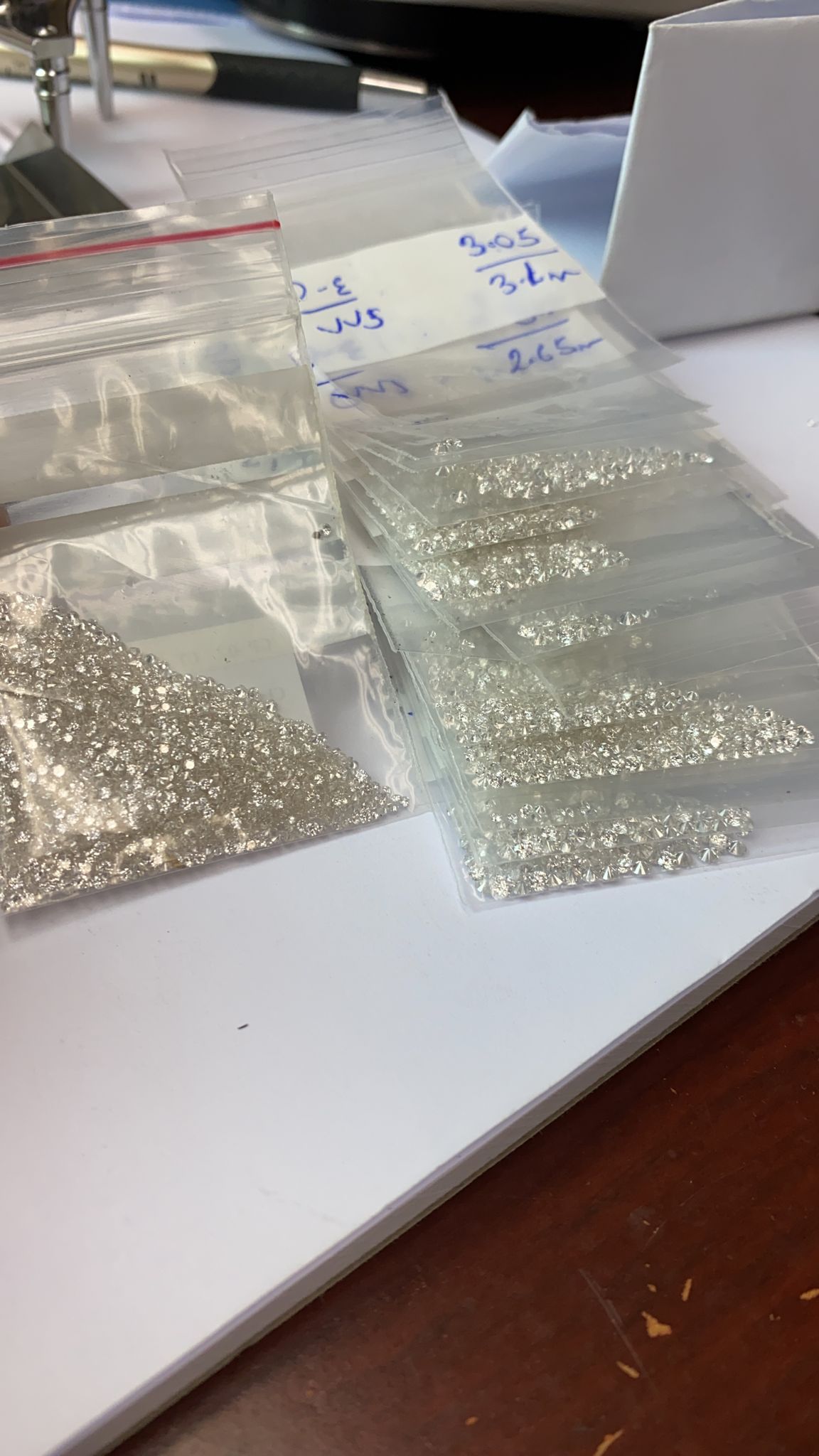
I buy natural goods in parcels. Small stones sorted by size, color and clarity, priced per carat, checked one by one before they go into a setting. When the market softens, that shows up in my paperwork before it shows up in a headline.
Soft pricing is not automatically good news for a buyer. Weak markets also invite mixed parcels, thin disclosure and stones that grade differently than the packet claims. When prices fall fast, verification gets more important, not less.
What this means if you are buying
First, decide what you are buying and why. A lab grown stone is a real diamond in a material sense, and for a fashion piece where size drives the look, it can be the smarter purchase. A natural stone is a different proposition, priced on rarity rather than production cost, and it should be documented like it.
Second, ask for the report. IGI, GIA or another respected lab, in writing, tied to the stone in front of you.
Third, ignore resale promises. Neither category is an investment plan. Buy the piece because you want to wear it.
Where this goes next
The natural side is responding with tighter supply, marketing that leans on origin and rarity, and louder calls for enforcement on disclosure. The lab grown side is competing on size, price and speed. Both categories will keep existing, and the honest jewelers in the middle will keep doing the same job they always did, which is telling you exactly what you are holding.
That is the standard I hold at my bench, and it is the standard buyers should demand everywhere else.